


Progress on Public Lands: BLM 2025 Trump Administration Accomplishments | January 20 - December 31, 2025
Under President Donald Trump’s historic second term, the U.S. Department of the Interior’s Bureau of Land Management is making major strides in putting America’s public lands to work for the American people. From boosting domestic energy production to cutting red tape and expanding access to natural resources, the BLM is ensuring that public lands support jobs, economic growth, and American Energy Dominance. Here’s a look at what the BLM accomplished in just the first year.
Policy – The BLM ended preferential treatment for wind and solar energy; implemented the One Big Beautiful Bill Act to boost U.S. energy production, timber development, and regulatory reforms; updated sage grouse plan amendments to balance habitat stewardship with expanded access for energy and mining development; advanced efforts to restore sensible multiple-use management by proposing to rescind the Public Lands Rule; and adopted 80 categorical exclusions from other agencies to streamline management of minerals, realty, forests, fire, wild horses and burros, recreation, wildlife, resource protection, and address emergencies.

Deregulation – To reduce red tape, promote mineral development, and support American energy independence, the BLM rolled back outdated rules that made it harder to develop resources on public lands. These changes helped cut costs, speed up permitting, and encourage job growth in energy, mining, and timber. By simplifying regulations, the bureau made it easier for businesses to operate while still protecting public lands.
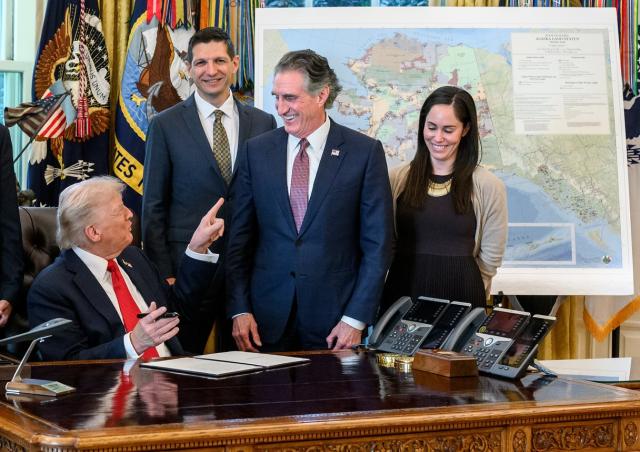
Alaska – The BLM manages more than 70 million acres in Alaska with abundant and largely untapped resources. In March, the bureau began implementing Presidential and Secretarial orders to unleash Alaska’s extraordinary resource potential by pursuing steps to expand opportunities for exploration and development. In July, the bureau conveyed nearly 28,000 public acres to NANA Regional Corporation, bringing NANA’s total Alaska Native Claims Settlement Act entitlement to over 713,000 acres—now 96% complete. In October, the BLM supported DOI’s reopening of 1.56 million acres of the Coastal Plain of the Arctic National Wildlife Refuge to oil and gas leasing; sought nominations for the first sale to be held in Alaska’s National Petroleum Reserve since 2019, one of five by 2035 directed in the One Big Beautiful Bill Act; reissued the necessary right of way permits for the Ambler Road project and conveyed nearly 23,600 acres to the State of Alaska; and issued 11 Certificates of Allotment under the Alaska Native Vietnam-era Veterans Land Allotment Program, awarding 160 acres each to 11 deserving Alaska Native veterans of the Vietnam War or their heirs. In November, the BLM issued a final rule rescinding the 2024 rule governing Alaska’s 23-million-acre National Petroleum Reserve to restore common-sense management and ensure responsible development that benefits both Alaska and the nation. In December, the bureau approved an updated Integrated Activity Plan that reopened nearly 82% of Alaska’s National Petroleum Reserve to oil and gas leasing.
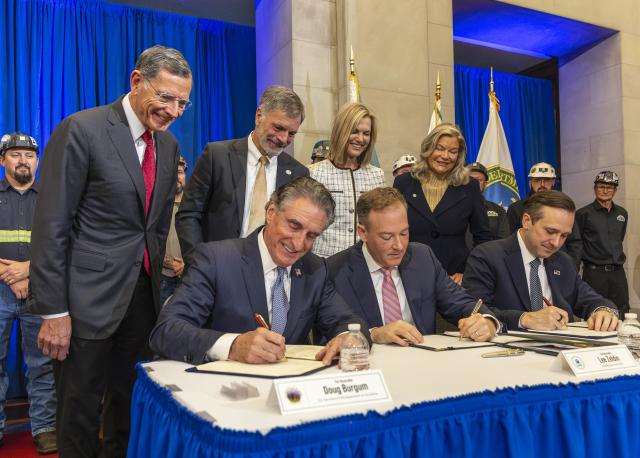
Coal – The BLM administers coal leasing across 570 million acres of public lands which currently includes 273 federal coal leases encompassing 404,847 acres in 11 states. In September, the bureau opened 13.1 million more acres of federal land for coal leasing, tripling benchmarks set by the One Big Beautiful Bill Act and delivering on President Trump’s directive to restore American Energy Dominance. Between Jan. 20 – Dec. 31, 2025, the BLM generated over $47 million during four sales offering 82.4 million tons of available federal coal across 15,920 acres at Freedom and Falkirk mines in North Dakota and two Warrior Met mines in Alabama; advanced coal lease sales offering a total of nearly 609 million tons of federal coal across 4,882 acres in Montana, Utah, and Wyoming; is considering potential updates to coal leasing in Montana and Wyoming’s Powder River Basin; announced the West Antelope III coal lease sale for 365 million tons of recoverable federal coal across 3,508 acres in Wyoming; proposed the bureau’s first coal exploration project nationally since 2019 at Muddy Creek Canyon in Utah; increased economic viability at five mines by approving royalty rate reductions in Colorado, North Dakota, Utah, and Wyoming; and rescinded the 2016 coal leasing moratorium; all in support of Secretary Doug Burgum’s efforts to restore the coal industry and President Trump’s executive orders to strengthen U.S. energy production and reinvigorate the coal industry.
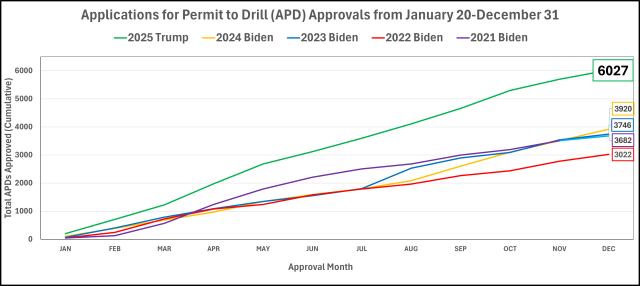
Oil and Gas – Under President Trump, Secretary Burgum’s Department of Interior has approved 63.7 percent more Federal and Indian drilling permits compared to his predecessor over the same period at this point in their presidencies. The BLM approved 6,027 new oil and gas permits and has approved more Applications for Permits to Drill than in any other year over the past 15 years. President Biden held no oil and gas lease sales during 2021, his first year in office. Under President Trump, the BLM held 22 lease sales within 2025. Currently, there are more than 21.3 million acres of BLM-managed lands under lease for oil and gas development and production, Between Jan. 20 – Dec. 31, 2025, the bureau held 22 lease sales and generated over $356.6 million (more revenue than in all four years of the Biden administration combined!) by leasing 369 parcels totaling 328,000 acres across 10 states (Colorado, Louisiana, Michigan, Mississippi, Montana, North Dakota, Nevada, New Mexico, Utah, and Wyoming). The bureau also ended the requirement to prepare environmental impact statements for approximately 3,224 oil and gas leases across 3.5 million acres in seven Western states; streamlined the oil and gas leasing process on public lands; and updated rules for commingling, or combining oil or gas from multiple sources for more efficient measurement and processing, to align with the One Big Beautiful Bill Act. In October, the BLM issued a new record of decision reopening 1.56 million acres of the Alaska Coastal Plain to oil and gas leasing—reversing the Biden administration’s 2024 plan that restricted development to the statutory minimum. In November and December, the BLM rescinded the 2024 Biden rule governing the National Petroleum Reserve in Alaska and approved an updated Integrated Activity Plan that reopened nearly 82% of the 23-million-acre reserve to oil and gas leasing. In Wyoming, the BLM approved the Dry Piney helium project which is expected to produce more than 800 million cubic feet of bulk liquid helium annually.
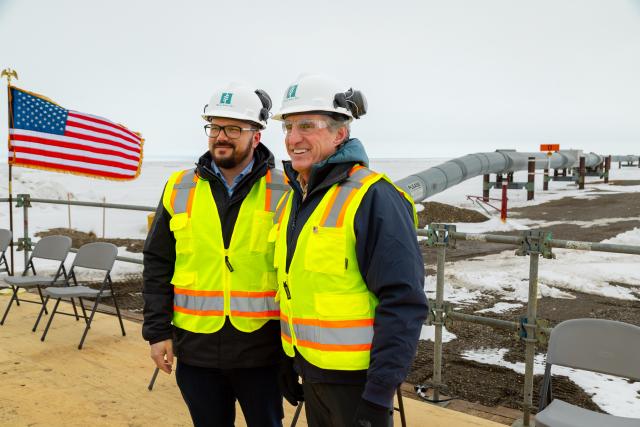
Pipelines – In Montana, the BLM approved the 74-mile, 16-inch buried Helena to Three Forks natural gas pipeline. In Nevada, the bureau approved the 16-mile, 24-inch buried Pinyon Pipeline and associated facilities connecting the Ruby Pipeline to the Valmy Power Plant. In Idaho, the BLM approved the relocation and burial of a 1,500 foot, 6-inch natural gas pipeline beneath the Snake River near American Falls to meet increased industrial demand. In Utah, the bureau approved two, less than 1 mile, 12-inch surface Randlett to Aurora interconnect natural gas pipelines connecting existing wells to the Timberline Compressor Station; the 3.5-mile, 12-inch buried Park Mountain natural gas pipeline connecting existing pipelines to the Park Canyon Compressor; and the less than 1 mile, 16-inch buried Chapita Wells natural gas pipeline, a six-inch liquids pipeline, and a fiber optic line from the planned Green River Slug Catcher Facility to the existing Chipeta Processing Plant.
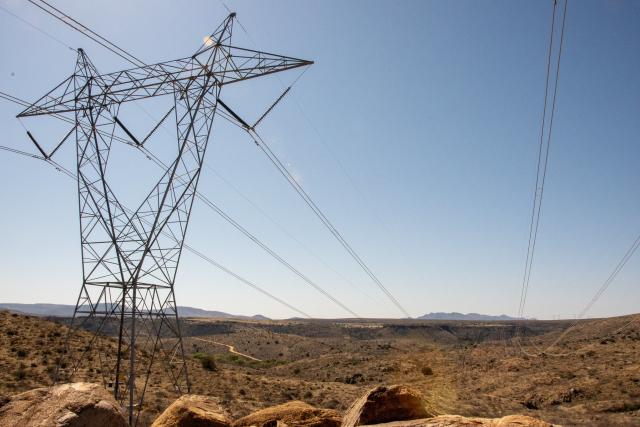
Transmission Lines – In California, the BLM approved the 40-acre, 230-kilovolt Sapphire gen-tie in Chuckwalla Valley to deliver up to 117 megawatts of energy daily. In Nevada, the bureau approved the 21-mile, 120-kilovolt New York Canyon gen-tie to deliver up to 20 megawatts of energy daily; a 30-year renewal of the 25-kilovolt Radar Hill distribution power line; expansion of the Robinson Summit substation by 50 acres and construction of a new 1.3-mile, 525-kilovolt single-circuit transmission line; and construction of a 13-mile, 120-kilovolt overhead line on private, county, and public lands, and other infrastructure connecting to the Lazy 5 substation. BLM Utah, BLM Nevada, and the U.S. Department of Agriculture’s U.S. Forest Service Ely Ranger District approved a 217-mile, 500 kilovolt Cross-Tie transmission line across private and public lands, including Humboldt-Toiyabe National Forest, to connect Ely, Nev., to Nephi, Utah.
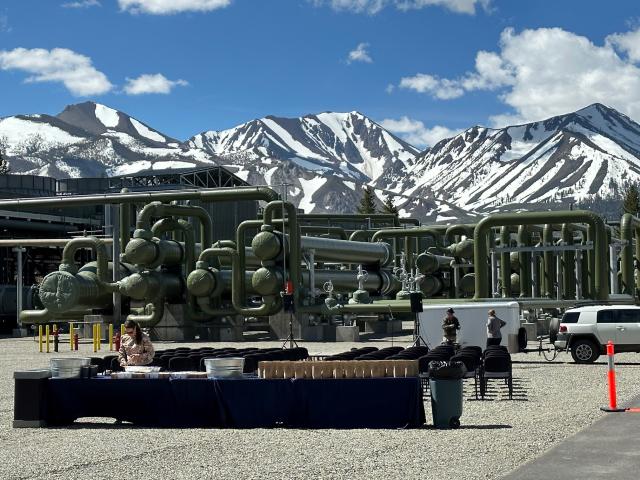
Geothermal – In October, the BLM held a record-breaking geothermal lease sale in Nevada, the largest ever by dollar amount, totaling nearly $9.5 million in revenue. Between Jan. 20 – Dec. 31, 2025, the bureau generated $24,014124 by leasing 141 parcels totaling 451,893 acres in California, Idaho, Nevada, Oregon, and Utah geothermal lease sales. The BLM also implemented emergency permitting procedures; approved the 30-megawatt Crescent Valley geothermal project in Nevada and 20-megawatt Newcastle geothermal project in Utah; and approved expedited permitting for the McGinness Hills upgrade and expansion, and the Diamond Flat and Pinto resource confirmation geothermal projects in Nevada. In December, the BLM released updated guidance requiring geothermal lease sales to be held at least once per year, rather than every two years, in order to promote increased production of steady baseload energy.
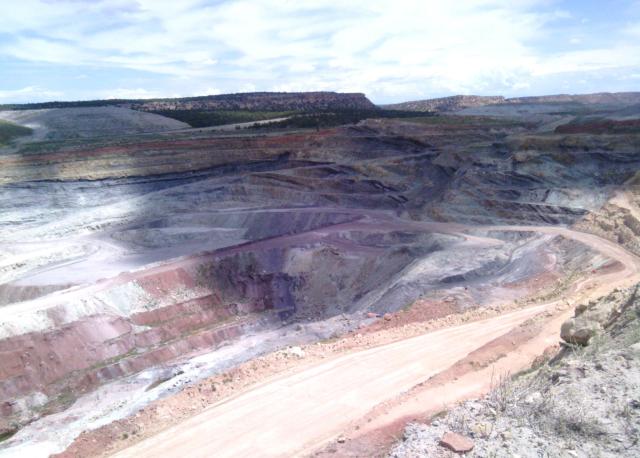
Minerals – The BLM advanced five of the Trump Administration’s first FAST-41 critical mineral production projects. In Arizona, the bureau approved gold mining at Rogers Wash and mineral exploration at Copper Creek. In California, the BLM approved expanded limestone mining facilities at Chubbuck Mine; the Mesa Gold mining operation in Kern County; clinoptilolite exploration near Death Valley Junction; and recognized that the Colosseum Mine, on National Park Service managed lands, America’s second rare earth elements mine, can continue operations. In Idaho, the bureau approved expansion of the PDZ and Teague zeolite mines and phosphate mining in Caldwell Canyon. In Missouri, the BLM approved 36 lease renewals for five active mines at Doe Run producing lead, zinc, and copper. In Montana, the bureau approved sapphire mining at McCune Bar near Hauser Lake. In Nevada, the BLM approved lithium exploration in Nye, Elko, and Esmeralda counties; gold mining at County Line, Gold Bar South, Ruby Hill, and Spring Valley; gold exploration at Mountain View, the Shoshone Range, Smoky Valley, and for Gemfield Resources and Kinross Gold to explore near Goldfield; expanded barite mining at Coyote Mine; expanded pozzolan exploration in Elko County; and expanded silicon exploration in Nye County. In Oregon, the BLM approved lithium exploration in Malheur County and gold mining in Baker County. In Utah, the bureau approved uranium and vanadium mining at Velvet-Wood; expanded copper mining at the FAST-41 project in Lisbon Valley; potash mining at Sevier Playa; and mining for quartzite landscaping stone at Green Beetle Quarry. In Wyoming, the BLM approved trona mining at Dry Creek and bentonite mining at Greasewood Creek. All in all, in 2025 the BLM greenlit 39 projects across the country, covering more than 218,000 federal acres. These minerals are critical to our economy and are used in energy production, industry, agriculture, and technology across America.
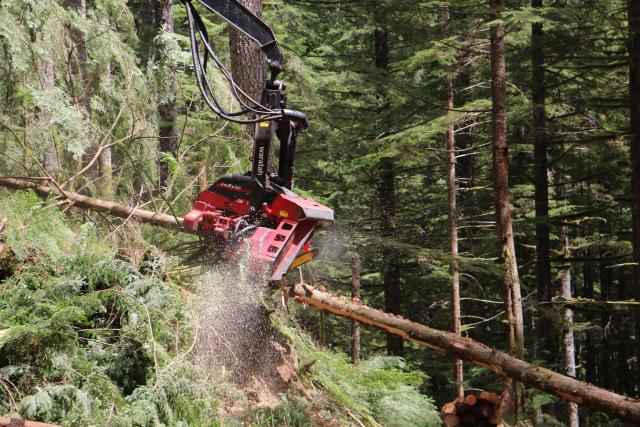
Timber – More than 20% of BLM-managed lands are forest and woodland ecosystems, including 2.4 million acres in western Oregon of some of the most productive forests in the world. Between Jan. 20 – Dec. 31, 2025, the BLM held 53 sales offering 259.4 million board feet of timber across 15,400 public acres in Colorado, Idaho, Montana, Oregon, Washington, and Wyoming. These advertised timber sales generated a total of $64,604,364; which was $11,856,370 above the cumulative appraised values. The bureau is developing plans for additional timber sales to meet volume target increases of the One Big Beautiful Bill Act. The BLM also helped families save money, enjoy public lands, and support wildfire prevention by opening new cutting areas in overstocked woodlands, and reduced firewood and Christmas tree permit fees through Jan. 31, 2026, to only $1 per tree or cord.
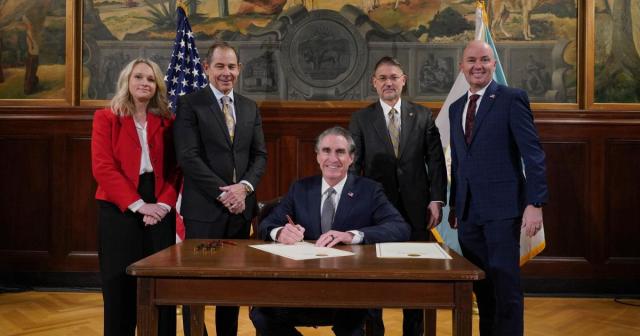
Land Sales/Conveyances/Transfers – In Colorado, the BLM sold 31 public acres to Clifton County at fair market value under the Clifton Opportunities Now for Vibrant Economic Yields Act. In Nevada, the bureau sold eight parcels totaling about 42 acres in the Las Vegas Valley for $16,575,000 ($1,240,000 above fair market value) under SNPLMA and approved the future sale of 5,500 acres in Lincoln County. In Utah, Secretary of the Interior Doug Burgum joined state leaders to finalize the Emery County Land Exchange under the Dingell Act to transfer 47 water rights, 83,000 acres of sub-surface mineral estate, 4,000 surface-only acres, and 5,000 acres of mineral, oil, gas, and coal-only estate from the BLM to the state. The bureau also exchanged 929 federal public acres for 89 state public acres in Washington County to support future water management and transferred 618 acres of small, isolated parcels within state parks to the State of Utah, consolidating ownership to improve visitor experience through more consistent management.

Securing the Border – As steward of 191 miles of the U.S.–Mexico border and 8.8 million acres of border-region public lands, the BLM plays a critical role in safeguarding communities, visitors, and irreplaceable resources. Bureau rangers and special agents work with other federal law enforcement professionals to patrol public lands along the border, including in Arizona where officers apprehended 48 individuals illegally present in the United States, arrested two U.S. citizens for illegal alien smuggling, conducted 37 traffic stops, seized four vehicles linked to smuggling, and seized 46.5 pounds of methamphetamine and 3 grams of cocaine. Also during 2025, the BLM protected resources along the U.S.-Mexico border through withdrawals and transferred the lands for three years to the U.S. military for security operations: in New Mexico, the bureau transferred 109,651 acres in April to the U.S. Army; in Arizona, the bureau transferred 285 acres in July and 203 acres in September to the U.S. Navy; and in California, the BLM transferred 760 acres in December to the U.S. Navy.
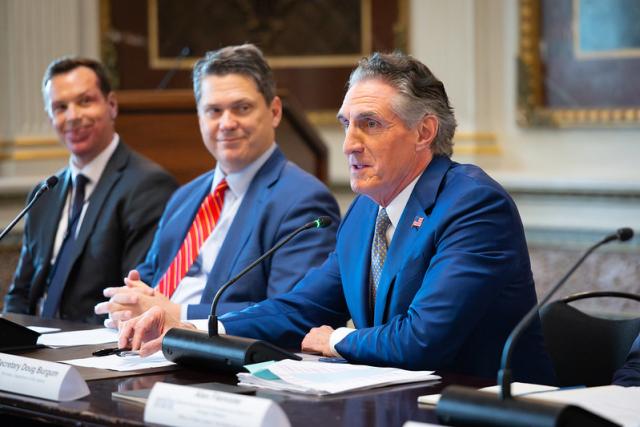
Recreation & Public Access – The BLM collaborated with the Foundation for America’s Public Lands to fund 10 recreation and access projects in Arizona, California, Colorado, Florida, Montana, New Mexico, Utah, and Wyoming totaling $1 million of direct investments and bringing in $4 million in matching funds from state recreation offices and similar partnerships. Projects include shooting ranges, campgrounds, trail heads, and accessibility improvements to enhance outdoor recreation for the American public. The bureau’s EXPLORE Act “core team” made significant progress implementing a number of requirements required by the law. The BLM’s special recreation online permitting system (RAPTOR) Phase I code development was completed and is now in testing with roll out of EXPLORE Act Title III permitting planned for early February 2026. In September, the bureau initiated a national recreational target shooting range inventory designed to meet the requirements of Section 123 of the EXPLORE Act, with plans to make the inventory public in early 2026. Throughout the fall, BLM collaborated with seven other federal public lands and waters recreation agencies to unify recreation visitation data collection and sharing with the public. For the first time ever, federal agencies will report recreation visits in the same format greatly increasing public access to recreation data. Publication of this unified data is expected in early 2026.
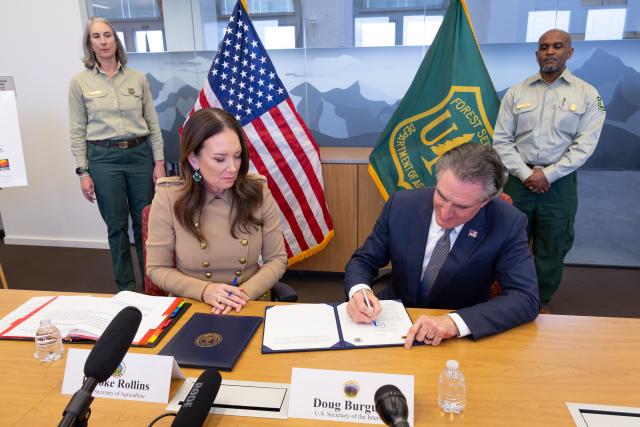
Fire – As DOI’s largest and most complex fire program, BLM Fire is responsible for fire protection on approximately 650 million acres. The BLM treated over 1.2 million acres in 2025 to reduce wildfire risk on America's public lands. Working alongside partners and in local communities, bureau firefighters tackle treatment projects using chemical, biological, manual, and mechanical methods, along with prescribed fire.
DOI and the Department of Agriculture announced on September 15, 2025, a coordinated effort to implement President Donald J. Trump’s Executive Order 14308, Empowering Commonsense Wildfire Prevention and Response. The announcement introduced the U.S. Wildland Fire Service to modernize wildfire management nationwide by consolidating federal wildland fire programs for the most efficient and effective use of wildland fire offices, coordinating bodies, programs, budgets, procurement processes, and research. Implementation is being coordinated across DOI Fire bureaus, with a transition toward one unified and elevated fire organization under the department planned for early 2026.
The BLM remains committed to delivering results that streamline processes, expand access, and ensures America’s public lands continue to serve the nation’s energy, economic, and strategic needs. With more work ahead, the BLM stands ready to continue implementing President Trump and Secretary Burgum’s multiple use agenda by managing public lands in a way that supports prosperity and security.
Related Stories
- September Lease Sale Energizes BLM’s Mission and Our Teams
- A Familiar Stretch of the Green River, a New Step for Seedskadee Lands
- BLM Showcases Local Recreation Treasures Ahead of National Hunting and Fishing Day
- Plugging the Past Bodes Wells for Future Development
- Healing Hooves: How a Once‑Wild Burro is Bringing Joy Across Pennsylvania and Competing Nationally