


Camping on Public Lands
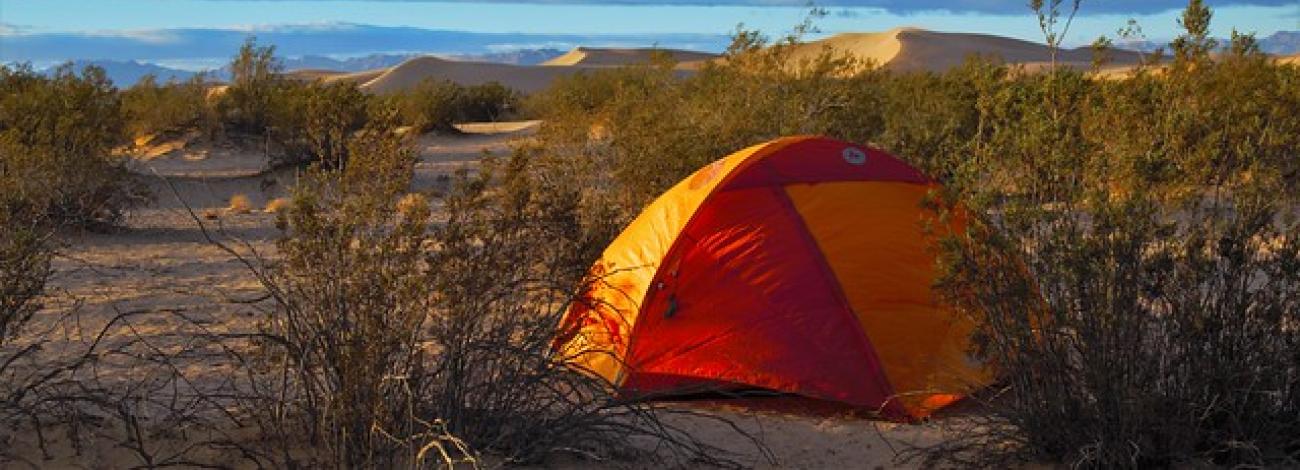
The BLM not only manages developed campgrounds but also offers dispersed camping and permitted Long-Term Visitor Areas.
Developed Campgrounds
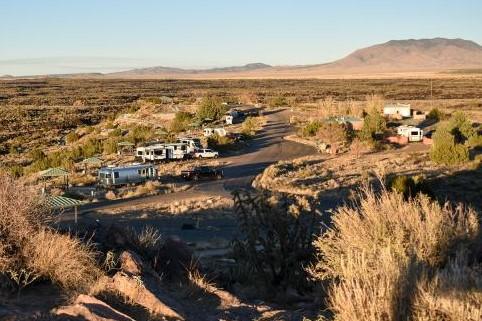
The BLM manages many developed campgrounds. Some include amenities such as restrooms, potable water, picnic tables, fire rings, garbage receptacles, tent pads, electrical hookups, or group shelters, while others are very primitive. Check the campground’s webpage or contact the local field office before your trip.
Permits, Fees, and Limitations
- Some BLM campgrounds charge a fee, which helps maintain facilities and visitor services. Campsite selection is typically first‑come, first‑served, although some locations accept reservations through recreation.gov. Always follow posted rules and keep the following in mind:
- Fees and stay limits differ by campground; many areas limit camping to about 14 days within a 28‑day period.
- Pay the required fee within 30 minutes of occupying a site. A campsite is considered rented only when the fee is paid, the stub is properly displayed, and the site is occupied.
- Do not leave personal property unattended for more than 72 hours (or as posted at the site).
- Some campgrounds are open only seasonally due to weather—confirm operating dates before traveling.
Dispersed Camping
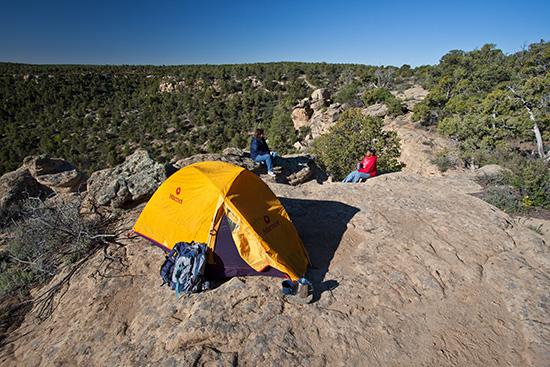
Camping on public lands away from developed recreation facilities is called dispersed camping. Most BLM lands allow dispersed camping unless an area is posted “Closed to Camping” or has specific restrictions for land use or conservation.
Core Rules
Rules can vary by state or local area, so always comply with posted signs and verify specifics with your local BLM office. See Code of Federal Regulations Part 8360 - Visitor Services for details.
- Stay Limit: Dispersed camping is generally limited to 14 days within any 28‑day period, though specific stay limits vary by state and field office. After reaching the stay limit, visitors must move to a new location — often at least 25 to 30 miles away. Check with your local BLM office for area‑specific rules.
- Recreational Use Only: Dispersed camping is for short-term recreation, not long-term living. (Rare exception: designated Long-Term Visitor Areas.)
- Stay on Designated Roads: Vehicles must stay on designated roads and trails unless the area is specifically designated for off-road vehicle use.
- Unattended Property: Don’t leave personal property for more than 10 days (some states, such as Idaho and Alaska, have different limits - check with your local BLM office).
- Permits: Most areas don’t require permits or reservations. Some regions may require permits for large groups or campfires (for example, California Campfire Permit).
- Fire Safety: Fire restrictions can vary throughout the year, so check current regulations before you go and follow posted guidance. Make sure fires are completely out before leaving.
Best Practices (Recommendations)
See Recreation: Outdoor Ethics for details.
- Use Existing Sites: Camp in spots that are already disturbed to protect plants and soil.
- Camp Near Roads: Camp within 150 feet of designated routes; avoid creating new tracks.
- Keep Your Distance from Water: Stay at least 200 feet from lakes, rivers, and streams to protect water quality.
- Avoid Developed Areas: Don’t camp within 1 mile of campgrounds, trailheads, or picnic areas.
- Pack It In, Pack It Out: Take all trash and belongings with you.
- Human Waste: If possible, use a portable toilet or pack out your waste. In some locations bury waste 6–8 inches deep, at least 200 feet from water and trails.
- Fire Etiquette: Use existing fire rings or a fire pan to reduce safety risks and human impacts.
Long-Term Visitor Areas (LTVAs)
The BLM also manages Long-Term Visitor Areas in California and Arizona, where winter visitors may camp up to seven consecutive months with a permit. Locations include Hot Spring, Tamarisk, Pilot Knob, Mule Mountain, Midland, La Posa, and Imperial Dam Long-Term Visitor Areas. Learn more about long-term camping on public lands, and contact the BLM's Yuma, El Centro, or Palm Springs-South Coast field offices for more information.