


Biking
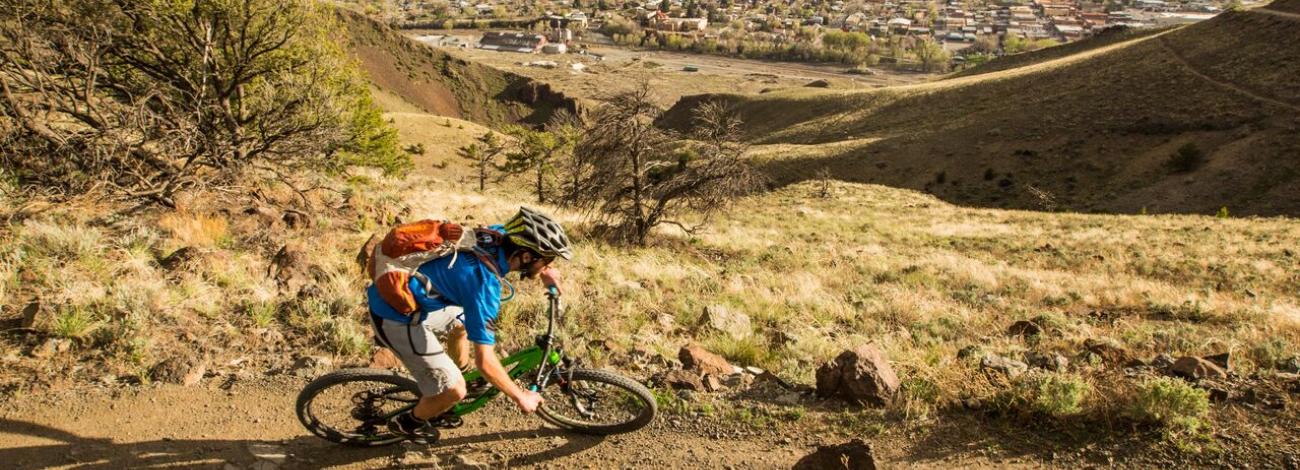
Biking on BLM-managed public lands is one of the best ways to explore America’s wide‑open spaces. Whether you’re cruising along smooth desert paths, winding through forested trails, or pushing up rugged mountain routes, there’s a place for every kind of rider.
Public lands offer something special: freedom. Whether you have an e-bike or a mountain bike, you can ride for miles with big skies overhead and incredible views all around you. Many trails let you experience nature up close—no cars, no crowds, just the sound of your tires on the trail.
Biking is also a great way to stay active. It’s fun, healthy, and perfect for friends and families looking to spend time outside. Plus, when you ride on public lands, you’re supporting local communities that depend on outdoor recreation.
So, grab your helmet, fill your water bottle, and head out to explore. Whether you want a challenging long‑distance route or an easy afternoon ride, BLM public lands are ready for your next adventure.
Trail Etiquette
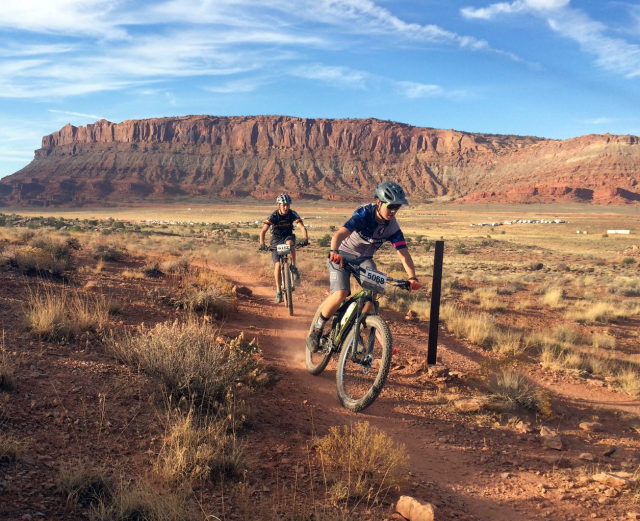
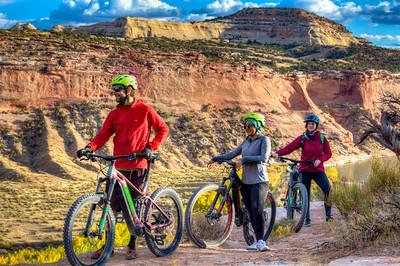
Trail etiquette is the same for both e-bikes and mountain bikes. Trail etiquette practices are based on a general concept of consideration of other trail users, and protection of the trail and surrounding natural resources. Key concepts include:
Biking on Long-Distance Trails (BOLT)
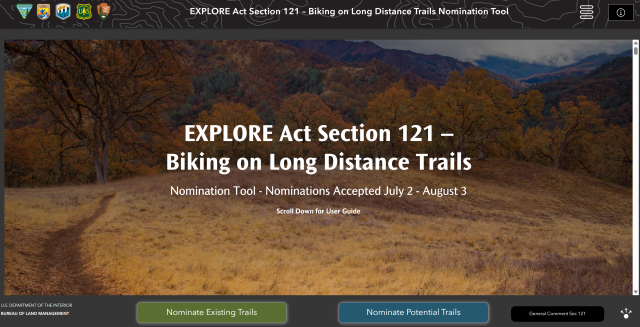
EXPLORE Act Section 121, Biking on Long-Distance Trails, requires identification of no fewer than 10 long-distance biking trails and no fewer than 10 future trails/areas across public lands managed by Departments of the Interior (DOI) and Agriculture (USDA). These trails must be at least 80 miles long with a majority of the trail being on public lands administered by the Bureau of Land Management, Fish and Wildlife Service, National Park Service, Bureau of Reclamation, and the USDA Forest Service.
The project will begin with an opportunity for the public and agency staff to nominate existing and potential trails. Following the close of the trail nomination period, agency officials will consider nominations, apply trail selection criteria and other resource considerations, and identify no fewer than 10 existing trails and no fewer than 10 potential trails/areas for final selection.
Following trail selection, agencies will release a report including trail identification, implementation plans if available, and a summary of comments gathered through this nomination process.
Following release of the report the agencies will implement trail decisions, including but not limited to publishing maps, installing signage, issuing promotional materials, and coordinating with stakeholders to leverage resources necessary for the stewardship, development, or completion of the selected long-distance biking trails.
Recognition as a Biking on Long-Distance Trail does not in and of itself change federal policy, land use designations, or authorize any new on-the-ground activity or disturbances. Any new trails or related facility construction will require site-specific National Environmental Policy Act consideration.
Learn more about the BOLT process