


BLM Eastern States showcases wild horses at Dixie National Parade
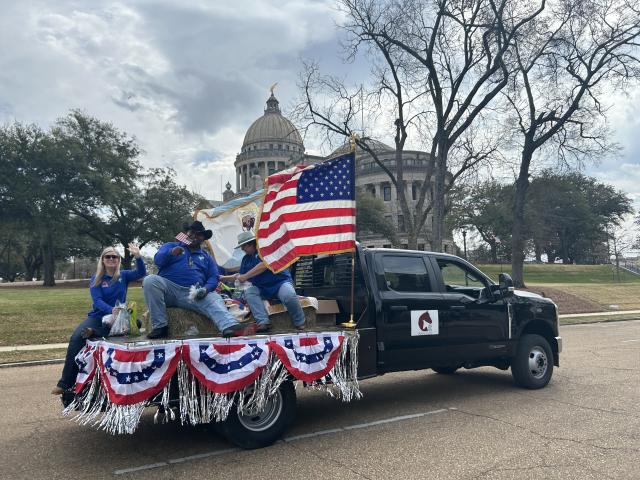
The streets of downtown Jackson came alive on February 14, 2026, as thousands gathered for the 61st annual Dixie National Parade, a signature event of the Dixie National Livestock Show and Rodeo. This year’s theme, “For Love of Country,” celebrated American heritage and honored the upcoming 250th anniversary of the Declaration of Independence. Among the standout participants was our own Bureau of Land Management’s (BLM) Southeastern States District Office (SSDO), proudly representing its Wild Horse and Burro (WHB) Program. Their presence highlighted our commitment to preserving America’s iconic wild equines and educating the public about adoption opportunities.
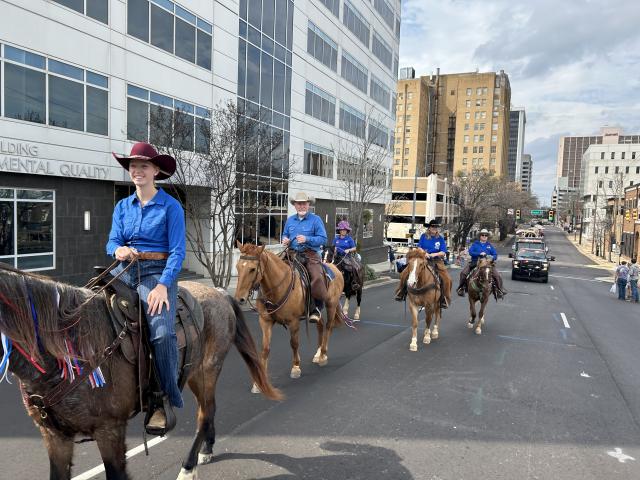
The parade route wound through Mississippi’s capital city, beginning at Mississippi and Jefferson streets, circling the State Capitol, and concluding at the Mississippi State Fairgrounds. Spectators lined the streets to enjoy a vibrant procession featuring marching bands, rodeo queens, decorative floats, car and tractor clubs, and the iconic Dixie National Wagon Train.
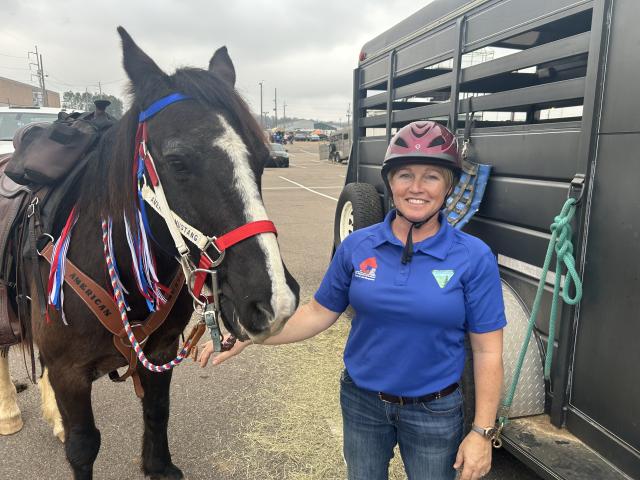
The WHB team made a memorable impression by riding horses -- all wild mustangs now trained to ride -- along the parade route, offering spectators an up-close look at the beauty and versatility of these animals.
“The horses did great. Probably not tops their list of places they want to go but they tolerated everything well,” said Megan Velasquez, a WHB Specialist with BLM Southeastern States.
This hands-on participation underscored the program’s mission: finding good homes for wild horses and burros gathered from public lands, while promoting responsible stewardship. Accompanying the riders was a decorated government truck adorned with WHB branding and adoption messaging, serving as a mobile billboard to promote adoption opportunities. The colorful display aimed to spark conversations among parade-goers about how they can adopt and care for these remarkable animals.
More than a celebration, this event was an opportunity for the BLM to connect with the public in meaningful ways.
“There were probably 2,000 people in attendance and a bunch of folks, maybe over 100, recognized us,” said Hunter Paffrath, a WHB Specialist with BLM Eastern States.
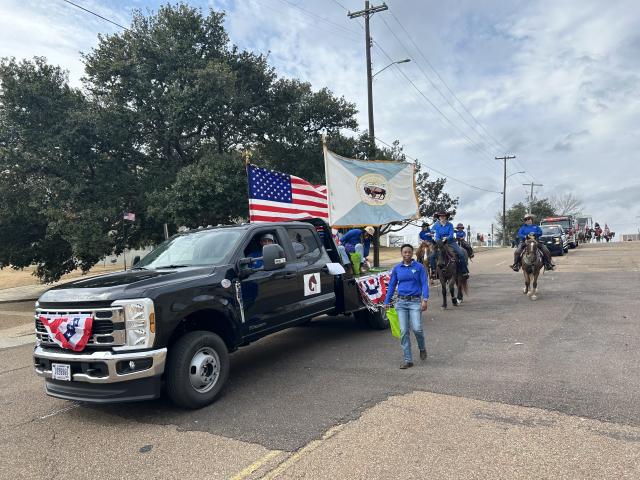
By engaging with attendees, the SSDO WHB team reinforced its commitment to engaging communities and promoting the adoption of America’s wild horses and burros. Through events like this, BLM continues to tell the story of these iconic animals and the importance of preserving their legacy for future generations.
BLM’s presence at the Dixie National Parade also highlighted that the agency’s critical work touches not just western rangelands where wild horses and burros are found, but diverse communities across the East where BLM offices are found.
Related Stories
- BLM recruits future workforce at Missouri University of Science and Technology career fair
- September Lease Sale Energizes BLM’s Mission and Our Teams
- Postcards Become Monthly Creative Tradition at Red Rock Canyon National Conservation Area in Nevada
- BLM Brings Public Lands to Life at Scouting America’s 2026 National Jamboree
- Ignite by 4‑H: BLM Eastern States Connects Youth to Public Lands
Office
273 Market Street
Flowood, MS 39232
United States