


Placing Wild Horses and Burros East of the Mississippi, Supporting Healthy Herds and Public Lands in the West
Every year from February to July, some 20 wild horse and burro adoption events are held in states east of the Mississippi, more than one-third of all adoptions taking place there nationally. The two recent events in Missouri and Mississippi below are perfect examples of the hard work, commitment, and creativity BLM staff bring to connecting wild horses and burros with new homes – and to telling the story of why that work matters.
For these events and others, a monumental amount of behind-the-scenes work, coordination and outreach is required, not only on behalf of the unprecedented success in placing wild horses and burros, but also in leveraging every opportunity to tell our story.
From logistics and planning to public engagement and outreach, each adoption event represents a massive effort by dedicated staff across the bureau.
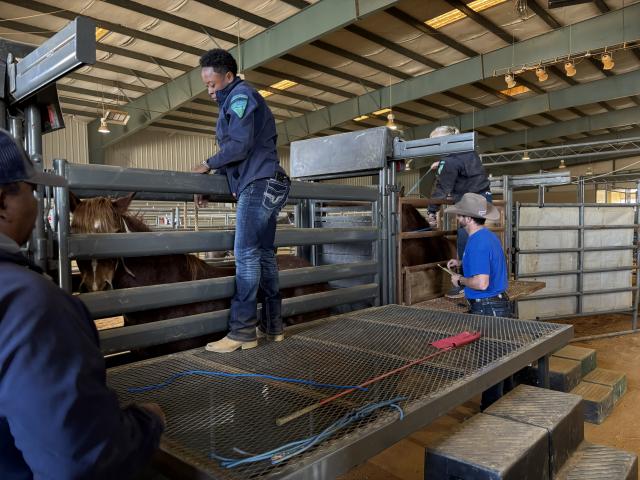
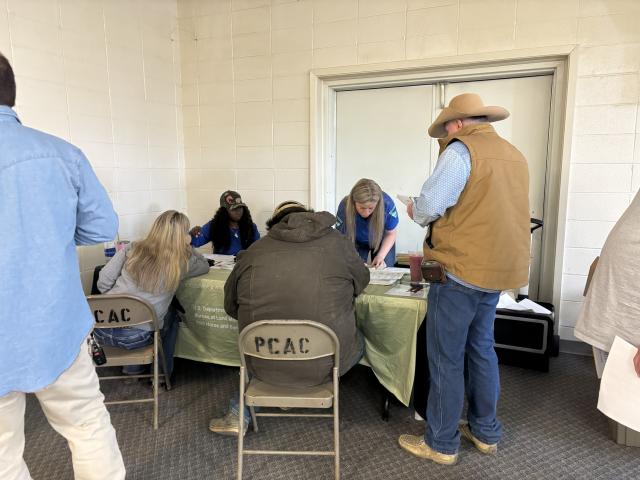
For every adoption event, locations must be secured, hundreds of wild horses and burros must be transported across the country, local communities and stakeholder groups must be notified, and ads must be placed. BLM staff plan and oversee every detail, from daily feeding, sorting and loading of animals, to preparing paperwork, answering questions and talking to reporters. All of this is undertaken in an environment where understaffing is a daily reality.
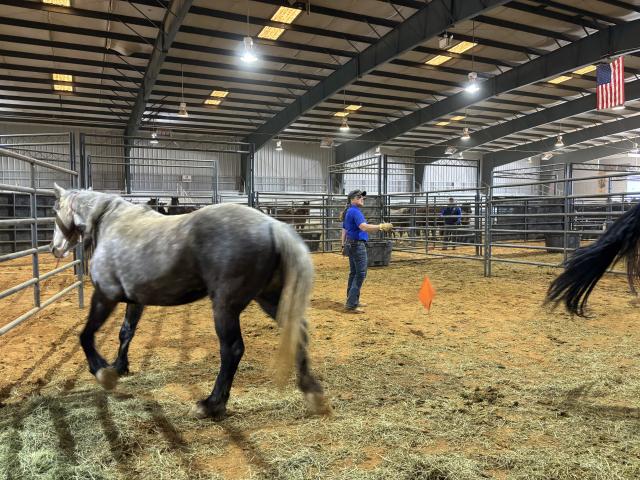
“I have been deeply impressed by the wild horse and burro teams working on these adoption events,” said Mitch Leverette, BLM Eastern States State Director. “Planning and executing events that are placing record numbers of animals while directly engaging the public on our work doesn’t happen without dedication, flexibility and collaboration across Eastern States and the entire bureau.”
Adopting Horses and Burros in Missouri
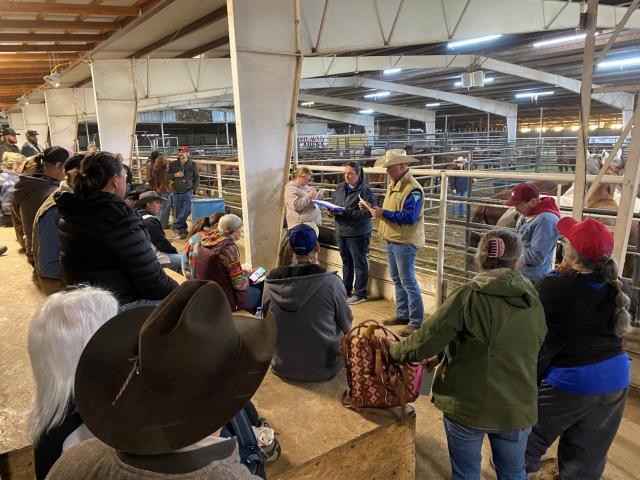
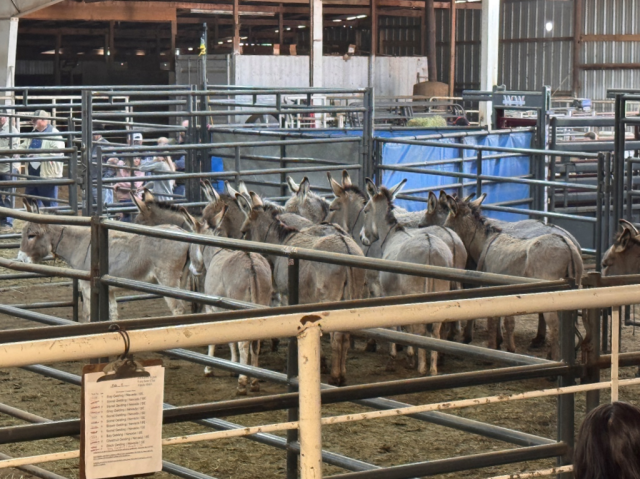
On a recent sunny Tuesday, staff from the BLM’s Wild Horse and Burro Program assembled on a ranch outside Carthage, Missouri to construct a temporary corral and prepare 145 wild horses and burros for placement. By midday Friday, all 145 had been adopted. This was an unprecedented outcome for the district, with many adopters citing the team’s expanded outreach as how they learned about the event.
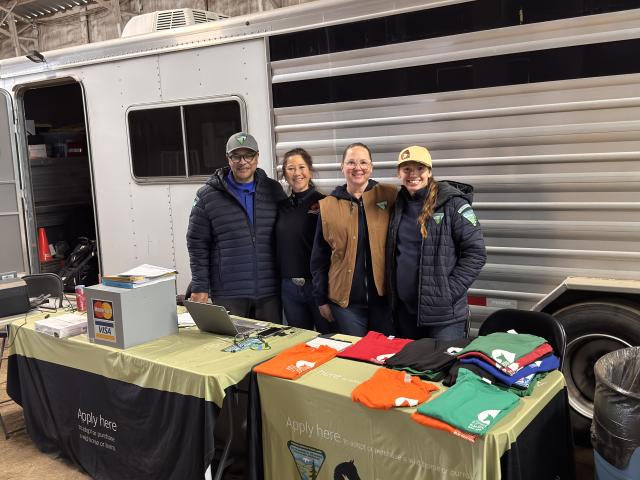
Historically, the district places 60–70 animals at its annual Missouri event. This year, the team developed a more intentional and ambitious marketing strategy, advertising on regional radio, using social media, and proactively pitching stories to local reporters.
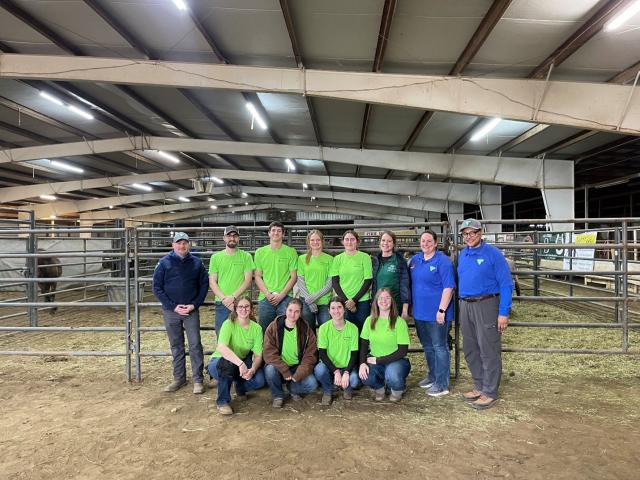
Volunteerism and interdisciplinary outreach are also playing an increasingly important role. The Northeastern States District Office has begun developing partnerships with equine academic programs across the region. This is providing students hands-on experience working with wild horses and burros, and inspiring future careers in public service.
Booneville Adoption Event and Mustang Ambassador
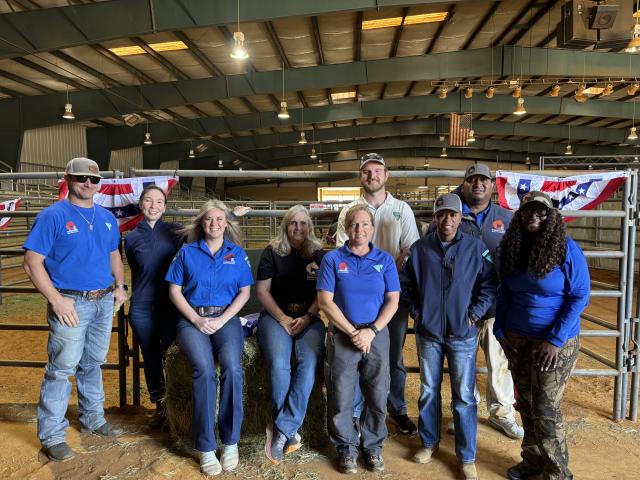
One week later, the Southeastern States District Office welcomed 144 horses and burros to the Prentiss County Agri‑Center in Booneville, Mississippi. The team conducted similar outreach – engaging local organizations, advertising in regional media and pitching stories to reporters, with all animals adopted early in the morning on both days.
Among the visitors was Ink, the 18-year-old mustang of Wild Horse and Burro Compliance Specialist, Megan Velasquez, adopted in 2011. Ink served as a living testament to the adoption program, becoming an unofficial mascot for the weekend by greeting families, posing for photos and demonstrating what time, patience, and love can mean for a horse and its owners.
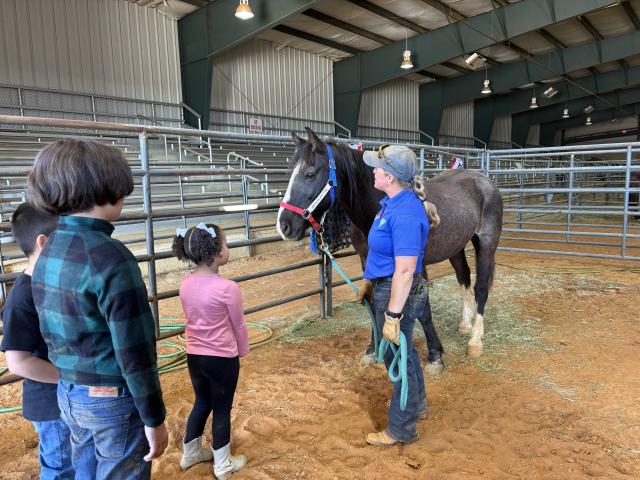
One family traveled from Memphis specifically to meet mustangs like Ink, and the gentle black gelding quickly made an impression, showing the deep bonds these animals can form when given a chance.
Related Stories
- Celebrating National Public Lands Day across the High Desert District in Wyoming
- One Mile Closer
- Fossils, furs and a few sparks at Kemmerer Outdoor Discovery Day
- BLM recruits future workforce at Missouri University of Science and Technology career fair
- BLM National Public Lands Day tradition continues in Roswell, New Mexico
Office
5275 Leesburg Pike
Falls Church, VA 22041
United States