


Explore, learn, connect: BLM sparks connection for the public with the lands they love through expert-led, engaging events
The Bureau of Land Management (BLM) hosted a series of dynamic and engaging Earth Day events last month in Kanab, Utah, offering a series of interactive outdoor experiences designed to help the public connect with their public lands in meaningful ways. With support from BLM Arizona Vermilion Cliffs National Monument (VCNM) and Grand Canyon-Parashant National Monument employees, the Paria River District orchestrated a diverse lineup of activities that invited participants to explore, learn, and connect with public lands resources firsthand.
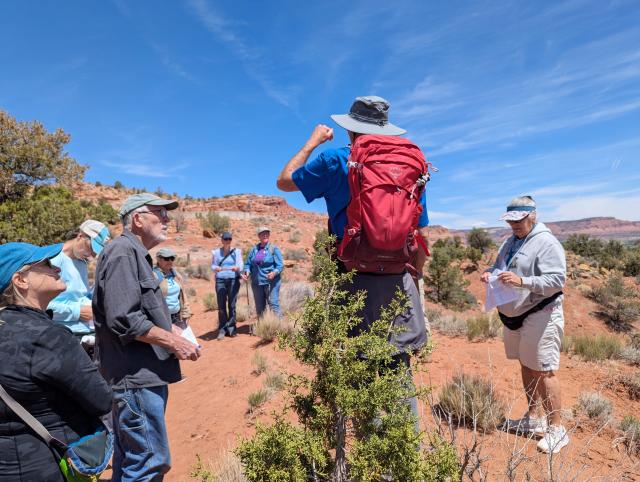
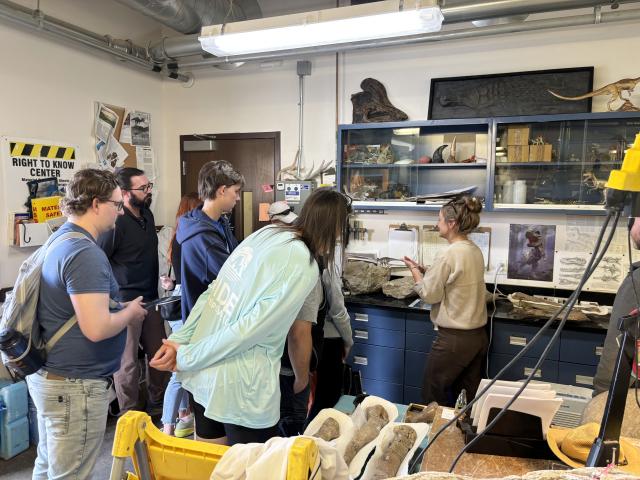
Community members were able to choose from a variety of guided experiences, including a botany hike along the Cottonwood Trail, a behind-the-scenes tour of the district’s paleontology lab, a mountain bike ride on the newly developed “Tilted Mesa” trail, and a birdwatching hike at the Kane County Water Conservancy District’s Jackson Flat Reservoir.
Hands‑on learning builds stewardship and trust
These hands-on, educational activities were intentionally designed to help people engage with the public lands they love while learning from experts who work every day to manage and protect these landscapes. The event highlighted the importance of direct experiences in deepening public understanding and appreciation of natural resources.
"Nothing is better than seeing people connect with their public lands. At the BLM, we believe providing opportunities to experience and explore these resources firsthand builds understanding, appreciation, and a shared commitment to protecting them," VCNM manager Bob Bate said.
“We wanted to get the public out onto public lands to see things that they might not ordinarily,” said Paria River District manager Harry Barber. “Participants were able to talk botany on a trail with an expert giving them a unique on the ground experience to get solid, scientific answers regarding the flora of our area,” Barber said.
“Participants were also able to tour the lab with a professional paleontologist and ask region specific questions and see their work firsthand,” said Barber, who is also a professional biologist and lead the birding hike at Jackson Flat Reservoir. With Barber at the lead, he helped the group spot 22 species of birds in just two hours.
“It was just a great time to mingle with the public and be there to respond to their questions.”
For event organizer and BLM paleontologist Katja Knoll, it was important to provide activities for the public to have an immersion experience in the incredible public lands and resources the agency manages.
“Seeing and touching some of the fossils, archaeological artifacts, animal pelts and plants and having resource specialist there to answer questions and even taking people on guided hikes is a great way to help folks connect with their surroundings,” Knoll said.
Johanna McFadden enjoyed both the botany and birding hikes, explored the educational displays, and wrapped up the day at the Paleo Lab.
“I think it is very important for the BLM to continue these activities for the public,” McFadden said. “All in all, for me, it was one of my best days ever.”
Strengthening connections between communities and their public lands
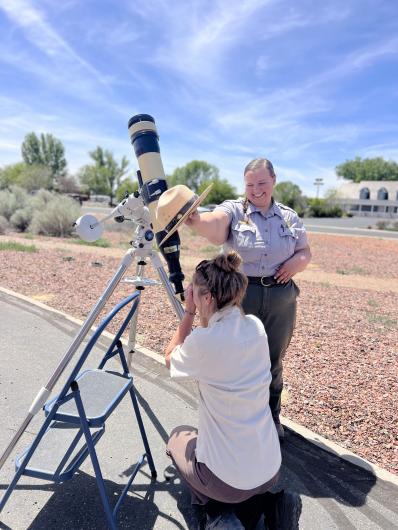
The success of the event underscores BLM’s ongoing commitment to helping communities engage with their public lands through accessible, educational, and enjoyable experiences. Building on that commitment, the day also illustrated how thoughtful public engagement supports broader goals for effective and transparent government. The event supports the government‑efficiency and transparency objectives of Executive Order 14219 by delivering clear information about BLM program work through experiential learning rather than complex documents. It also strengthens trust in agency expertise by creating opportunities for real‑time interaction and in‑person question‑and‑answer sessions with specialists.
By offering these direct learning experiences with resource specialists, the Paria River District continues to foster stewardship and deepen the public’s connection to the landscapes they share. Especially as America celebrates 250 years of independence, events like these help people become part of the ongoing story of stewardship on public lands. The BLM is inspiring the next generation of land stewards and building a future where America’s public lands continue to thrive because people feel connected to them.
As the nation moves toward its 250th anniversary, the BLM will continue hosting opportunities like this — places where discovery meets stewardship, and where people can celebrate the public lands that have shaped our history and will continue to inspire our future. Learn more on our website about how to get involved.
Related Stories
- National Public Lands Day Volunteers Revitalize Dean S. Reservoir in Montana
- National Public Lands Day Paddles, Plants and Caves: BLM Connects Milwaukee Youth with the Outdoors
- Celebrating 30 Years of California Condor Recovery at Vermilion Cliffs National Monument
- Using Beavers as Partners in Riparian Habitat Restoration in Las Cienegas National Conservation Area
- BLM recruits future workforce at Missouri University of Science and Technology career fair
Office
669 S. Highway 89A
Kanab, UT 84741
United States