


Framed for Freedom: Bureau of Land Management Eastern States and the Legacy of National Historic Trails
As we celebrate the United States' 250th birthday, the nation’s public lands offer some of the most meaningful places to reflect on its journey. Across the Eastern States region of the Bureau of Land Management (BLM), four nationally significant trails—each rich in culture, ecology, and history—invite visitors to walk, ride, or paddle through landscapes that have shaped America’s identity.
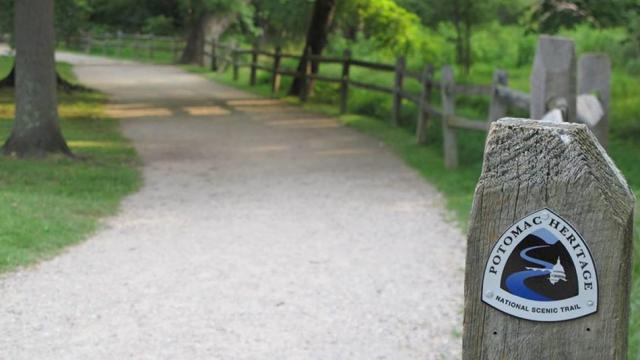
The Potomac Heritage National Scenic Trail (PHNST) is a living tapestry of natural beauty and layered history. Stretching from the mouth of the Potomac River to the Allegheny Highlands, it connects forests, wetlands, cities, and rural vistas that reveal centuries of change. Along its route, the Bureau of Land Management manages key segments at the Douglas Point Special Recreation Management Area (SRMA) in Maryland and the Meadowood SRMA in Virginia, where hardwood forests, wetlands, and sweeping river views highlight both natural wonder and historical depth. The trail’s corridor bears stories of Indigenous homelands, early colonial life, freedom seekers on the Underground Railroad, and evolving conservation efforts, making every mile a bridge between past and present.
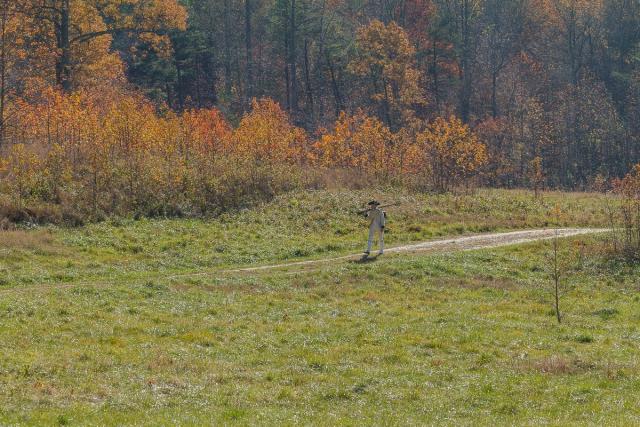
Farther along the Eastern Seaboard, the Washington–Rochambeau Revolutionary Route National Historic Trail traces more than 680 miles across nine states, following the 1781 march that secured America’s independence. This route honors the remarkable Franco‑American alliance that helped make the nation’s founding possible. Today, historic encampments, preserved roads, cultural sites, and archaeological discoveries offer powerful insights into the soldiers’ experiences as they journeyed toward the decisive victory at Yorktown.
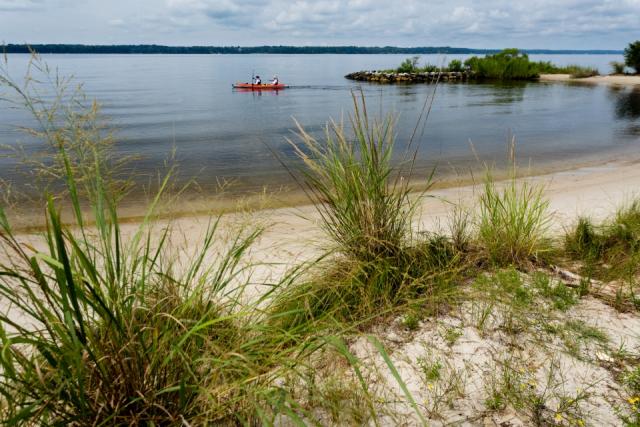
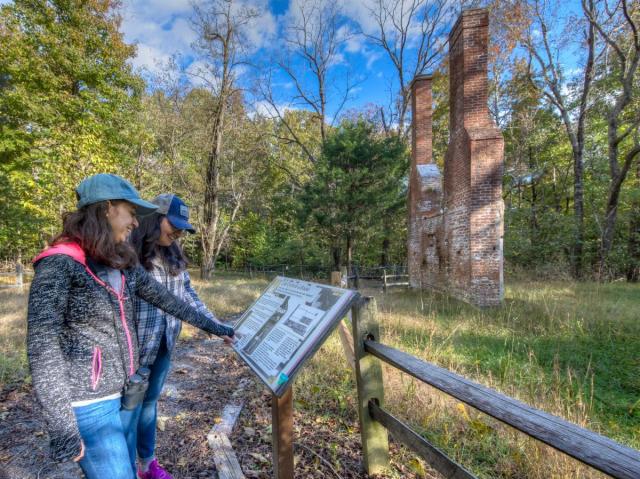
Equally compelling is the Captain John Smith Chesapeake National Historic Trail, which spans roughly 3,000 miles across the vast estuary explored by Captain John Smith between 1607 and 1609. Its waterways reveal some of the earliest recorded interactions between English settlers and Indigenous nations. At the Douglas Point SRMA, visitors can explore the Chiles home site, enjoy water access, and connect to the broader PHNST system, underscoring the region’s intertwined cultural and ecological heritage.
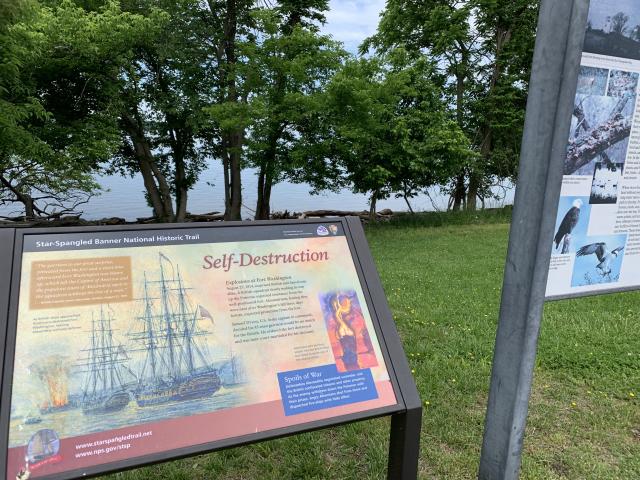
Rounding out this corridor of national memory, the Star-Spangled Banner National Historic Trail guides visitors through key sites of the War of 1812. In Maryland, BLM manages two miles of the trail at the Douglas Point SRMA, where serene forest and tidal waters echo the scenes witnessed by defenders who helped inspire the national anthem. Whether explored by foot, bike, or boat, the trail highlights both the natural character of the Chesapeake and the resilience of the young nation.
Together, these trails illuminate the vibrant history preserved on America’s public lands. As the country marks 250 years of independence, they offer unforgettable pathways to experience the stories, landscapes, and enduring spirit that continue to shape the United States.
Related Stories
- One Mile Closer
- Fossils, furs and a few sparks at Kemmerer Outdoor Discovery Day
- Celebrating National Public Lands Day across the High Desert District in Wyoming
- BLM recruits future workforce at Missouri University of Science and Technology career fair
- September Lease Sale Energizes BLM’s Mission and Our Teams