


Celebrating 100 years of the “Mother Road’ U.S. Route 66 in northwestern Arizona
For a century, U.S. Route 66 has represented freedom of movement, small-town resilience and the enduring appeal of the American West.
This year, America celebrates the 100th anniversary of one of its most iconic highways — U.S. Route 66, established on Nov. 11, 1926. Often called the “Mother Road,” U.S. Route 66 connected Chicago to Los Angeles and became a symbol of westward opportunity, mobility and Americana.
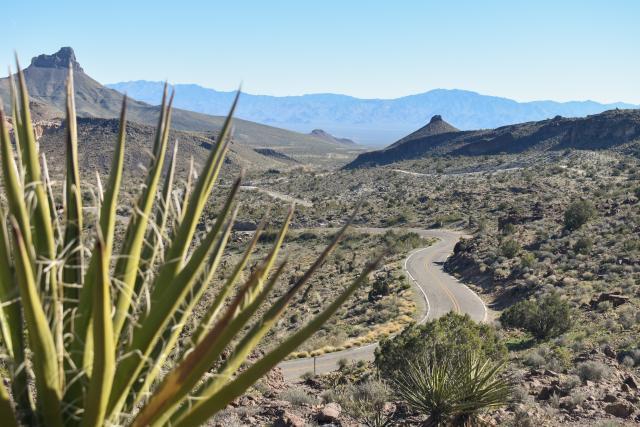
The Bureau of Land Management (BLM) Kingman Field Office manages extensive public lands in northwestern Arizona across a 42-mile section of this rugged and scenic 158-mile corridor. This corridor encompasses one of the longest remaining continuous stretches of historic U.S. Route 66 in the nation. On these public lands, the Mother Road is largely intact and fully drivable. As it winds through the region, it connects historic communities and offers visitors an authentic experience of U.S. Route 66’s original alignment.
Because this corridor crosses public lands, visitors are encouraged to stay on designated routes, respect wildlife by maintaining safe distances, practice outdoor ethics to leave no trace, and check road conditions before traveling. The road is narrow and winding in places, with limited guardrails and steep grades. High-clearance vehicles are not required to enjoy the BLM-managed section of U.S. Route 66, but attentive driving is essential.
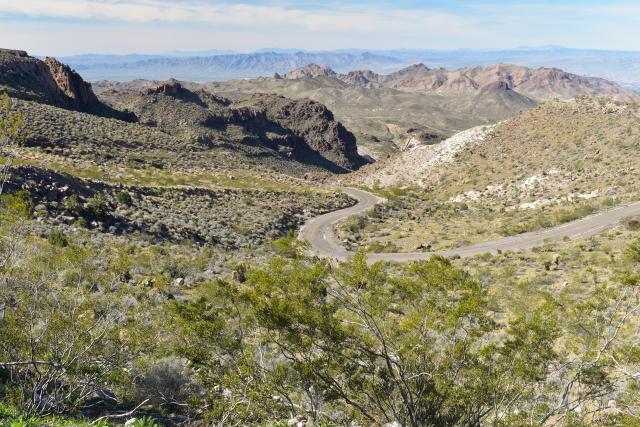
Starting at Crookton Road (Exit 139 on Interstate 40) east of Seligman, the corridor winds westward through Coconino, Yavapai and Mohave counties before reaching Golden Shores near Arizona Highway 95.
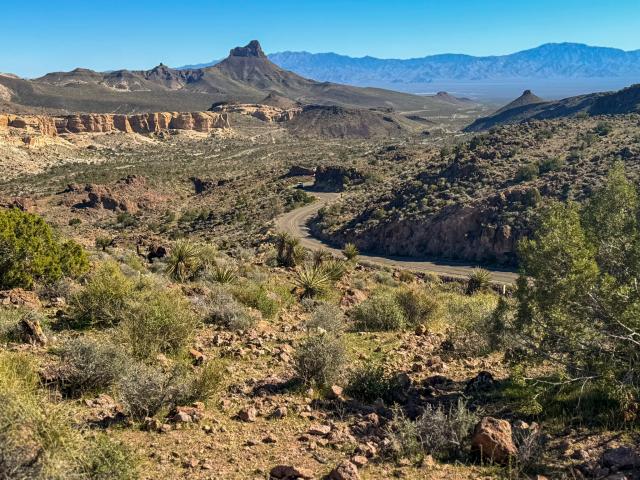
West of Kingman, the route transitions into BLM-managed Route 66 Historic Back Country Byway that passes between Mount Nutt Wilderness to the north and Warm Springs Wilderness to the south. Here it climbs through the Black Mountains, where drivers navigate steep grades and tight switchbacks. This includes the hairpin turns of Sitgreaves Pass with expansive Mojave Desert views to follow. Along the way, travelers pass the dramatic Black Mountains escarpment, desert bighorn sheep habitat, wild burro Herd Management Areas and historic mining communities such as Oatman, known for its free-roaming burros and daily staged gunfights.
Visitors also have opportunities to observe Mojave Desert wildlife and explore historic roadside features that reflect the corridor’s early travelers. The Kingman Field Office maintains interpretive kiosks near Golden Shores and in Golden Valley. The field office is currently finalizing plans to modernize these exhibits to strengthen visitor understanding during U.S. Route 66’s centennial year.
After Interstate 40 bypassed many small towns in the 1970s and 1980s, communities like Seligman faced economic decline, but their citizens were resilient. Local barber and business owner Angel Delgadillo from Seligman spearheaded efforts to preserve and promote U.S. Route 66 as a historic destination. His advocacy helped establish U.S. Route 66 as a recognized historic corridor in the 1980s and launched Arizona’s annual Fun Run, held the first weekend in May. The event features classic cars traveling from Seligman to Golden Shores, with festivities in communities along the route.
This grassroots revival helped transform U.S. Route 66 from an abandoned highway into an international tourism destination — drawing visitors from across the United States and around the world.
“Route 66 continues to connect people to the public lands and outdoor experiences that define Mohave County,” said Kingman Field Office Manager Amanda Dodson. “From scenic drives through the Black Mountains to wildlife viewing and historic communities, this corridor reflects both our recreation heritage and the opportunities public lands provide today.”
From byway to main street: discover Kingman
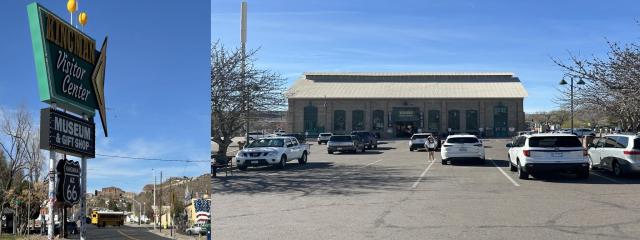
Visitors exploring the BLM byway are encouraged to include downtown Kingman in their U.S. Route 66 itinerary. There are plenty of food options available for lunch or dinner. Key historical learning opportunities include Powerhouse Visitor Center, Mohave Museum of History and Arts, and Bonelli House, where a single admission ticket allows entry to all three venues.
Built in 1907 and online by 1909, the Kingman Powerhouse brought electricity to local mines, businesses and homes, helping propel Kingman and Mohave County into the 20th century. Today, the Powerhouse Visitor Center houses the Arizona Route 66 Museum and serves as a cornerstone of Kingman’s Route 66 historical record.
The Mohave Museum of History and Arts preserves the rich natural and cultural heritage of northwestern Arizona. The museum’s archives and exhibits interpret the layered story of Kingman, Mohave County, and the broader U.S. Route 66 corridor. This story includes everything from Indigenous tribes including the Fort Mojave, Hualapai, Chemehuevi, Havasupai and Paiute to miners, ranchers, and railroaders who shaped early settlement of the area.
Bonelli House reflects the legacy of one of Kingman’s early families. First built in 1894 as a wedding gift from George A. Bonelli to his bride, Effie, the original home was lost to fire in 1915 and rebuilt later that year. Today, it offers visitors a window into early 20th-century life in frontier Arizona.
These attractions complement the outdoor experience by providing historical context for the transportation corridor that shaped northern Arizona.
The Route 66 centennial also aligns with the BLM’s broader Freedom 250 initiative, which highlights the role public lands play in America’s story leading up to the nation’s 250th anniversary in 2026. Across the country, BLM offices are recognizing historical milestones, recreation opportunities and community partnerships that connect Americans to their shared heritage and public lands legacy. Connect with the BLM at Freedom 250 Celebration and Anniversaries to learn more.
As communities across Arizona celebrate the centennial of U.S. Route 66 in 2026, the BLM Kingman Field Office remains committed to managing public lands that preserve this historic travel corridor while providing safe access for today’s visitors.
Whether you are driving the full Mother Road or exploring the scenic segment through the Black Mountains, this anniversary offers a timely reminder: History is not only something we read about. Sometimes, we can drive it.
Attachments
Related Content
Related Stories
- Hooked on stewardship: Lake Havasu Field Office celebrates Fisheries Improvement Program volunteers
- BLM, U.S. Wildland Fire Service celebrate more than 20 years of wildland fire training partnership with Phoenix schools
- Freedom 250 volunteers celebrate Earth Day through stewardship at Fortuna Pond near Yuma
- Film legends made movie magic at Las Cienegas National Conservation Area in Arizona
- Explore, learn, connect: BLM sparks connection for the public with the lands they love through expert-led, engaging events