


Hooked on stewardship: Lake Havasu Field Office celebrates Fisheries Improvement Program volunteers
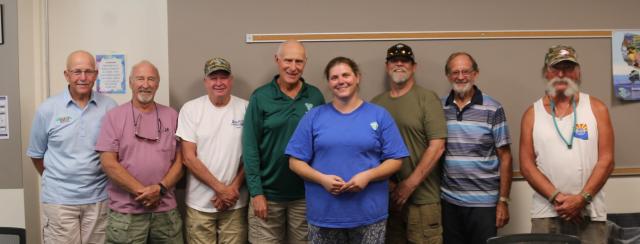
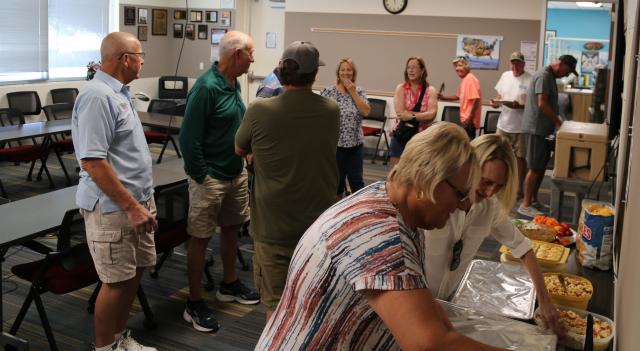
Around shared tables filled with homemade dishes, fisheries volunteers with the Bureau of Land Management’s Lake Havasu Field Office gathered for something simple but meaningful: appreciation.
The luncheon, hosted by Fisheries Biologist Rachel Wirick, brought together seven volunteers and their spouses alongside Lake Havasu Field Office staff to recognize the people who help keep the Fisheries Improvement Program moving forward year after year.
District Manager William Mack, Jr., contributed smoked chicken quarters and pulled pork for the meal, while employees and volunteers added side dishes and desserts in a potluck-style show of support that reflected the close relationship between staff and volunteers.
But the true focus of the afternoon was the volunteers themselves.
“The program wouldn’t function without them,” Wirick said. “We are able to do the work because of the volunteers. On paper, I may get credit for the work, but by no means am I physically doing all of it. Our program would not function at the level it does without their dedication and pride in the work.”
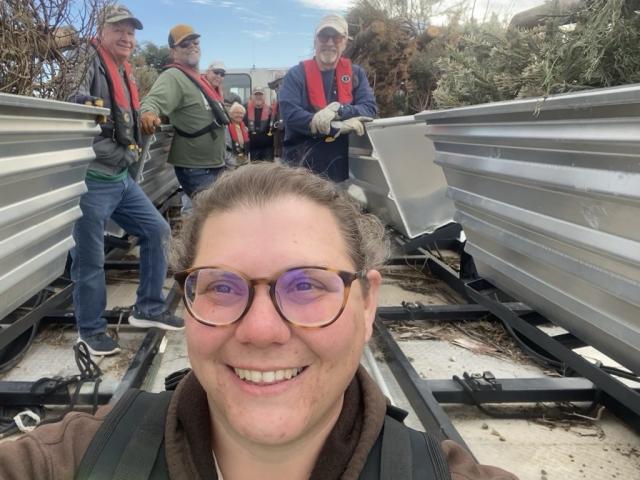
Last year alone, fisheries volunteers contributed just under 2,000 hours of service supporting habitat improvement work on Lake Havasu. Even during a slower operational year, volunteers have already helped install approximately 100 habitat bundles in the lake and logged nearly 450 hours of service so far this year.
“These volunteers are the heart of the Fisheries Improvement Program,” Assistant Field Manager Bill Webster said. “Rachel has done an outstanding job building relationships with people who genuinely care about the lake and the work being done here. The teamwork, pride and dedication shared by this group is what makes the program successful.”
Rather than formal certificates or presentations, the volunteers preferred something more personal: a shared meal, good conversation and time together. That sense of camaraderie was evident throughout the gathering as volunteers and staff swapped stories, joked with one another and reflected on the work they have accomplished together on the water.
The appreciation luncheon reflects the broader spirit of volunteerism being highlighted nationwide through the Department of interior’s Freedom 250 initiative leading up to the nation’s 250th anniversary in 2026. Volunteers across public lands contribute thousands of hours helping conserve natural resources, improving recreation opportunities and strengthening connections between communities and the landscapes they value. At Lake Havasu, fisheries volunteers are carrying that spirit of stewardship forward one habitat bundle at a time.
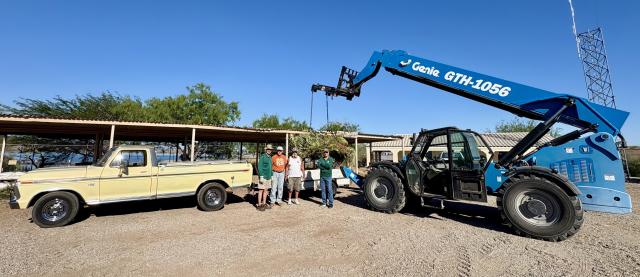
From building and installing fish habitat structures to improving recreational fishing opportunities for future generations, fisheries volunteers continue to play a direct role in conserving and enhancing public lands and waters. Their work supports healthy fisheries, strengthens outdoor recreation opportunities and demonstrates how stewardship partnerships can expand the reach of public service.
While National Volunteer Appreciation Month may have ended, the Lake Havasu Field Office continues to recognize the lasting impact volunteers make throughout the year with the hours they contribute, as well as through the pride, dedication and community they bring to the work.
If you’re interested in volunteering, the BLM offers a wide range of ways for people to get involved, from seasonal support to ongoing volunteer roles like the Lake Havasu’s Fishery Improvement program. There are opportunities for individuals of all backgrounds and experience levels, and many of them can be found on Volunteer.gov. As part of the Freedom 250 celebration of the anniversary of American Independence, volunteers who give 250 hours of volunteer service in 2026 and track their hours through Volunteer.gov are eligible to receive a federal public lands yearlong recreation entry pass. To learn more about the meaningful volunteer opportunities BLM has to offer, visit Volunteer.gov.
Related Content
Related Stories
- Celebrating National Public Lands Day across the High Desert District in Wyoming
- One Mile Closer
- BLM National Public Lands Day tradition continues in Roswell, New Mexico
- Pipestone Roars to Life as Community Comes Together for National Public Lands Day
- Signs of Collaboration: Protecting Tortoises on Arizona Public Lands
Office
1785 Kiowa Ave.
Lake Havasu City, AZ 86403
United States