


Capturing Inspiration: Photography on America’s Public Lands for National Photography Month
Every May, National Photography Month invites us to pause, look closely at the world around us, and celebrate the power of imagery to connect us with place, memory, and each other. For millions of visitors who explore Bureau of Land Management public lands, photography is a way to slow down, discover details, and capture the experience of seeing the landscape. Whether it’s a red-rock canyon glowing at sunrise, a sprinting pronghorn, or a quiet trail framed by wildflowers, public lands offer endless opportunities to turn ordinary moments into lasting visual stories.
Landscape as Inspiration
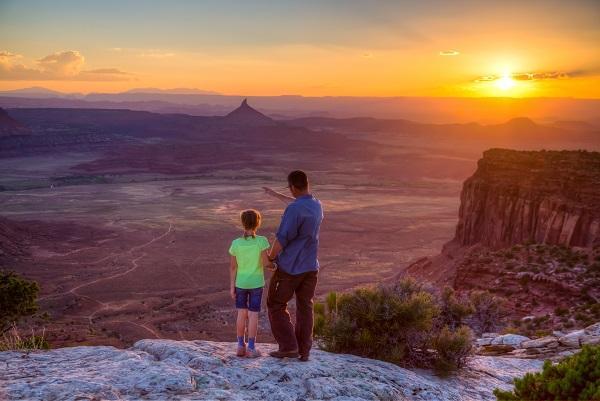
BLM-managed lands span more than 245 million acres across the United States, offering an unrivaled range of photographic backdrops. Vast deserts, rugged mountain ranges, dense forests, grasslands rich with wildlife, and some of the darkest night skies in the country provide creative fuel for photographers of all skill levels. Standing in one of the many landscapes we manage, it’s easy to feel both humbled and inspired by what lies before you.
Inspiration is easy to find. More than 86 million people live within 100 miles of BLM-managed lands, making these places accessible for spontaneous adventures, weekend excursions, or extended photography road trips.
Photography as a Gateway to Stewardship
National Photography Month offers a reminder that every visitor plays a role in stewardship of these lands that contain some of the nation’s most historic and scenic landscapes, as well as vast natural resources that benefit all Americans. When photographers share their imagery, they help others feel the value of public lands and the need to protect them.
A good way to practice stewardship is to follow Leave No Trace principles, especially when exploring sensitive ecosystems. Staying on designated trails, giving wildlife plenty of space, and packing out all gear and trash ensures that future generations will enjoy the same spectacular scenery — and capture their own memorable photos — for years to come.
Simple Tips to Elevate Your Landscape Photography
With the camera you have with you, a few simple practices can help you make the most of your time outdoors:
Chase the right light.
Golden hour — the hour after sunrise and before sunset — provides soft, warm tones that bring landscapes to life. Shadows stretch, colors deepen, and even simple scenes take on a magical quality. Blue hour, just before dawn or after sunset, creates peaceful, moody images that feel almost dreamlike.
Look for leading lines.
Natural shapes such as rivers, trails, fallen logs, and rock layers guide the viewer’s eye through the frame. Position yourself so these lines draw attention to your main subject — whether it’s a distant mountain, an interesting rock formation, or a tree silhouetted against the sky.
Explore different perspectives.
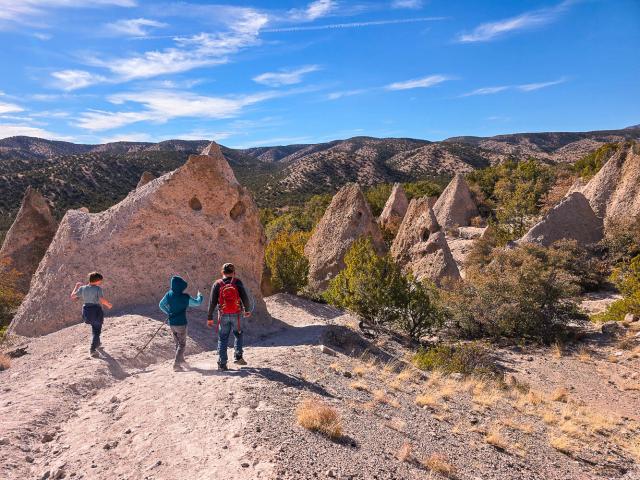
Crouch low to frame your shot with grasses or wildflowers. Climb higher (safely) to capture sweeping panoramas. A few steps to the left or right can dramatically change the composition. Think of each location as offering dozens of potential photographs.
Take your time.
Photography is an invitation to slow down. Pause and scan your surroundings. Look beyond the obvious scene and search for patterns, reflections, shadows, textures, or wildlife that may enhance your shot.
Be patient with wildlife.
Wildlife photography is rooted in patience and respect. Never approach too closely or attempt to lure animals toward you. Instead, give them space and allow moments to unfold.
What’s New in Landscape Photography Trends
Photography is always evolving, and visitors are increasingly blending classic techniques with modern tools to express their creativity on public lands. Here are a few trends shaping today’s outdoor photography:
Embracing smartphones.
While professional equipment remains invaluable, many visitors rely on high-quality smartphone cameras. With improved sensors, low-light capabilities, and simple editing apps, smartphones make it easy to capture compelling landscapes without heavy gear. This accessibility has opened the door for more people to document their experiences outdoors.
Minimalist compositions.
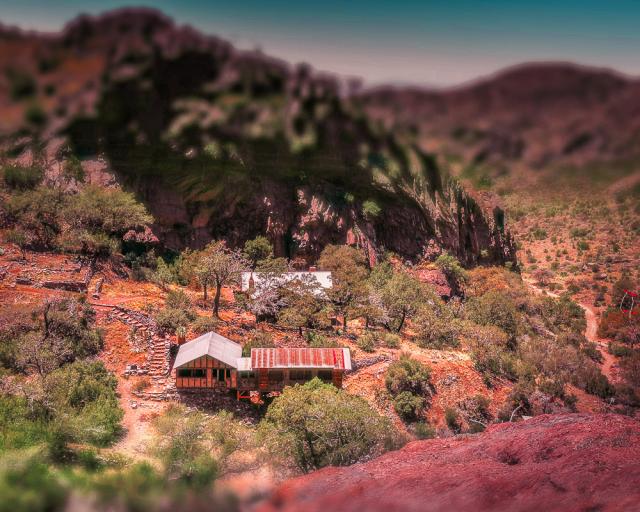
Clean, uncluttered images — such as a lone tree against an open sky or a single rock formation rising from a desert plain — are gaining popularity. Public lands are ideal for this style because of their wide-open spaces and dramatic natural contrasts.
Creative night photography.
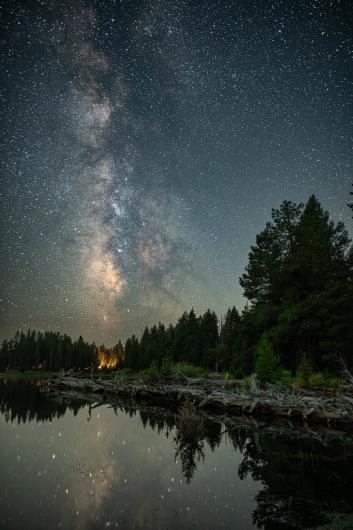
More visitors are attempting astrophotography, using the night sky as the main subject. BLM landscapes, often miles from urban light pollution, offer exceptional night shooting conditions. Long exposures capturing the Milky Way, star trails, and silhouettes of rock formations have become a favorite challenge for photographers seeking something extraordinary.
Celebrate all month
Whether you’re a seasoned photographer or using a camera for the first time, National Photography Month is the perfect reason to get outside and explore. Start with places close to home or plan a longer adventure to a national monument, wilderness area, or scenic byway. Check the BLM website for inspiration, trail suggestions, and updated conditions, and don’t forget to share your images with friends and family — you never know who might be inspired to plan their own visit.
Related Stories
- National Public Lands Day Paddles, Plants and Caves: BLM Connects Milwaukee Youth with the Outdoors
- K2-Play Completes Final Phase of North Fruita Desert Trails Master Plan
- BLM Fishing Derby brings Americans Outside for recreation and stewardship in Imperial Valley, California
- Fossils, furs and a few sparks at Kemmerer Outdoor Discovery Day
- Celebrating National Public Lands Day across the High Desert District in Wyoming