


Defending public lands: Combating invasive species in BLM Eastern States
Invasive species are one of the greatest threats to biodiversity on public lands. Across the Bureau of Land Management (BLM) Eastern States region, non-native plants and animals are spreading rapidly, displacing native species and disrupting healthy ecosystems, and even local economies. In many of the places where they occur on lands we manage, there are dedicated staff working with local partners to address these challenges. For National Invasive Species Awareness Week, we are spotlighting efforts working with others to manage these invaders and restore balance to our landscapes.
What Are We Up Against?
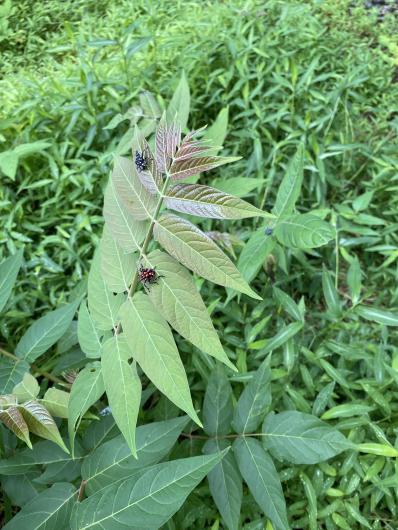
From forests to waterways, invasive species are altering habitats and outcompeting native plants and wildlife across BLM-managed sites such as the Lower Potomac Field Station, Lake Vermilion Public Islands in Minnesota, and Wisconsin River Islands. Among the most persistent offenders are zebra mussels (Dreissena polymorpha). These tiny freshwater mussels come from Eastern Europe and damage aquatic ecosystems and infrastructure. Spotted lanternflies (Lycorma delicatula) are destructive insects that feed on hardwood trees, grapevines, and crops. They cause both ecological and economic harm. European buckthorn (Rhamnus cathartica) creates dense shade, alters soil chemistry, and dominates forest understories. Lespedeza, or bush clovers, form dense stands and suppress native grasses.
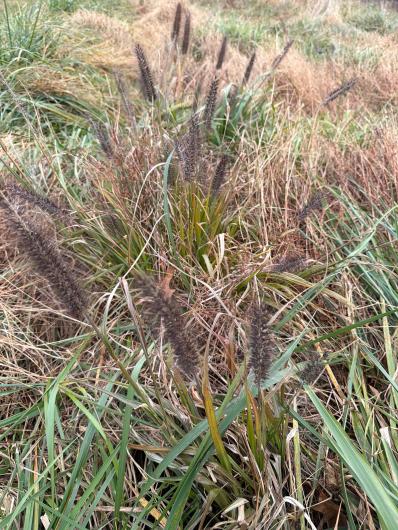
Another culprit is fountain grass (Pennisetum setaceum), an ornamental plant that spreads uncontrollably in fields and along trails. BLM Lower Potomac Field Station Park Ranger Charles Cate shared a sobering experience with this popular plant: “A seed from this grass or similar got stuck in my friend’s dog and the wound got infected. The infection got into the bloodstream and caused a blood clot. The dog was fine after an expensive surgery, but scary stuff!” This story underscores how invasive plants can have unexpected consequences beyond ecological damage.
Battles in the Southeast
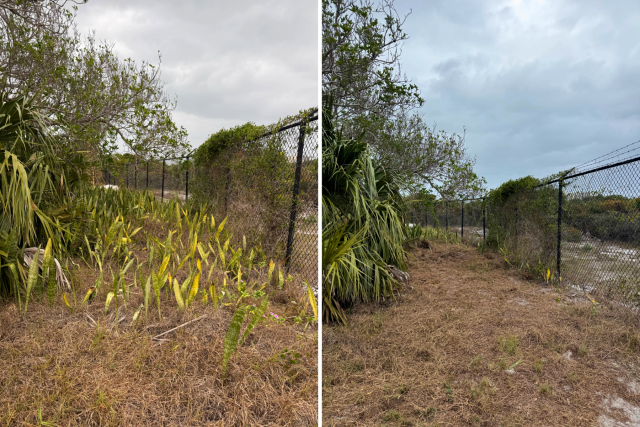
Warmer climates bring additional challenges. At Jupiter Inlet Lighthouse Outstanding Natural Area in Florida, snake plants (Sansevieria trifasciata) have invaded wetlands, requiring labor-intensive root removal. Meanwhile, green iguanas burrow into embankments, destabilizing shorelines and threatening historic landscapes. A rare cold snap recently gave BLM a chance to reduce iguana populations—a small victory in an ongoing battle.
Creative Solutions in Action
BLM employs innovative strategies to combat these threats, blending technology, partnerships, and ecological restoration. Two standout approaches include:
Fishing for Northern Snakehead:
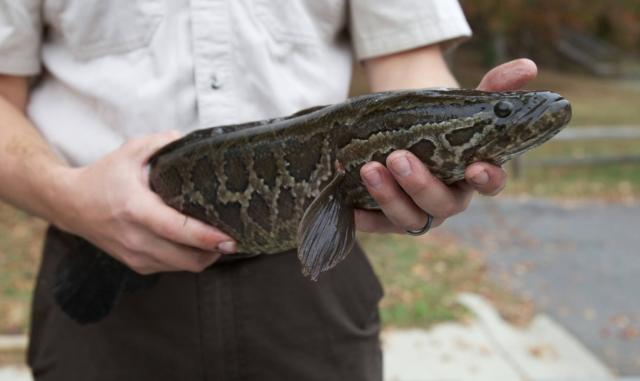
The Northern Snakehead (Channa argus), an aggressive predator introduced to U.S. waterways, threatens native fish populations and ecosystems. At Meadowood Special Recreation Management Area, anglers are encouraged to catch as many as possible—there are no limits on this invasive species. Snakeheads can even survive out of water and move across land, making them especially challenging to control.
Goats to the Rescue:
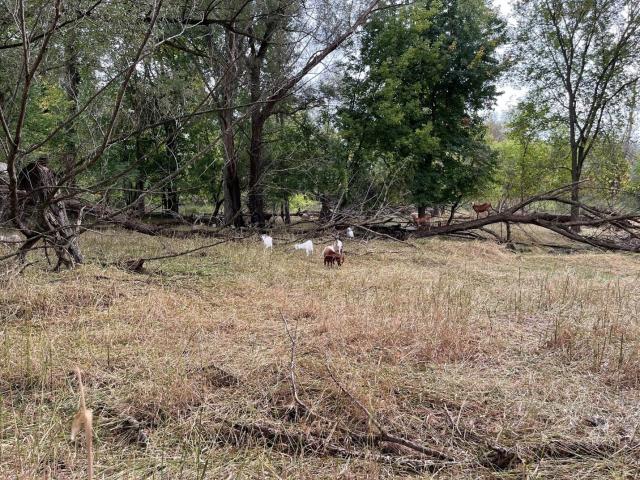
On a Milwaukee River island in Wisconsin, BLM deployed goats to clear invasive plants like reed canary grass and buckthorn. Goats are nimble, eco-friendly, and effective in areas where machinery or herbicides fall short. This natural solution improves habitat health and reduces reliance on chemicals.
How You Can Help
Public awareness is critical. Avoid planting invasive species outdoors, report sightings on public lands, and follow posted guidelines when fishing or recreating. Together, we can protect native ecosystems and preserve the natural beauty of our public lands.
Learn more: https://www.blm.gov/programs/weeds-and-invasives
Related Stories
- One Mile Closer
- Fossils, furs and a few sparks at Kemmerer Outdoor Discovery Day
- BLM recruits future workforce at Missouri University of Science and Technology career fair
- Celebrating National Public Lands Day across the High Desert District in Wyoming
- September Lease Sale Energizes BLM’s Mission and Our Teams
Office
5275 Leesburg Pike
Falls Church, VA 22041
United States