


Remembering the cattle drive that defined ranching in southeastern Arizona
To celebrate America’s 250th anniversary in 2026, the public will have the opportunity to explore the legacies of the men and women who helped shape the American West. Their grit and determination contributed to the region’s rich history.
Some of those trailblazers lived and worked in Arizona. This includes at the historic 150-year-old Empire Ranch in what is now the Bureau of Land Management (BLM) Tucson Field Office-managed Las Cienegas National Conservation Area.
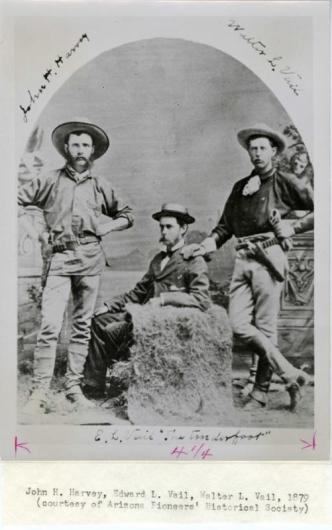
In the 1890s, a cattle drive from Empire Ranch to California tested the limits of endurance. But the story begins long before then, with the Vail family. The Vail family was shaped by ambition.
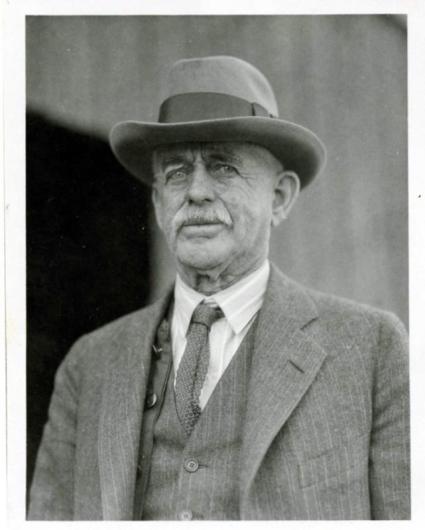
Born on September 19, 1849, in Liverpool, Nova Scotia to American parents, Edward Vail spent his early years in New Jersey and later worked in New York as a ship chandler. His path took a turn when his brother, Walter Vail, with partner Herbert Hislop, purchased the E. N. Fish Ranch in southern Arizona. It was then renamed to Empire Ranch. Drawn by opportunity and family ties, Edward made his way to Arizona in 1879, traveling from the east to Tucson on what is now the Butterfield Overland National Historic Trail.
They worked the land, raising cattle. While partners came and went, the Vail family made their mark on the Empire Ranch.
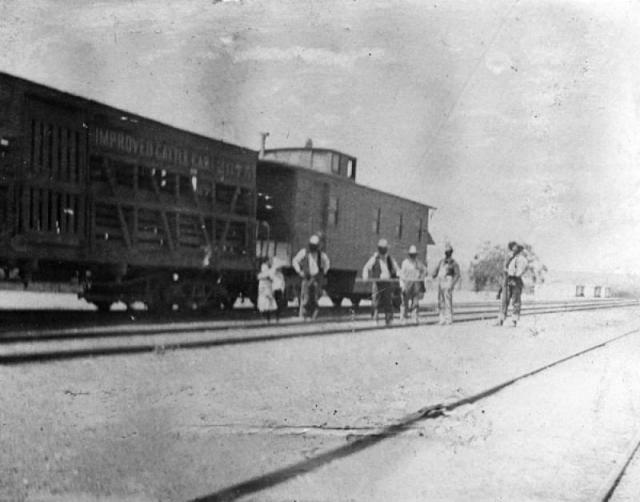
In the 1880s, the Southern Pacific Railroad reached Tucson. The railroad was used to ship surplus cattle to California. But in 1890, the railroad raised the cost of freight, and cattle were already hard enough to sell.
Protesting the rate hike, they decided to make the journey themselves, risking their lives.
In a remarkable journey that spanned two months and ten days, Edward and ranch foreman Tom Turner — alongside six vaqueros (cowboys of Mexican descent) and one Chinese cook — drove 900 cattle across more than 500 miles of rugged terrain.
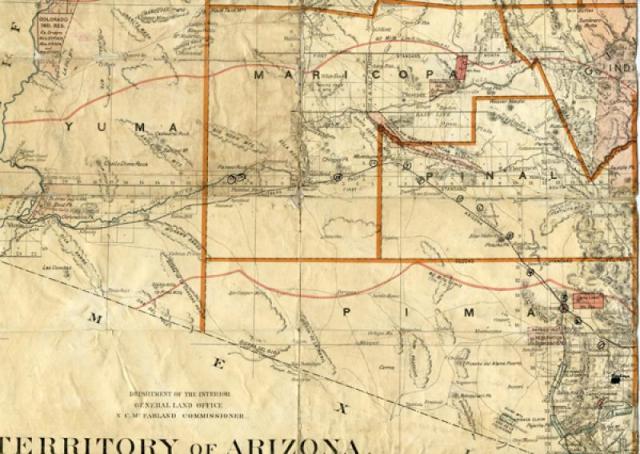
Their route cut through the Sonoran Desert, eventually crossing the Colorado River. They passed through towns like Maricopa, Gila Bend, Yuma, and Calexico, eventually making it to the Warner Ranch near San Diego, California.
Edward kept a diary of his encounters, eventually publishing them in the Arizona Daily Star in 1922. During the cattle drive, Edward and his crew encountered stampedes, horse thieves, and a tax collector. They were tested when water and feed ran low.
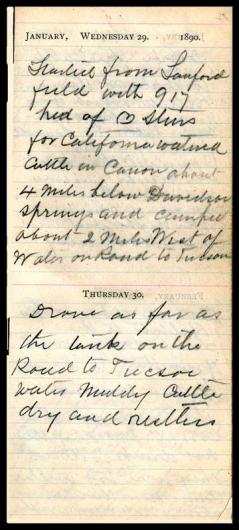
These stories of Empire Ranch, drawn from personal diaries and historical records, offer a glimpse into the challenges and triumphs of cowboy life. The Empire Ranch carries a long history, eventually being sold to the Boice family and then later acquired by the Bureau of Land Management.
It has seen the economic booms and busts of homesteading before Arizona’s statehood. It has also seen the Great Depression, World War II, and beyond, now a part of America’s public lands. These stories remind us that the American West was built not just by the legends we learn about in old movies or history books. It was built by everyday people whose courage left a lasting mark on public lands and the communities we call home.
Make time to visit these public lands, which offer the authentic and unique experiences that come with a once-in-a-lifetime event like the 250th anniversary of the United States. Join the BLM and partners at the America 250 and Empire Ranch 150 celebration at Las Cienegas National Conservation Area on Saturday, Jan. 24, 2026, from 8 a.m. to 2 p.m.
Related Stories
- Signs of Collaboration: Protecting Tortoises on Arizona Public Lands
- BLM Arizona and Arizona Association of Conservation Districts: A Model Partnership for Landscape Conservation
- Celebrate National Public Lands Day with BLM Arizona
- New Website for the General Lands Office Brings Increased Access to Land Records
- Commemorating the Sonoran Desert National Monument’s 25th Anniversary
Office
3201 E. Universal Way
Tucson, AZ 85756
United States