


“Where did my horse come from?” BLM launches a new way for adopters, trainers and others to learn about their wild horses and burros
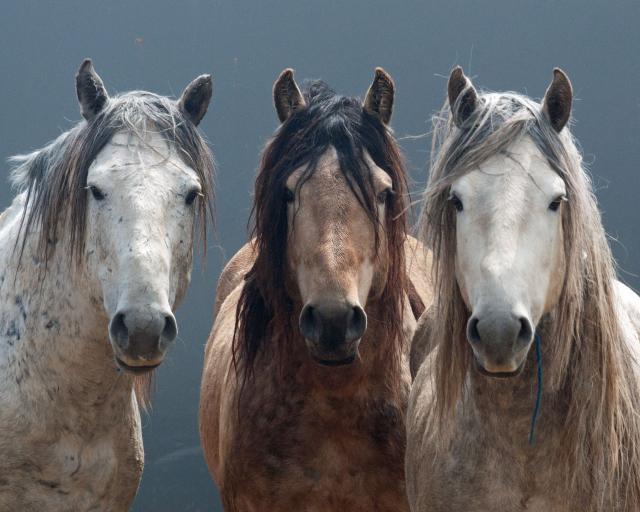
If you’ve ever adopted or purchased a wild horse or burro, you probably remember the moment you first saw them: the cautious eyes, the quiet strength, the sense of mystery. As you came to better know your wild horse or burro, you probably quickly learned their unique habits, funny traits and striking personalities. However, many owners of a wild horse or burro wonder: Where did my wild horse or burro come from? What was their journey before they came into my life?
Unless you were adopting directly from the BLM, finding those answers often meant emails, phone calls, and waiting. But now, you can find that information through a simple search in the new Wild Horse and Burro Program System Public Dashboard!
Access the Public Dashboard and read the User Guide
This new public web tool puts the power to look up your wild horse’s or burro’s history directly into your hands. With just a freeze mark or microchip number, you can now find basic information about the history of your animal while it was under BLM care. You can learn things like where your wild horse or burro was gathered, which facilities it lived in, it’s vaccination and health care history, and when it was adopted or sold into private care.
For many wild horse and burro owners, this is more than just data – it’s a way to deepen the bond with their four-legged companion. It’s the missing chapter of their story. For long-time wild horse trainer, adopter and BLM partner Stacie Zimmerman, the Public Dashboard is an opportunity and a tool that will benefit adopters and trainers alike.

“I think it’s going to answer so many questions for people,” Zimmerman said. “From the adopter’s perspective, it’s going to be a fun place to see the path their horse went through to get to them. From the perspective of my job as a trainer, it’s going to be helpful to see the process and timeline the animal went through as well.”
Adopters typically receive animal history when they adopt or purchase a wild horse or burro directly from the BLM, but many trainers and owners obtain titled freeze-marked horses through private auctions or third-party sales. The Public Dashboard shares useful information such as if a horse has been adopted more than once before it was titled, or if it was adopted through a training program.
“If they’ve been asked to do something a different way by someone else at a different point in their lives, you can understand that it might take them a little bit longer than a horse learning something for the very first time,” Zimmerman said. “There’s a lot of information we can get from this. I think it’s great.”
Beyond animal history data, the Public Dashboard provides the public with the ability to access a variety of non-personally identifiable data related to wild horse and burro management. For example, users can run reports to get information on facilities, fertility control treatments, and gathers. This data is in addition to the program statistics and annual accomplishments that are already available.
By making this information publicly available, BLM aims to increase transparency and reduce the need for Freedom of Information Act requests. This helps cut costs for taxpayers while making it easier for the public to engage with and understand the Wild Horse and Burro Program.
Related Stories
- BLM Showcases Local Recreation Treasures Ahead of National Hunting and Fishing Day
- Healing Hooves: How a Once‑Wild Burro is Bringing Joy Across Pennsylvania and Competing Nationally
- Gallant: A BLM mustang with a bright future
- Bringing Wild Horses and Burros Home: Doswell’s Adoption Event Inspires Community
- Meet the inmate-trained wild burros available in Arizona on August 14