


Bat Week: Celebrating the Species of BLM Eastern States
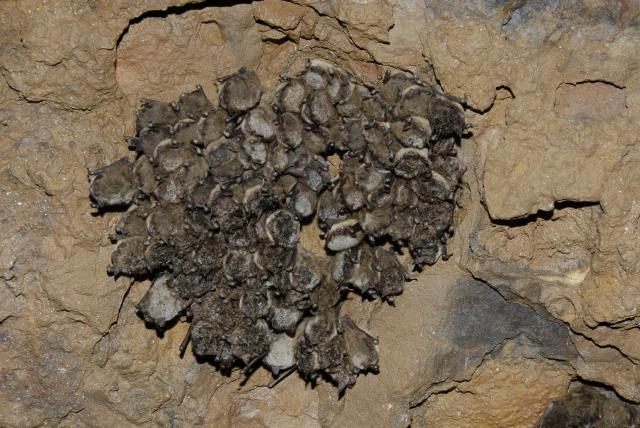
Every October, Bat Week (Oct. 24 - Oct. 31) shines a spotlight on the essential role bats play in healthy ecosystems. Across the Bureau of Land Management’s Eastern States, these remarkable mammals quietly support forest resilience, insect control, and broader biodiversity. Recent monitoring efforts highlight just how diverse and active bat populations are on public lands managed by BLM.
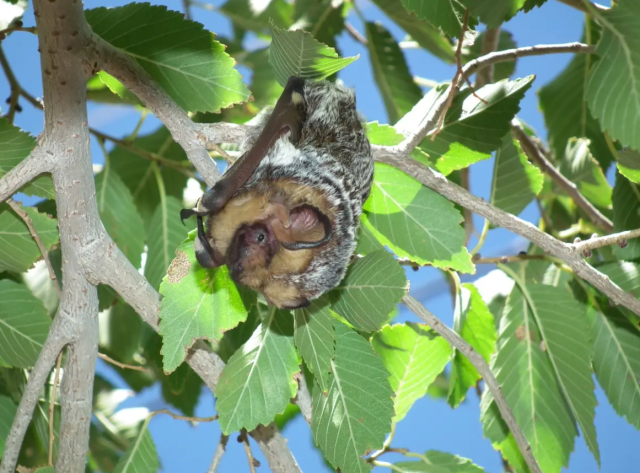
In 2025, BLM Eastern States partnered with Bat Conservation International to survey bat species across islands in Lake Vermilion, Minnesota, a landscape managed for recreation, habitat, and multiple-use stewardship. Acoustic monitoring revealed an impressive variety of bat activity, offering valuable insight into species that also appear throughout the broader BLM Eastern States region. Five species were detected: the little brown myotis (Myotis lucifugus), big brown bat (Eptesicus fuscus), hoary bat (Lasiurus cinereus), silver-haired bat (Lasiurus noctivagans), and eastern red bat (Lasiurus borealis).
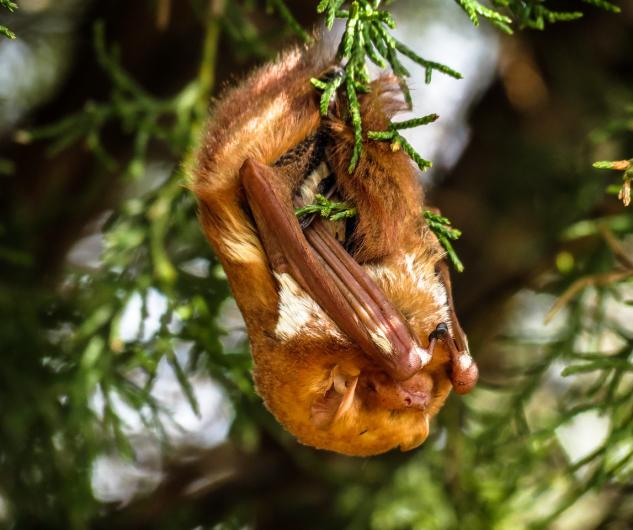
These species represent a mix of tree-roosting and cavity- or structure‑roosting bats commonly found from the Great Lakes through the Southeast. Little brown and big brown bats often use forest openings and human structures, while hoary and silver‑haired bats migrate seasonally across wide ranges. Eastern red bats, striking with their reddish fur, prefer foliage roosting and are among the most widespread bats east of the Mississippi. Their presence on BLM-managed islands underscores the connectivity between small public land parcels and larger regional ecosystems.
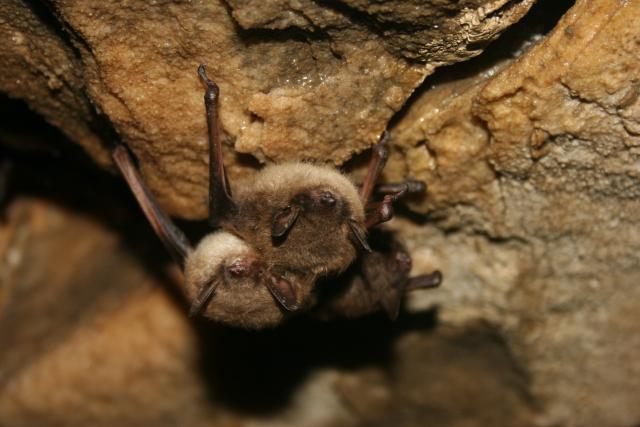
Threats such as habitat loss and White-nose Syndrome continue to challenge bat populations. In particular, little brown myotis have experienced significant declines across the continent, making every detection an encouraging sign. Acoustic monitoring—noninvasive and highly sensitive—helps BLM track these changes while minimizing disturbance to the animals. Results from the Lake Vermilion project feed into the North American Bat Monitoring Program, supporting coordinated conservation strategies across hundreds of organizations.
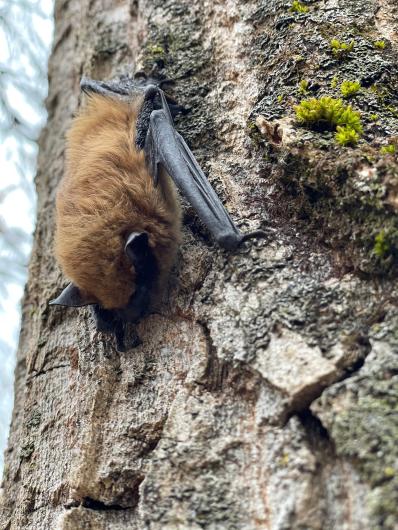
Across BLM Eastern States, these bats contribute to insect control that benefits forests, agricultural lands, and local communities. Their nocturnal foraging helps maintain ecological balance, protect crops, and reduce reliance on pesticides. Even small BLM-managed parcels—like scattered islands and recreation sites—provide roosting habitat, migration stopovers, and quiet refuge amid human activity.
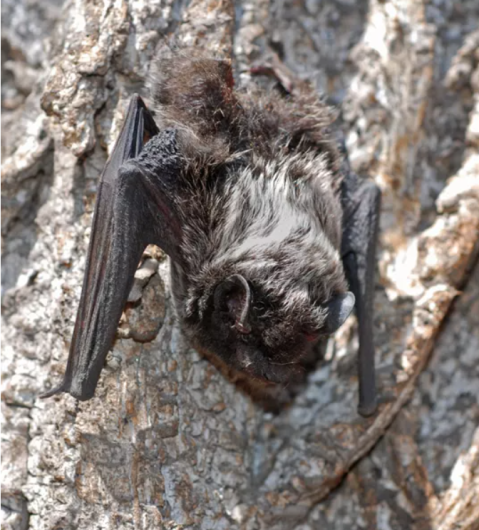
As we celebrate Bat Week, the BLM Eastern States honors the resilience of these species and the ongoing partnerships that help protect them. By supporting habitat conservation, monitoring, and public awareness, we ensure that bats—our tiny nighttime allies—continue thriving across the Eastern States landscape.
Related Stories
- Swainson’s Hawks: a remarkable return to California’s Central Valley
- National Public Lands Day Paddles, Plants and Caves: BLM Connects Milwaukee Youth with the Outdoors
- Using Beavers as Partners in Riparian Habitat Restoration in Las Cienegas National Conservation Area
- Celebrating 30 Years of California Condor Recovery at Vermilion Cliffs National Monument
- One Mile Closer
Office
5275 Leesburg Pike
Falls Church, VA 22041
United States