


Restoration crews are racing against time
Last summer, the Range Fire scorched more than 20,000 acres on the Boise District in Idaho, leaving rangelands vulnerable to noxious weeds and cheatgrass. These invasive species don’t just fill gaps—they transform ecosystems, fueling more frequent fires and, sometimes cause permanent loss.
To break that cycle, BLM managers and local partners are moving fast—getting seeds and plants in the ground before weeds take hold.
Restoration goes beyond reducing wildfire damage. It rebuilds habitat for pollinators and other species that depend on them, including slickspot peppergrass (Lepidium papilliferum, or LEPA), a threatened species protected under the Endangered Species Act. Reestablishing native grasses and forbs improves habitat conditions essential for LEPA recovery.
Pollinators need a mix of native plants with overlapping bloom periods to provide steady forage throughout their active season. They also require suitable nesting and egg-laying sites—bare ground, hollow stems, bunchgrasses—and sheltered, undisturbed areas for overwintering and connected habitat patches.
“Pollinators are essential for slickspot peppergrass because the species relies on insects to transfer pollen between flowers, supporting successful seed production” said BLM Boise District Botanist Gillian Wigglesworth. “Without sufficient pollination, populations struggle to reproduce and maintain genetic variance, a challenge recently identified through research specifically examining habitat fragmentation impacts on slickspot peppergrass.”
Crews restore vegetation by land and by air. They choose techniques based on burn severity, proximity to LEPA habitat, topography, and site accessibility. They use broadcast seeding methods, including aerial and drill seeding, while prioritizing hand planting near fenced exclosures where tractors cannot safely or efficiently operate.
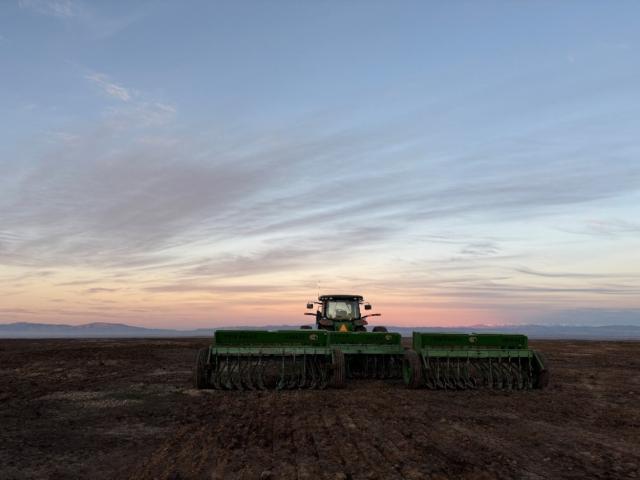
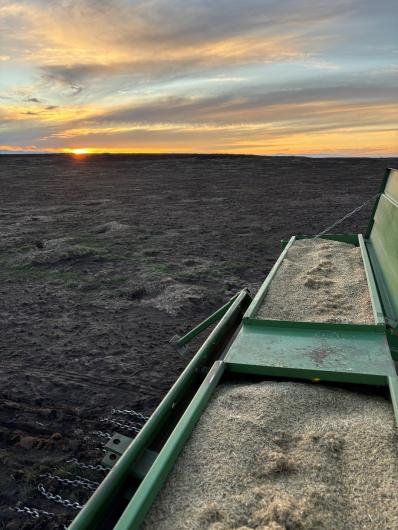
So far, crews have drill-seeded 3,480 acres with a mix of native grasses and forbs. Because LEPA habitat requires minimal ground disturbance, they used Range Master drills —developed by the Bureau of Land Management and the U.S. Fish and Wildlife Service — to reduced soil disruption compared to standard rangeland drills.
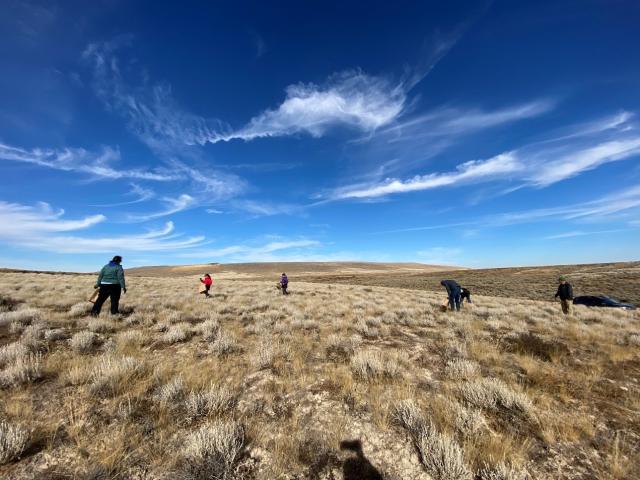
The hand-planting effort began on National Public Lands Day 2023, when the Birds of Prey Partnership (BOPP) collected native seed at Kuna Butte as part of their Habitat Improvement Program within the Morley Nelson Snake River Birds of Prey National Conservation Area. Through a BLM Assistance Agreement, BOPP’s propagation work receives support under BLM’s Plant Conservation and Restoration Management Program. For years, BOPP President Steve Alsup has collected seed from native shrubs and forbs—including sagebrush, hot rock penstemon, sulphur buckwheat, and rabbitbrush—to support restoration across the NCA. He plants and propagates hundreds of seeds in his own backyard.
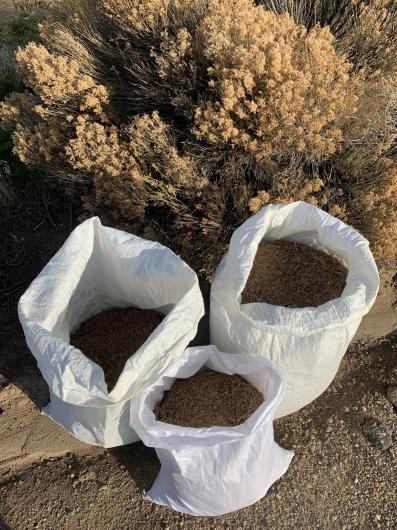
Many of the plant plugs installed within the Range Fire burn scar started from seed in 2025, allowing them to develop strong roots, stems, and leaves in a controlled environment. Using these plugs results in a higher success rate than broadcast seeding alone and provides immediate structure on the landscape, creating a microclimate that supports the establishment of additional native species.
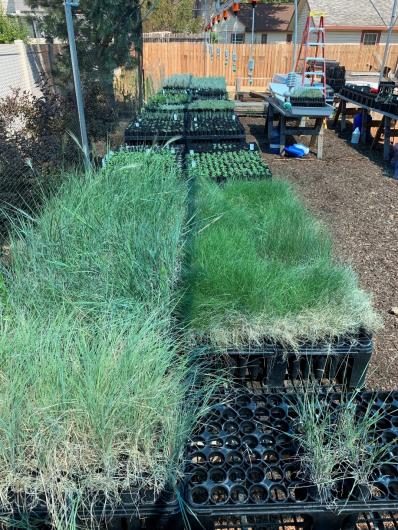
To accelerate restoration and enhance LEPA recovery, the BLM Boise District Botanist Gillian Wigglesworth issued an all-hands invitation to local partners with a shared investment in habitat recovery. Staff from BOPP, U.S. Fish and Wildlife Service, Idaho Army National Guard Orchard Combat Training Center, and the Idaho Conservation Corps planted 1,000 sagebrush seedlings, along with additional native shrubs and forbs, in a single day.
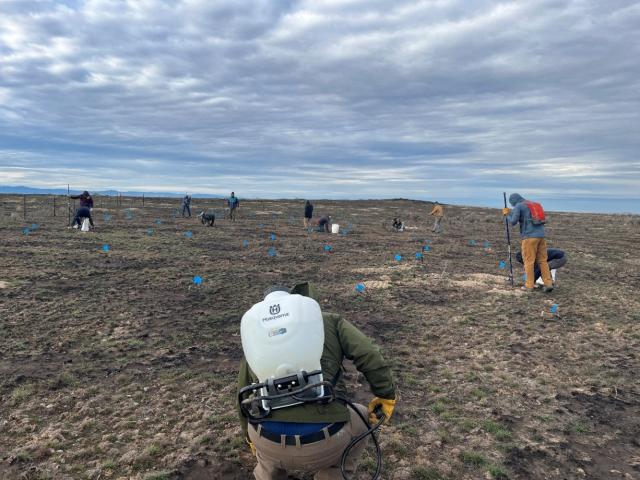
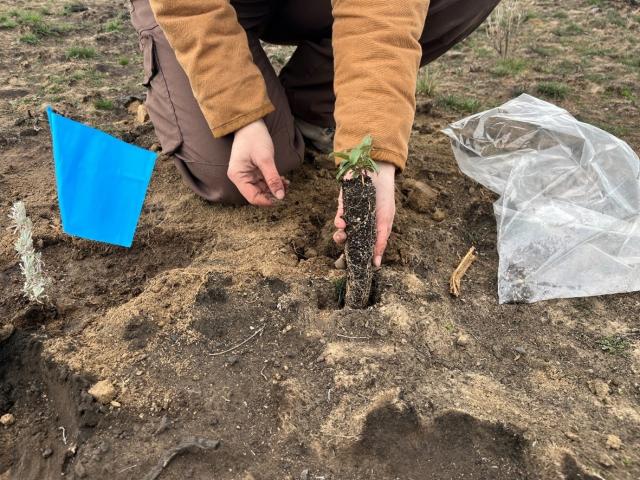
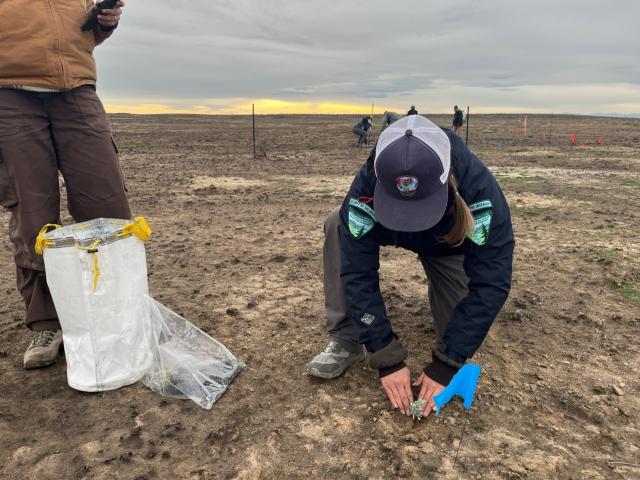
Next steps include aerial seeding of sagebrush across 18,000 acres, herbicide applications to control noxious weeds and invasive annual grasses across 5,7000 acres, additional seedling planting, rest from livestock grazing, and 4,800 acres of additional drill seeding in the fall of 2026.
These rehabilitation efforts rely on the dedicated work of Helen Meier of the BLM Boise ESR staff, who planned and coordinated drill seeding, and BLM Boise Botanist Gillian Wigglesworth, who coordinated hand planting. Additionally, gratitude goes to the BLM Boise Force Account and Fire personnel who carried out the seeding, BLM Twin Falls for supplying the rangeland drills, BLM’s National Seed Warehouse System, BOPP, and the Idaho Army National Guard for their ongoing coordination and support.
Related Stories
- Cultivating Stewards: ICC Crews and Interns Transform Idaho’s Public Lands in 2026
- BLM Opens New Campsites on Islands at Black Duck Lake
- Planting for the Future: BLM Staff and Volunteers Rebuild the Jupiter Inlet Lighthouse Shoreline
- Cottonwood Field Office and Extreme Adventure Club Strengthen Youth Engagement Through Annual Float Trip on the Lower Salmon River
- Sharing the Spirit of America: A Celebration on the Snake River Canyon Rim