

Sage-grouse

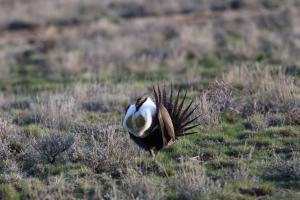
Sage-grouse in Springtime: Lands for a thousand dances

From early March through mid-May, greater sage-grouse use open areas of sagebrush steppe for breeding activities known as lekking.

More than the numbers: Evaluating progress for sage-grouse conservation

As manager of the single-largest share of U.S. sagebrush habitat, how does the BLM know whether its decisions and actions are protecting these lands in ways that support healthy populations of greater sage-grouse?

2022 | Next steps for greater sage-grouse conservation

Plans for conserving greater sage-grouse habitat on public lands were adopted in 2015 to avert a listing under the Endangered Species Act. Now, the BLM is considering what more can be done to reverse population declines.

Dillon Field Office improves wet and mesic meadow areas in priority sage-grouse habitat

Story by Alden Shallcross, State Lead - Montana/Dakotas Aquatic Habitat Management Program. Photos by BLM.

A sagebrush sea change from behind barbed wire

For some Americans, sagebrush is so ubiquitous it is forgotten — always in the background of the classic Westerns but somehow never looked at. Until now. Millions of acres of sagebrush land, managed mostly by the federal government because nobody else originally wanted it, have become a target for the largest, most ambitious habitat conservation effort in American history.