


Citizen Science
Ask | Observe | Support
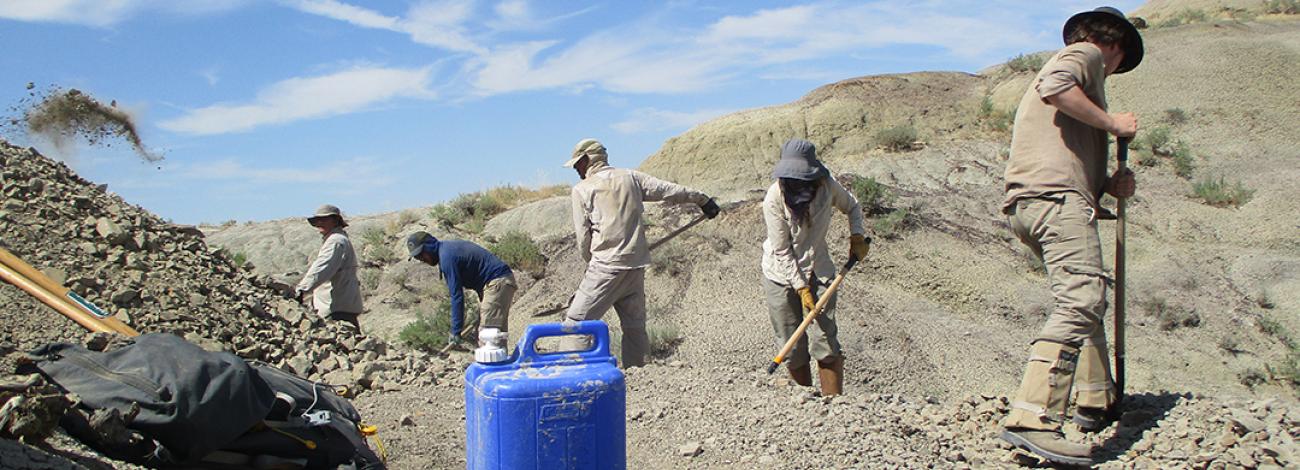
Do you like addressing real-world problems? With citizen science you can participate in the scientific process, formulate research questions, conduct scientific experiments, collect and analyze data, interpret results, make new discoveries, develop technologies and applications, and solve complex problems.
The BLM is thrilled when citizen scientists are willing to lend their time and expertise to monitor, map, and otherwise document resources, conditions, and trends. Opportunities include participating in a BioBlitz, an event that focuses on finding and identifying as many species as possible in a specific area over a short period of time, identifying bees and other insect pollinators in Alaska, repeating photographic documentation of National Conservation Areas of Colorado, and identifying and counting birds along the coast of California.
To learn about opportunities available near you, visit the Federal Crowdsourcing and Citizen Science Catalog, your local BLM Office, and check out the “Toolbox” resources on this page. Whether you already use programs like eBird, iNaturalist, or Nature’s Notebook, or would like participate in activities led by BLM staff or partners such as in the examples listed below, anyone can be a citizen scientist and no special training or expertise is needed.
The BLM’s new Citizen Science Action Plan provides additional examples of how citizen science can advance the agency’s mission and improve public land management, as well as more information on BLM goals, objectives, and actions for crowdsourcing and citizen science.
Join a BLM Citizen Science opportunity
1. Chronolog: repeat photography at established photo points
2. LandPKS: soil identification, land cover and soil health monitoring, land management and farm record keeping, and more
GreeningSTEM engages learners of all ages with practical lessons in science, technology, engineering, and math (STEM).
Citizen Science Spotlight
Every month is a new opportunity to participate in projects around the country on your public lands.
June/July Citizen Science Spotlight: Trash and Trails: Lend a Hand Any Day of the Year
Whether you're celebrating National Trails Day this year by volunteering for a trail clean up or simply enjoying a walk on your favorite path, you can help keep America’s trails clean and healthy by contributing to the Trash and Trails project on CitSci. This easy, anytime citizen science effort invites volunteers to record trail conditions, document litter, and support stewardship with just a few quick observations. Every entry—big or small—helps land managers better understand recreation impacts and protect the places we all love to explore. Check out the project at: CitSci.org
- March/April-International Dark Skies
Discover your public lands after dark—your observations help scientists track night skies. BLM sites offer some of the darkest and most spectacular night skies in the nation. Visitors come to these areas to experience the quiet, awe-inspiring beauty of the night, and BLM play’s an essential role in helping them experience natural darkness in a fun and safe way.
Globe at Night is an annual citizen science project that invites people to record & document night sky visibility using only their eyes and a smartphone.
These evening events help people slow down, look up, rediscover the natural night while learning about how to reduce their own night glow contributions.
Ways to Participate—Wherever You Are
You don’t need to be at a field site to contribute. Here are easy ways to support Dark Sky Week from any location:
Turn off unnecessary indoor or outdoor lights after hours.
Take a moment during the week to step outside, look up, and reconnect with the night.
Encourage your community contacts, volunteers, and partners to participate in citizen science projects.
Highlight night sky stewardship during outreach, environmental education, and upcoming events.
Whether you host an event or just switch off a light, your contribution supports a broader effort to protect the dark skies that make BLM public lands extraordinary.
This week, take a moment to go outside, dim the lights, and experience the night—and invite someone else to enjoy it with you.
Learn More
Each April, around the new moon, people come together to celebrate International Dark Sky Week, a global effort to raise awareness about natural darkness and the many ways light pollution affects human health, wildlife, ecosystems, and communities.