


BLM Showcases Local Recreation Treasures Ahead of National Hunting and Fishing Day
A collection of blue-ribbon streams and prime hunting grounds – considered hidden gems for fishing and hunting opportunities by those who know them – are hiding in plain sight across much of the country.
These hidden gems are public lands managed by the BLM, a multiple-use agency known more for oil drilling and grazing permits than for managing and maintaining exceptional wild game habitat.
The BLM wants to make sure hunters and anglers have plenty of options as we head into National Hunting and Fishing Day on Sept. 26, which is also National Public Lands Day, and beyond. In support of the EXPLORE Act and Secretary’s Order 3447, BLM is highlighting the value of outdoor recreation and align with these special observances. BLM invites all Americans outside to enjoy public lands and experience the benefits of health, wellness, and active living.
The BLM manages 245 million acres of public lands, mostly in the West, that are working landscapes supporting local economies where commercial operations co-exist with recreation and conservation. It is BLM’s multiple-use mission that allows these special places to exist, even thrive.
Over 99 percent of BLM-managed lands are open to hunting, fishing, and other outdoor recreation opportunities, including BLM national monuments and national conservation areas. Many of these national monuments and national conservation areas offer exceptional hunting and fishing opportunities because conservation-focused management helps sustain diverse habitats that support wildlife populations.
Hunting and fishing are foundational components of the Nation’s outdoor tradition. Expanding opportunities for the public to hunt and fish on BLM lands not only strengthens conservation outcomes but also supports access to America’s outdoor spaces.
Because multiple federal agencies manage national monuments under different mandates, many visitors assume the rules are the same everywhere. For example, while recreational fishing is widely allowed on federal lands, hunting may be prohibited in specific national monuments or other locations. The public may not necessarily know which agency oversees a national monument, and therefore what rules apply.
The BLM’s multiple-use approach allows for greater flexibility for hunting and fishing than some other agencies allow. Unless an activity is shown to be destructive to the objects, resources, or values the monument is meant to protect, then the activity is generally allowed. National monuments and national conservation areas can be misunderstood because each one was established to protect different resources and is managed by one of several federal agencies.
Examples of the outstanding opportunities to hunt and fish on our shared public lands are dotted across the West.
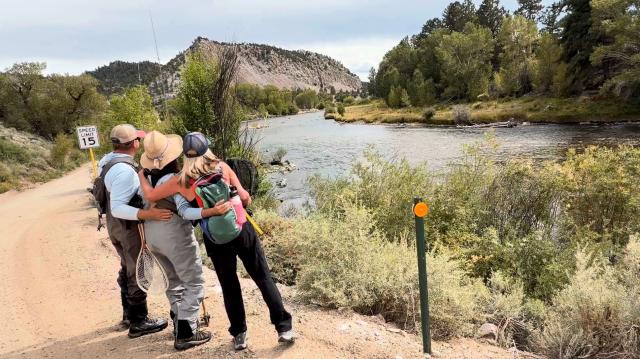
Bown’s Canyon in western Colorado is one. The Arkansas River is the life’s blood of the 21,586-acre national monument that boasts gold-medal trout fishing. Hunters go there for elk, mule deer, and bighorn sheep.
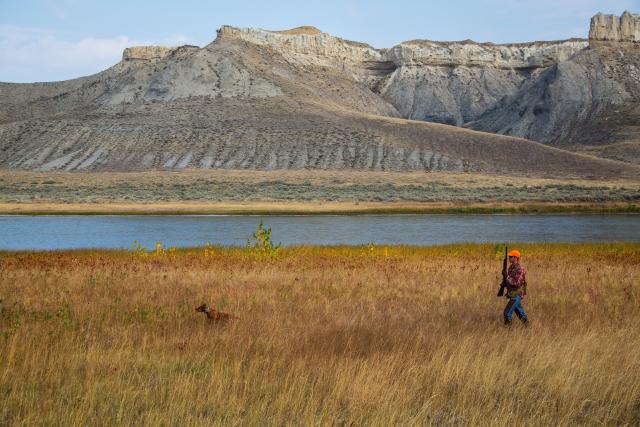
Another example is the Upper Missouri Breaks National Monument in north central Montana, which is best known as Lewis & Clark country, but hunters find bighorn sheep, elk, and pronghorn among the big game species there. Game birds such as sharptail grouse, grey partridge, and pheasant are also hunted there. Approximately 150 miles of Wild & Scenic River cuts through the 377,000-acre monument providing fishing access.
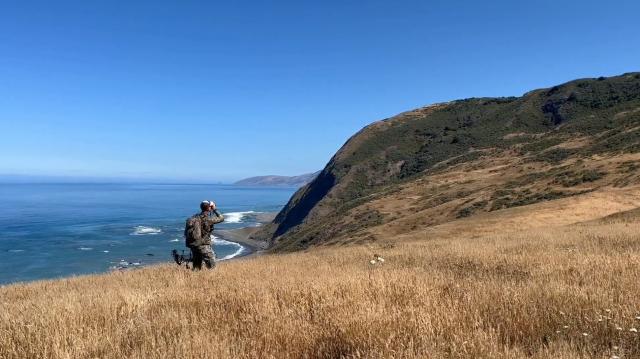
In California, there’s the King Range National Conservation Area, which Congress designated to protect 35 miles of Pacific coastline approximately 200 miles north of San Francisco. This area is managed for recreation that includes hunting, surf fishing, horseback riding, and more. Hunters go there for quail, black bear, deer, and turkey.
There are many more. But how does the public know which national monuments and national conservation areas are open to hunting and fishing?
The best advice is to call the BLM field office where the lands are located. Someone there will know about the area you’re interested in. But anglers and hunters should keep in mind that states manage hunting and fishing with their own rules about seasons, licenses, and so-forth. If the wildlife you’re hunting is out of season in your state, then you are out of luck.
When people know the many ways they can enjoy public lands, they’re more likely to embrace healthier, more active lifestyles. Across the bureau, the BLM is working to make it easier for visitors of all ages to explore, learn, and connect with the landscapes we manage—while supporting key efforts in recreation, stewardship, education, and workforce development.
Wherever you are, the BLM encourages all Americans to get outside and uncover the hidden gems that make public lands unique.
Related Stories
- Celebrating 30 Years of California Condor Recovery at Vermilion Cliffs National Monument
- BLM Fishing Derby brings Americans Outside for recreation and stewardship in Imperial Valley, California
- Postcards Become Monthly Creative Tradition at Red Rock Canyon National Conservation Area in Nevada
- Healing Hooves: How a Once‑Wild Burro is Bringing Joy Across Pennsylvania and Competing Nationally
- Gallant: A BLM mustang with a bright future