


Ryan GosWING Wins BLM’s 2026 Bat Beauty Contest
For years, the Bureau of Land Management (BLM) has celebrated Bat Week, held annually during the week leading up to Halloween, with a Bat Beauty Contest in partnership with Bat Conservation International.
From oversized ears to frosted fur to memorable names, this year’s contest featured a variety of species, including Townsend's big-eared bats, pallid bats, hoary bats, western small-footed bats, big brown bats, and others. Each species represented in the contest shows just a small sample of the incredible diversity of bat species that inhabit public lands.
While the Bat Beauty Contest is held in good fun, Bat Week carries an important message. Bats play a vital role in ecosystems by consuming insects, pollinating plants, and supporting environmental health.
Plus, many bat species rely on caves, abandoned mines, forests, grasslands, deserts, and other landscapes managed by the BLM. The BLM manages wildlife and wildlife habitat on public lands using a multiple-use and sustained-yield approach. Established under the Federal Land Policy and Management Act, this framework helps maintain healthy wildlife populations while balancing conservation with recreation, resource use, and other public land values.
Through partnerships, the BLM provides bat roosting and foraging habitat and supports other bat conservation efforts. The BLM also uses bat-friendly closures on abandoned mines to help bat populations.
With all that, it is only natural that the BLM highlights these bats.
Throughout Bat Week, the public followed head-to-head matchups on the BLM’s Facebook, Instagram, and website, casting votes for their favorite contestants. Creative names and eye-catching photographs helped introduce audiences to species they may never have encountered before, transforming bats from spooky symbols into fascinating wildlife ambassadors.
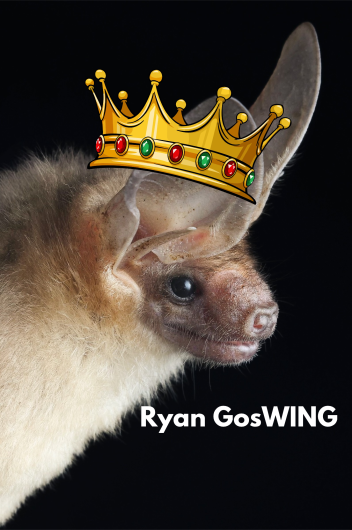
Starting October 24 through the end of the week, the BLM got more than 3,300 votes for all bats. The winner, Ryan GosWING, was announced on Halloween after going head-to-head with Batty White, the fabulous golden girl of bats.
Clearly, Ryan GosWING had us at “I’m just Bat.” This pallid bat heartthrob stole our hearts and flew straight into the winner’s circle. Looks like he’s officially the bat we can’t stop thinking about!
Thank you to everyone who voted in the Bat Beauty Contest and helped spread the word during Bat Week!
Want to help bats shine?
- Plant native flowers
- Reduce pesticide use
- Keep noise levels low near roosts
- Avoid disturbing bats in their resting spots
To learn more about bats and Bat Week conservation efforts, visit the BLM’s Bat Week webpage. For more information and updates on next year’s contest, follow the BLM on social media.
Meet the winged wonders that made this year's contest unforgettable. And remember, bats are more than just adorable faces.
Ryan GosWING
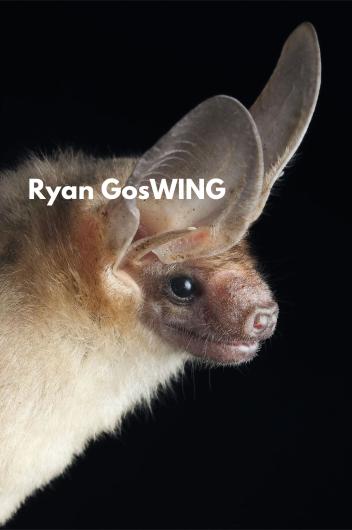
Ryan Goswing knew he was more than Kenough to win this Bat Beauty Contest.
Pallid bats (Antrozous pallidus) like Ryan aren’t just pretty faces, they’re also talented pollinators of cacti and agave. They hunt primarily by sound, using their large ears to listen for prey moving on the ground.
To support pallid bats and ensure they never need to throw a Hail Mary, please be aware of your noise pollution levels when recreating on public lands where this special species is known to live.
Can you feel the Kenergy?
Batty White
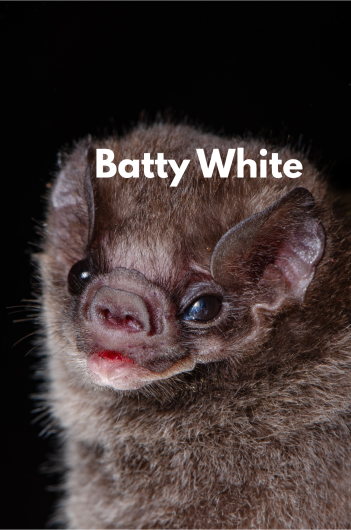
She's hairy. She's leggy. Meet Batty White! Named for an icon who proved that staying fabulous forever is always in style.
Batty is a hairy-legged vampire bat (Diphylla ecaudata), one of only three vampire bat species on the planet. That’s an exclusive club! This nocturnal golden girl spends her nights roosting in cozy hideaways from Mexico through Central and South America and sipping on her preferred vintage: bird blood. Forget the cheesecake, darling.
That signature leg fuzz isn't just a beauty statement. Scientists think it may help her sense vibrations and navigate while climbing around in the dark to find her next meal.
Beauty, brains, and built-in night vision vibes? That’s one multi-talented queen.
Thank you for being a bat, Ms. White.
ChewBATca
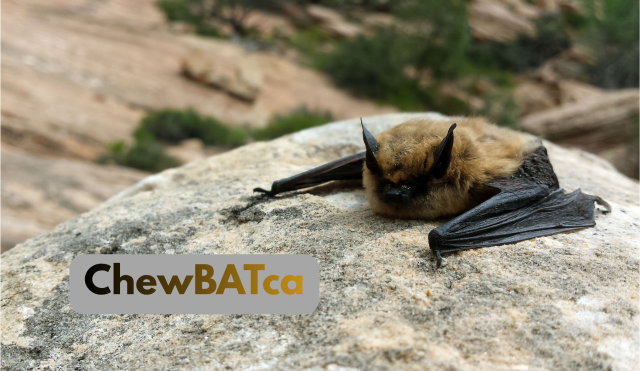
The best co-pilot any scoundrel could ask for, ChewBATca is the most adorable little fuzzball, and no one is going to move this flying carpet out of the way. He gives serious Wookiee vibes.
The big brown bat (Eptesicus fuscus) is one of the most widespread bats in North America, found from Canada through the United States and into Central and northern South America. They are mainly found in forests, cities, farmland, and suburban areas and are known to roost in tree hollows, caves, rock crevices, barns, attics, and other structures.
A single big brown bat may consume 1,000-plus insects per night, but don’t worry, he doesn’t pull people’s arms outta their sockets when he loses.
Count Frostula
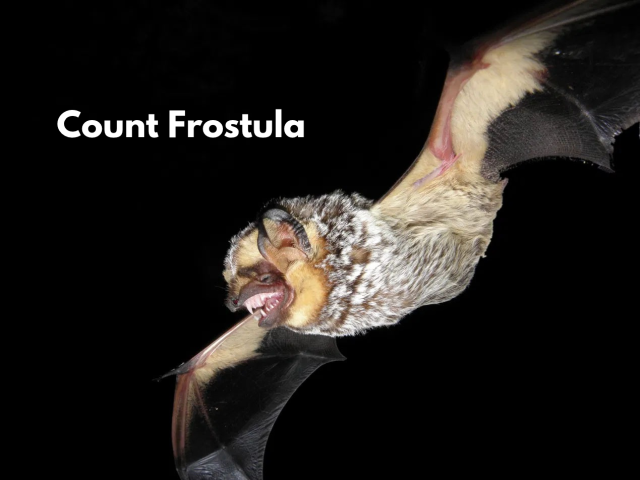
Count Frostula, the hoary bat (Lasiurus cinereus), has been frosting his tips since before it was cool. And it looks great on him. Really. Truly. Great.
“Hoary” means grayish white, and that silver-tipped fur gives the Count a vibe best described as “vampire who peaked in a 2003 mall photo booth.” He skips the castle and roosts alone in tree foliage, wrapped in his furry tail membrane like a cape. He did not buy the cape. He grew the cape. Please stop asking about the cape.
The hoary bat is one of North America’s largest and most widespread bats, recognized by its frosted brown-and-white fire and found across most of the continent.
Chappell Flown
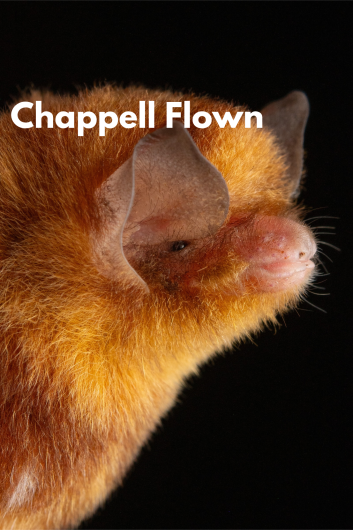
It’s your favorite bat’s favorite bat! Introducing… Chappell Flown.
This feminomenon is a Mexican greater funnel-eared bat (Natalus mexicanus), named for its uniquely shaped ears. These insect-eating, vibrant-haired icons form colonies of up to 300 bats, creating real Pink Batty Clubs in caves across the Americas.
Next time you see a bat after midnight, remember: She’s not just serving looks wearing glitter and lashes, she’s serving the ecosystem. Bats are unsung pop stars devouring pests, pollinating plants, and dispersing seeds.
She gets the job done! She is the giver.
Dolly BATton
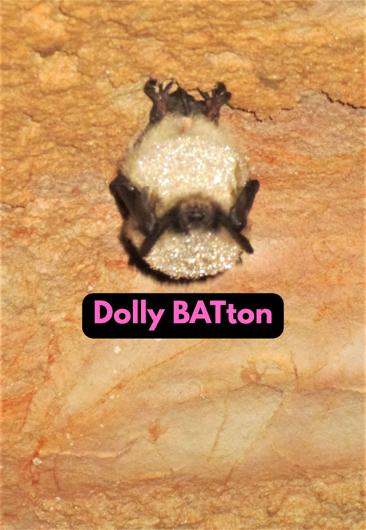
Ya’ll, put your paws together for Dolly BATton, the western small-footed bat (Myotis ciliolabrum) with a voice for the ages and wings made for stardom!
Working 9-5? Dolly’s working dusk to dawn!
This tiny night flyer takes to the skies to hunt insects like moths, flies and beetles. She may have small feet, but she’s got some big-time talent, using echolocation to navigate and find her next meal.
Talk about a little lady with a whole lot of range!
The Three MusketEARs
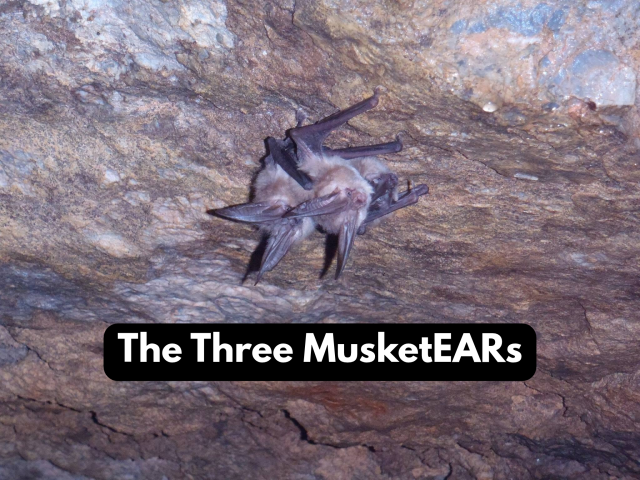
The BLM introduces the Three MusketEARs, a trio of Townsend’s big-eared bats (Corynorhinus townsendii) ready to swoop in and steal your hearts.
Townsend’s big eared bats are North American vesper bats known for their extremely long ears, broad western range from British Columbia to Mexico, and preference for caves, mines, and abandoned buildings as roosts. These agile fliers venture out to forage only after dark, using their keen echolocation to hunt moths and other insects.
Townsend's big-eared bat may be best known for its oversized ears, but during hibernation those ears are carefully tucked away, curling into shapes that resemble miniature ram's horns, according to the Arizona-Sonora Desert Museum.
En garde! These bats were ready to duel for the crown in this year’s Bat Beauty Contest.
Guano Reeves
Who needs swords? Guano Reeves knows kung fu. Jiu jitsu. He is a bat of focus, commitment, and sheer will.
Will you take the blue pill and remain the same, or take the red pill and wake up to the reality that this little guy is your favorite?
With their signature oversized ears and agile flight, Townsend’s big-eared bat are true icons of the western night skies. From the arid desert scrub to the cool pine forests, they quietly emerge after sunset, using expert echolocation to track down moths and other insects.
During winter, Townsend’s big-eared bats hunker down in caves and abandoned mines, relying on undisturbed roosts to safely hibernate. Sadly, their populations have declined in many areas due to habitat disturbance. Protecting their roosting sites is key to ensuring these unique bats continue to thrive.
With their impressive ears and nighttime navigation skills, Townsend’s big-eared bats are always ready to impress, especially in any Bat Beauty Contest!
Related Content
Related Stories
- BLM’s Meadowood Special Recreation Management Area Celebrates 25th Anniversary
- Celebrate Halloween with Bat Trivia on BLM-Managed Lands
- Tracking Bats Across Big Skies: BLM Lands Help Expand Montana’s Motus Network
- Rose Guano Cave Important Stop for Migrating Bats on BLM-Managed Public Lands in Nevada
- Beyond the Badge: Protecting People and Public Lands
Office
1849 C Street NW
Washington, DC 20240
United States