BLM Billings Field Office Completes Dilworth Creek Riparian Restoration Project
On May 29, Bureau of Land Management Billings Field Office staff and volunteers from the Montana Conservation Corps carried out a streambank stabilization and woody species restoration project on Dilworth Creek in Carbon County, Montana. The effort aims to enhance riparian resilience and ecological function after substantial erosion caused by the 2021 Robertson Draw Wildfire, which burned about 29,000 acres along the Montana and Wyoming border.
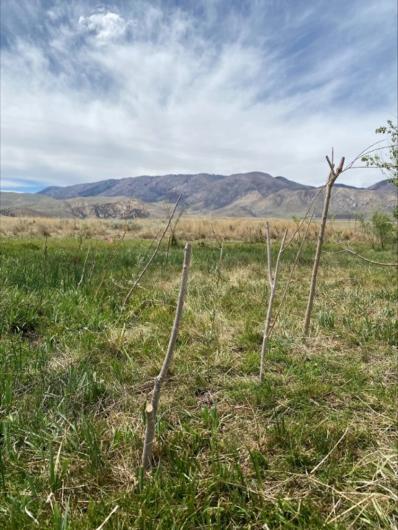
The restoration efforts involved planting approximately 300 “live stem cuttings” or “live stakes.” This initiative was designed to reestablish native woody species along the creek and enhance its ecosystem services. The newly planted stems provide streambank stabilization, which helps control erosion and reduces peak flow of spring water runoff. These actions also contribute to stormwater management and the restoration of riparian habitats. Furthermore, the restoration helps the creek by shading and cooling stream water temperatures, which is beneficial for freshwater organisms living within the ecosystem.
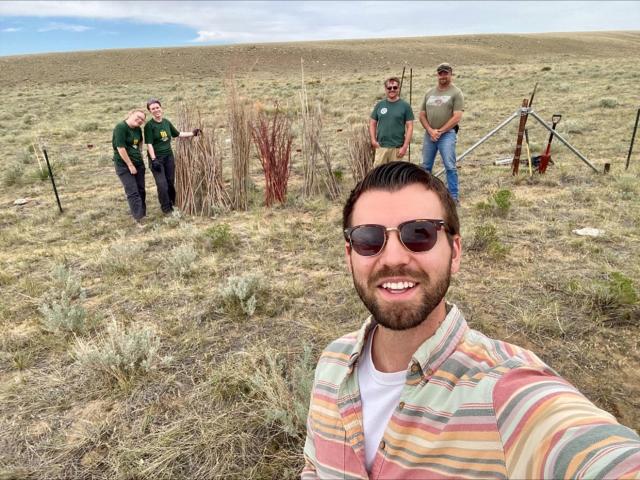
Live stem cuttings were planted across 13 acres of Bureau of Land Management lands. The species chosen for this effort included Narrowleaf Cottonwood (Populus angustifolia), Chokecherry (Prunus virginiana), Golden Currant (Ribes aureum), Red Osier Dogwood (Cornus sericea) and Sandbar/Narrowleaf Willow (Salix exigua). All selected species are native woody plants that naturally occur within the Dilworth Creek watershed. To ensure that the plants are well-adapted to the local environment, the cuttings were harvested from nearby sources, preserving locally adapted genetics.
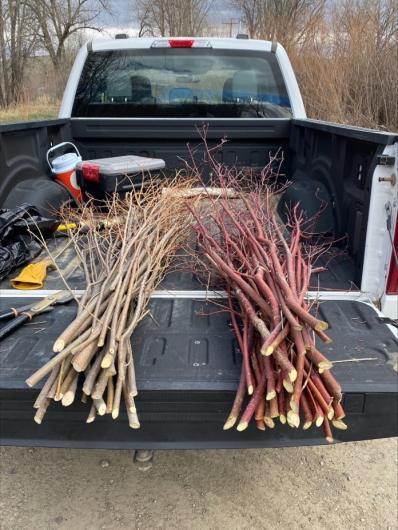
The planting process utilized low-tech techniques, relying exclusively on hand tools rather than heavy machinery. This approach significantly reduces soil disturbance, helps prevent erosion and minimizes soil compaction during restoration activities. The live stem cuttings were harvested while the plants were dormant and kept refrigerated to maintain dormancy until planting, ensuring optimal conditions for successful establishment.
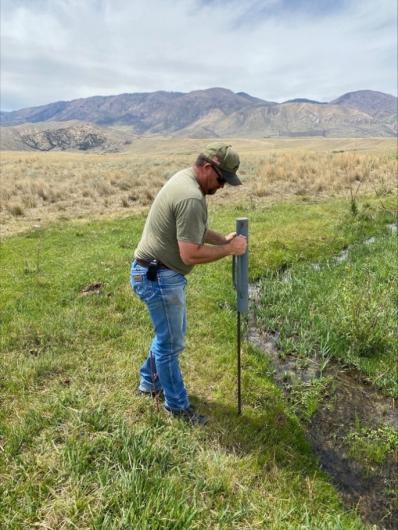
Woody species such as Willow (Salix), Cottonwood (Populus), and Red Osier Dogwood (Cornus) are easily propagated from dormant live cuttings as these species have naturally high levels of a plant hormone called Auxins which stimulate root formation.
These species are ideal for riparian restoration efforts, because they root easily from dormant cuttings. Their high auxin levels promote root growth, helping stem cuttings establish new plants in suitable conditions. Planting live stem cuttings provides a low-cost method of vegetation restoration and improves streambank stability.
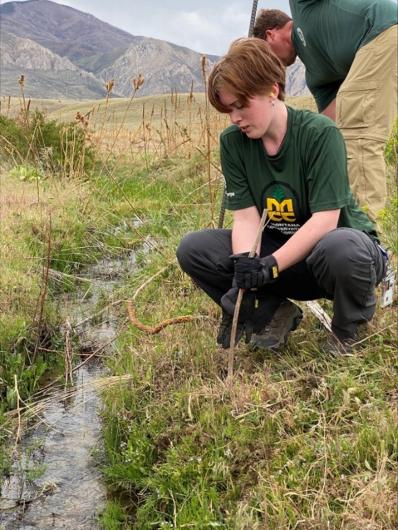
Following planting, the live stem cuttings are expected to exit dormancy and will bud and begin to produce leaves drawing on stored energy and nutrient reserves. As this process occurs above ground, the moist soil in contact with the buried stems will begin to produce roots within two to three weeks. The Billings Field Office plans to monitor bank stabilization and the establishment of woody species along Dilworth Creek, a process that may require several years before highly visible results appear. These efforts aim to restore riparian ecosystem services and improve air quality, water quality, and habitat for wildlife. Although the Robertson Draw fire has left lasting scars and erosion on the landscape, our mission is to accelerate the riparian recovery of Dilworth Creek one “live stake” at a time.