


From classroom to community impact: National Honor Society students strengthen safety for BLM’s mission critical operations
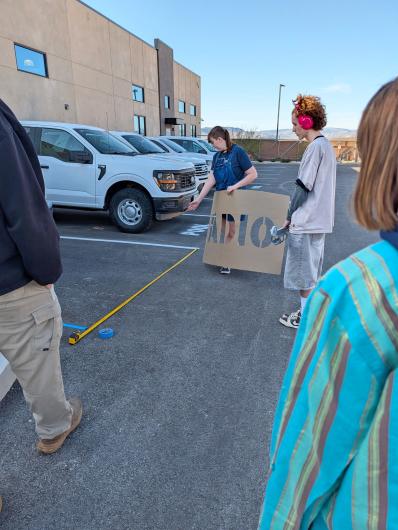
Utah Arts Academy Honor Society students recently stepped out of the classroom and into the community, teaming up with the Bureau of Land Management (BLM) Arizona Strip District to support safer and more efficient fleet operations.
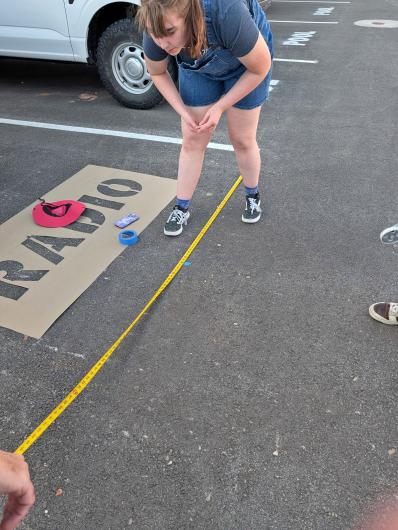
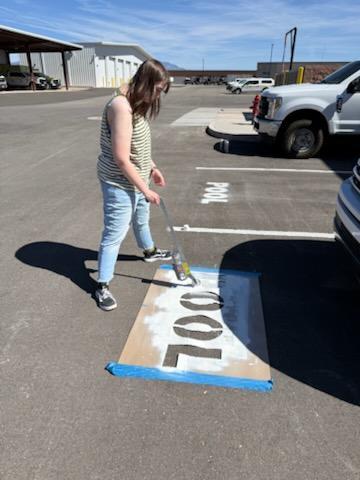
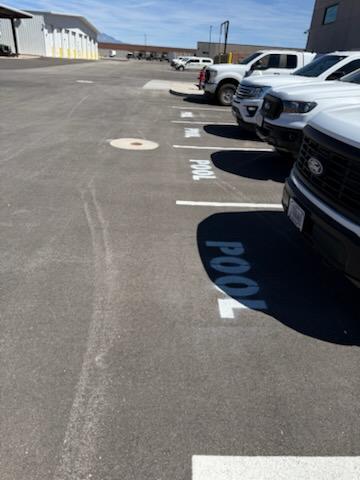
Their project — refreshing and repainting vehicle parking lines — improvements that provide organization in a busy operations yard, reduces congestion, and supports the BLM’s ability to keep essential work moving forward.
Their work brings benefits to several of the BLM’s mission critical programs, including wildland fire, law enforcement, and field resource management. Clear, student-painted parking lines help crews deploy safely and quickly, especially during fire season, when every second counts.
The project also reduces the risk of vehicle congestion or accidents, contributing to smoother, safer workflow for all teams operating across the BLM Arizona Strip.
What sparks teen service
Why would a dozen high school students give up a couple of Saturdays and volunteer their time and effort when their days are already so full? Today, students are busy not only with classes and studies, but many also participate in extracurricular clubs or organizations.
For Sara Monger, who spearheaded the project, a usual day is full of a steady stream of tough classes like AP calculus and AP physics. She also sprinkles in work as the president of the yearbook and the honor society, and she enjoys being part of the Next Level Improv Company. Yet she and her peers still carve out time for service.
For Sara, who led the project with a group of her peers, making time for service is worth the reward — a gratifying sense of accomplishment.
“I think it really helps you connect with your community as a whole, but it also brings you the satisfaction that you can do hard things in stepping back and seeing the quality of work you were able to give,” she said.
Monger organized the project as the president of her high school’s National Honor Society (NHS), an organization that encourages students to seek opportunities to serve, plan events, and provides the support for those events. Sara was drawn to the honor society at the Utah Arts Academy for numerous reasons.
“It’s a society of people who are interested in academics and keeping good grades and want to help the community, so I knew was going to be around good people,” she said.
Over the past three years as a member of the NHS, Sara and her peers have put a great deal of good into their community, from food and clothing drives to supporting community events and visiting skilled nursing facilities during the holidays to spread a little cheer.
This year, Sara’s service as group president has been focused on helping her peers succeed. The NHS's goals align with its four pillars: scholarship, leadership, character, and service.
“As president this year for our school's National Honor Society, Sara has stepped into her leadership role not only by leading meetings, but also by organizing service projects to help her peers gain valuable service experience,” said Utah Arts Academy educator Amy Clyde.
NHS members have a goal of 40 service hours per school year.
“Sara completed that goal at the beginning of the year, so these projects she is organizing are to help her peers achieve their 40-hour goal,” said Clyde. “I am impressed with Sara's leadership in organizing these community service projects, not only to help our community but to help her fellow NHS members. Sara is an excellent leader and friend to all!”
Gaining from the four pillars of the National Honor Society
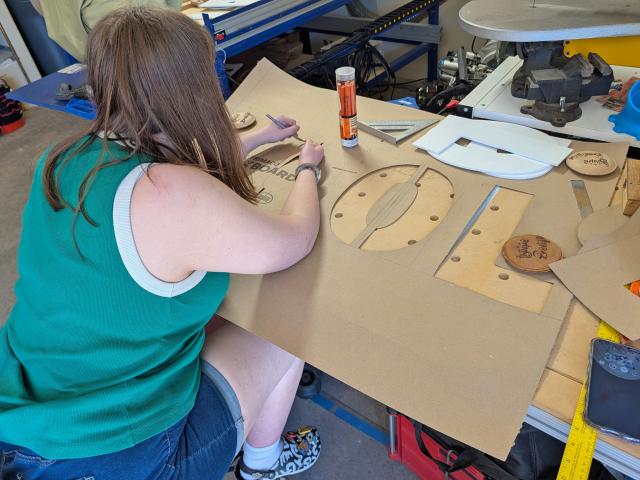
Sara values the learning that’s come from her experiences in providing service through NHS. She said she learned a lot from the project for BLM, “I don’t typically have to manage people. This time around I learned how much forethought and communication goes into planning an event and testing to ensure the project work is done right,” Sara said.
She also said she learned how to organize everything “in a way that people would be interested in participating in the project and know how to carry it out.” Sara gained great insight from a team of her peers she assembled to help plan on how best to manage the activity as well.
“It’s helped me understand what I’m missing — and work through some of the details I might have missed, like how many people we need for each portion of the project — they help me see my blind spots and it makes it easier to share the workload. It’s been good to see what other people bring to the table,” Sara said. “Collaboration allows you to bring so much more to the table and makes the quality a lot better with multiple contributions.”
The volunteer spirit — how those who give also receive
Sara has enjoyed giving in creative ways.
“You always want to push yourself and look for ways to make things better, and ask, ‘What’s something different I can contribute to my community or society?’” Like many volunteers, Sara finds fulfillment in giving service. “It’s really nice, you get such a deep satisfaction in helping people and meeting them where they are and helping the way you can,” she said. As a graduating senior, Sara encourages other students to be a part of something bigger, like providing service.
“It helped give me more opportunities — it’s really help me develop a sense of myself —what makes me satisfied and the things that bring true joy. It’s giving me the opportunity to keep pushing myself and keep learning,” she said.
By improving organization in a busy operations yard, students helped save time, reduce congestion, and support the BLM’s ability to keep essential work moving forward.
“These students brought incredible energy and professionalism,” said April Rabuck, Bureau of Land Management acting Arizona Strip District Manager.
“Their attention to detail directly supported safer operations and helped us stretch taxpayer dollars further. We’re grateful for their partnership and proud of what they accomplished,” Rabuck said.
Find purpose and meaning in every act of service
As our nation nears its 250th anniversary, the BLM and other Department of the Interior agencies invite you to help protect wildlife, preserve cultural treasures, and keep our trails thriving. Volunteers support BLM in a variety of roles, including:
Cultural heritage monitoring
Campsite hosting
Visitor support and education
Habitat restoration and maintenance
Leading tours and interpretive programs
Litter cleanups
Volunteers who contribute 250 hours of service qualify to receive an America the Beautiful annual pass. Every hour, every minute and effort matters! To find opportunities near you:
Visit Volunteer.gov to explore federal volunteer openings.
Contact your local BLM office or visit BLM.gov to locate an office near you.
Connect with local partner or Friends’ groups who support BLM lands.
Related Stories
- One Mile Closer
- Celebrating National Public Lands Day across the High Desert District in Wyoming
- BLM National Public Lands Day tradition continues in Roswell, New Mexico
- Pipestone Roars to Life as Community Comes Together for National Public Lands Day
- Signs of Collaboration: Protecting Tortoises on Arizona Public Lands
Office
4001 East Aviator Drive
St. George, UT 84790
United States