


Students remove 300 pounds of invasive plants at Jupiter Inlet Lighthouse Outstanding Natural Area
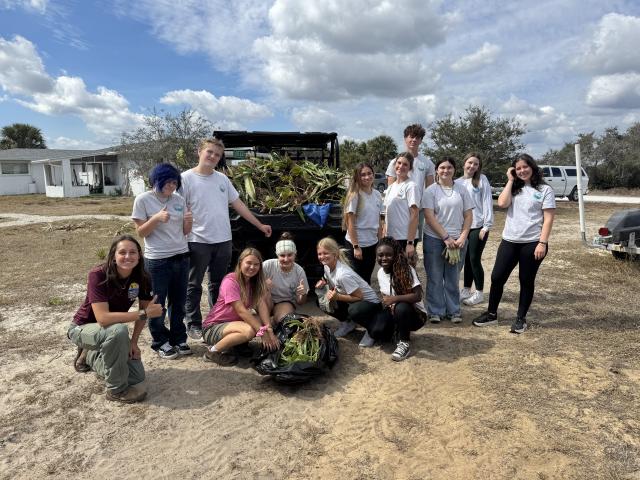
Invasive plant species are persistent threats to natural ecosystems across the country, often creeping into sensitive habitats and outcompeting native vegetation. At the Jupiter Inlet Lighthouse Outstanding Natural Area in Jupiter, Florida, controlling these invasives is largely a hands-on effort—and it’s no small task. Fortunately, the partnership with the Jupiter Environmental Research and Field Studies Academy (JERFSA) at Jupiter High School, which created the “Enviroservice workday,” continues to bring enthusiastic sets of hands to the task, from sophomore students eager to protect their local environment and learn more about our work.
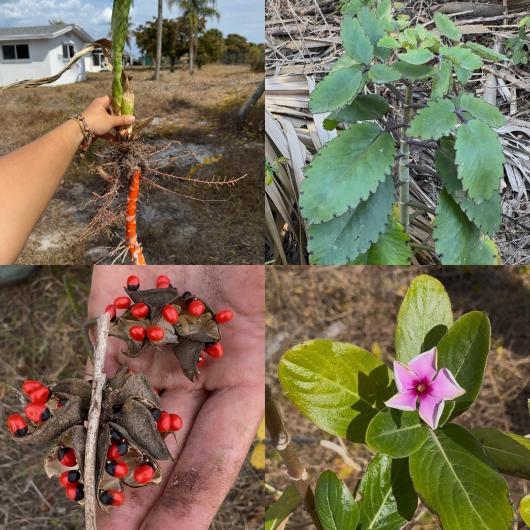
During their workday, students targeted several invasive plant species that are spreading aggressively on the property, including snake plant (Dracaena hyacinthoides), mother of millions (Kalanchoe pinnata), rosary pea (Abrus precatorius), and Madagascar periwinkle (Catharanthus roseus). Working in groups, they tackled key areas where these species have taken hold, learning effective removal methods along the way.
This hands-on training was especially important for removing invasives like snake plant and mother of millions, which can regenerate from even a single leftover leaf, stem, or root fragment. Snake plant, in particular, grows through resilient horizontal root systems capable of producing new plants within just 4–8 weeks. With their growing knowledge, students carefully dug up plants using shovels and trowels to ensure complete removal of roots and regenerative tissue.
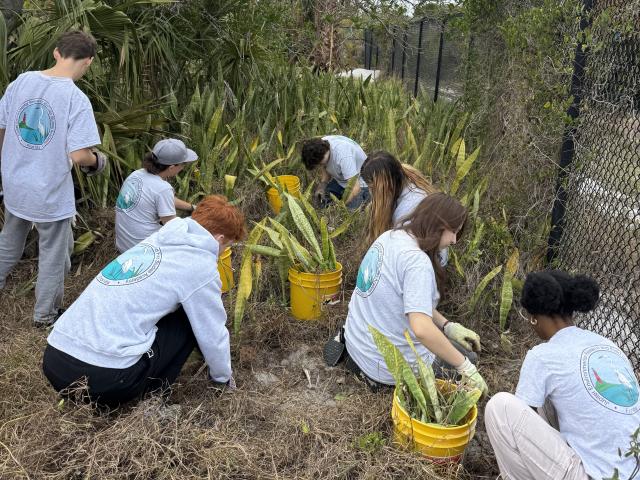
By the end of the Enviroservice workday, students removed an impressive 300 pounds of invasive plant material. In one area along the property’s fence line, they cleared a 200‑square‑foot patch dominated by snake plant. Along nearby trails, they removed a thriving population of mother of millions, preventing an estimated 1,400 new buds from taking root. Their efforts will give native species—including wild coffee (Psychotria nervosa), lime prickly ash (Zanthoxylum fagara), cocoplum (Chrysobalanus icaco), and golden polypody (Phlebodium aureum)—the space and resources they need to rebound.
“It’s important that we control invasive species because if we don’t, we will not have our native species around,” one student shared. “With no predators to control invasive species, they will continue to thrive while our natural ecosystems won’t.” Another student added, “I’m excited that today we took initiative to help control invasive species at Jupiter Inlet and hope to see native species thriving here again.”
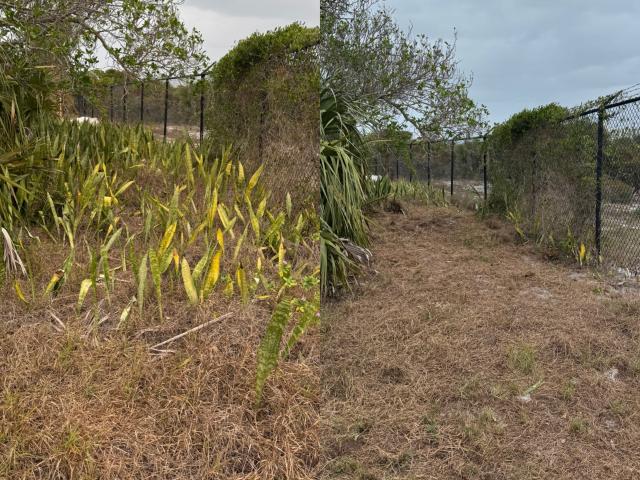
Each time JERFSA students join BLM staff for an Enviroservice workday, not only is the environmental impact they are having significant, but they are also getting to see firsthand how the issues they study in class play out in their own community. Through their hard work removing invasive species, these young conservationists are helping protect the unique biodiversity of the Jupiter Inlet Lighthouse Outstanding Natural Area for generations to come.
Related Stories
- One day, one goal: caring for El Malpais National Conservation Area
- National Public Lands Day Paddles, Plants and Caves: BLM Connects Milwaukee Youth with the Outdoors
- National Public Lands Day Volunteers Revitalize Dean S. Reservoir in Montana
- Using Beavers as Partners in Riparian Habitat Restoration in Las Cienegas National Conservation Area
- Celebrating 30 Years of California Condor Recovery at Vermilion Cliffs National Monument
Office
273 Market Street
Flowood, MS 39232
United States