


Oklahoma Field Office celebrates the certifications of five Petroleum Engineering Technicians
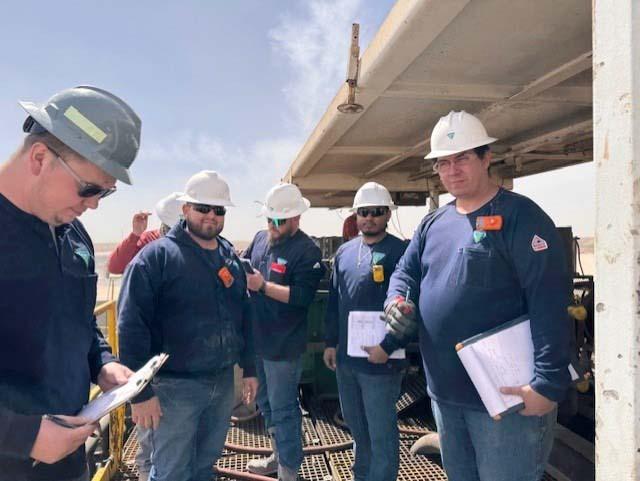
BLM Oklahoma Field Office employees Micheal Balliet and Ashley Babb served as instructors at Module 4 of the Petroleum Engineer Technician (PET) certification course in Oklahoma City in June. In addition to the instructors, the Oklahoma Field Office had four petroleum engineering technicians in the training.
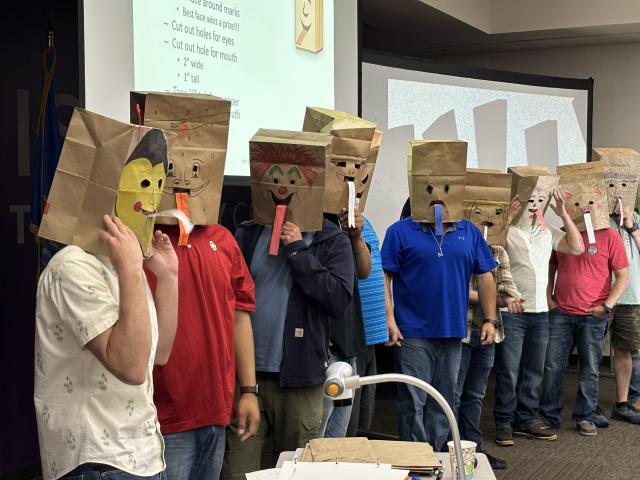
All newly hired PETs must first complete a formal mathematics course, preferably at a local community college, before attending the 3100-01 Oil and Gas Compliance Certification School modules.
Each module is two weeks long and the course consist of six modules over a year’s time. The total duration for the series of modules encompassing formal training is usually followed by a period of on-the-job training and preparation for certification.
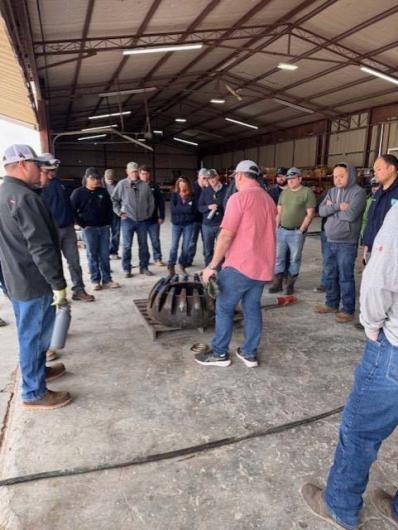
A BLM PET’s job involves balancing industry needs with regulatory requirements. Essentially, PETs ensure compliance with Federal regulations and policies related to oil and gas operations either on public lands or Federal sub-surface minerals.
PETs evaluate applications for permit to drill, perform site inspections and monitor operations to prevent spills, contamination, and other environmental hazards. They also advise industry operators, landowners, and stakeholders on Federal oil and gas regulations. In addition, they maintain detailed records of well production, drilling activity, and compliance status to support industry operations and Federal decision-making.
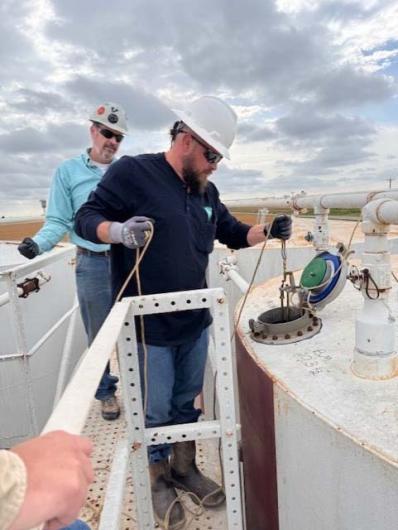
“It was awesome to see the representation from the Oklahoma Field Office at the training. Ashley and Micheal both did a great job presenting, and it was nice to have four students in the module,” said acting BLM Oklahoma Field Manager Evelyn Rodriguez.
The Oklahoma Field Office currently has 12 PETs who conduct inspections across Oklahoma, Kansas and Texas, as well as provide oversight to Indian mineral owners.
Related Stories
- BLM National Public Lands Day tradition continues in Roswell, New Mexico
- September Lease Sale Energizes BLM’s Mission and Our Teams
- Plugging the Past Bodes Wells for Future Development
- Strengthening Partnerships: BLM Connects with Industry at Key Oil and Gas Meetings in Ohio and Pennsylvania
- Volunteer sees cycle of stewardship through her work on historic cave
Office
201 Stephenson Parkway
Suite 1200
Norman, OK 73072
United States