


The power of storytelling: Turning history into meaningful, modern lessons
At the National Historic Trails Interpretive Center (NHTIC) in Wyoming, storytelling is more than a technique; it’s one of our most powerful tools for connecting people to their public lands. The NHTIC is a cooperative partnership between BLM, the National Historic Trails Center Foundation, and the City of Casper, Wyoming. Our mission is rooted in interpreting the significant role of the area's historic trails through exceptional educational and visitor programs.
Storytelling is how we turn that mission into moments that stay with visitors long after they leave.
Why Storytelling Matters
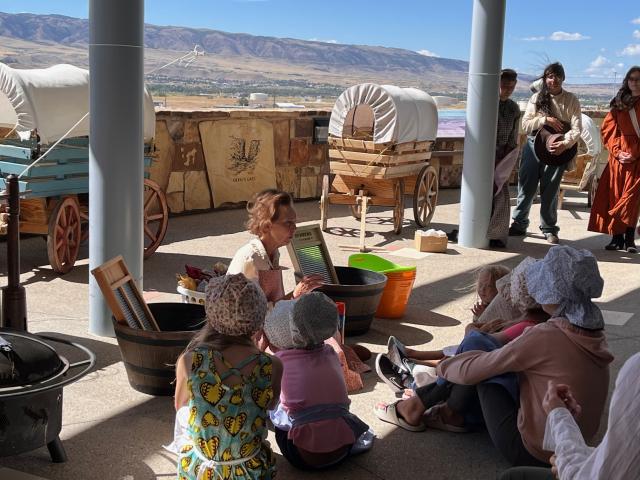
Good interpretation does more than relay facts. It gives meaning, emotion, and modern relevance to history. When an interpreter shares the experience of an emigrant crossing South Pass or a Pony Express rider braving the high plains, visitors don’t just learn, they feel. Through those stories, they begin to understand why the Oregon, California, Mormon, and Pony Express Trails represent courage, community, perseverance, and the shared heritage that shaped the nation.
Storytelling transforms history from something distant into something personal.
“Our team at the NHTIC pours their heart into this work every day," said Jessie Horn, NHTIC Manager. "They aren’t just sharing history - they’re helping visitors discover their own connections to the past. Their passion for storytelling, education, and public lands is what transforms a simple visit into a meaningful experience."
Connecting Stories to Today’s Mission
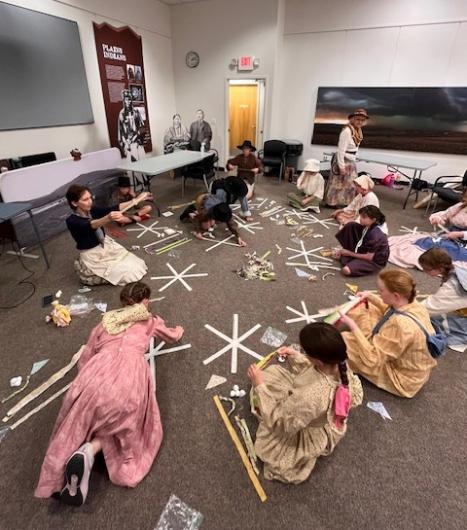
Our stories don’t stop in the 1800s. Interpreters help visitors see how historical choices still influence modern public land decisions, reminding them that the landscapes emigrants crossed are the same lands we manage today.
This aligns directly with the Federal Land Policy and Management Act (FLPMA), which guides the BLM in managing public lands for multiple use, sustained yield, scientific stewardship, and future generations. Through storytelling, we connect past land use with today’s priorities: responsible recreation, conservation, energy development, cultural preservation, and community partnerships.
Stories help visitors understand that public land management isn’t just policy; it’s a continuation of the American story.
Supporting Bureau and Administration Priorities
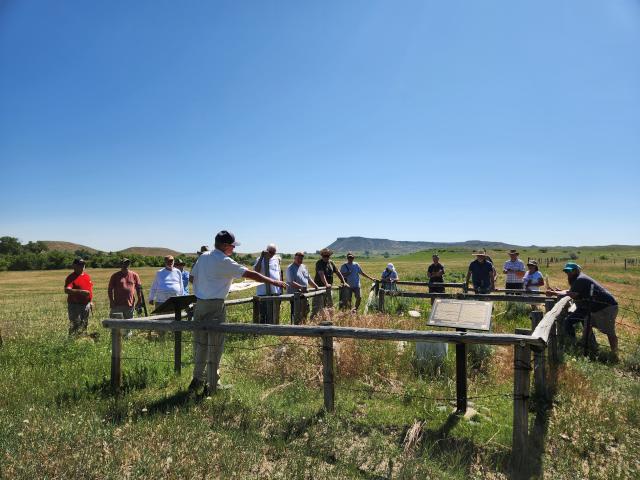
Storytelling also reinforces BLM wide priorities by highlighting how public lands support recreation access, strengthen community connections, and promote healthy, sustainable landscapes.
Interpreters make these priorities relevant by:
• Helping visitors understand why responsible recreation matters
• Showing how conservation protects the same landscapes families have crossed for generations
• Inspiring youth to see themselves as future stewards and public servants
When visitors understand why these efforts matter, they become active supporters of the mission.
Shaping the Next Generation of Stewards
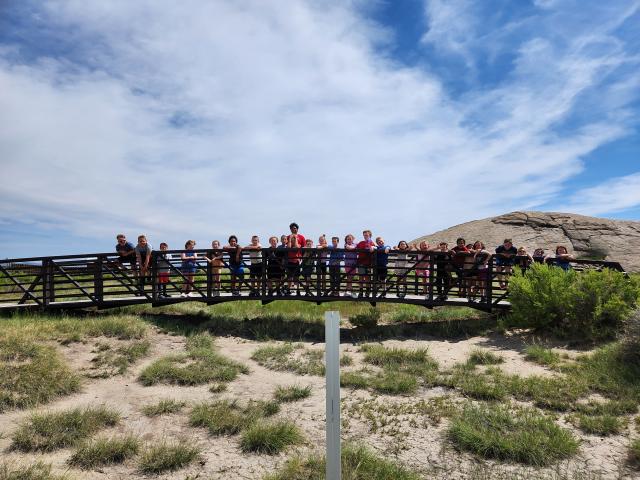
Storytelling builds connection, and connection creates stewardship. Whether it’s a school group hearing their first trail story, a family discovering an ancestor who traveled west, or a visitor learning about FLPMA for the first time, interpretation empowers people to care about the places they share.
At the NHTIC, storytelling isn’t just part of our programs. It is how we help the public understand their role in shaping the future of America’s public lands.