


BLM, local partners collaborate to improve wildland-urban interface, reduce fire risk
In the rolling grasslands and timbered coulees of central Montana, where open range meets front porches and outbuildings, wildfire preparedness is more than a seasonal concern — it’s a shared responsibility.
That spirit of collaboration was on full display as the Bureau of Land Management’s (BLM) North Central Montana District (NCMD) recently wrapped up a successful fuels reduction partnership with Snowy Mountain Development Corporation (SMDC), targeting hazardous vegetation on private lands in the wildland-urban interface (WUI).
The goal was straightforward: reduce the intensity and impact of wildfires before flames ever appear on the horizon.
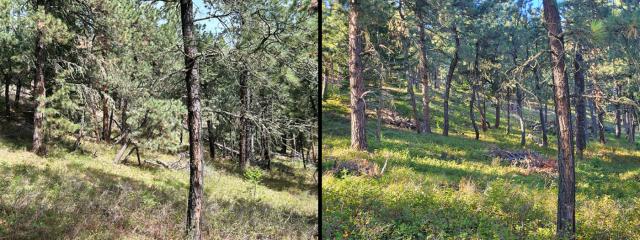
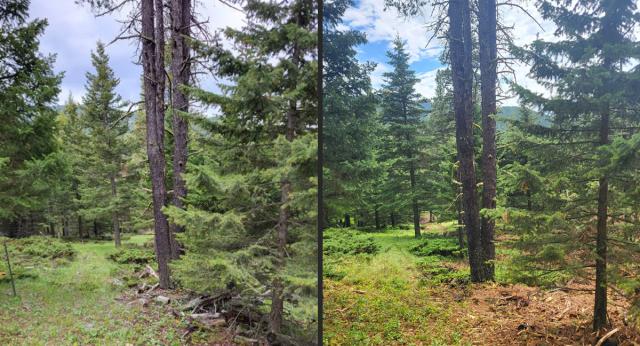
During the course of the cooperative agreement with SMDC, 127 acres of hazardous fuels were treated across Fergus County and Judith Basin County. The work, completed in close cooperation with local landowners, directly improved protection for 42 homes and structures — creating defensible space and slowing the potential spread of wildfire in high-risk areas.
“Treating hazardous fuels is one of the most effective ways we can reduce wildfire risk,” said Shannon Bonney, BLM-NCMD Fire Mitigation and Education Specialist. “When we remove excess vegetation and ladder fuels around homes and properties, we’re not just protecting structures – we’re giving firefighters a safer, more manageable situation if a fire does occur.”
Hazardous fuels – including dense grasses, brush, and encroaching timber – can act as accelerants during fire season. By thinning and managing these fuels, fire intensity drops significantly, increasing the likelihood that fire protection agencies can contain a blaze quickly and efficiently.
The partnership also reflected a strong model of shared investment. Through a cost-share arrangement, the BLM covered 75 percent of project costs, while participating landowners contributed the remaining 25 percent. The SMDC administered the agreement, ensuring funds were managed responsibly and reimbursements – whether for contractor invoices or in-kind services – were efficiently processed.
“This program works because of local participation,” Bonney added. “When landowners are willing to invest alongside us, it strengthens the entire community’s resilience.”
For Tonya Garber, SMDC’s redevelopment director, the partnership represented the power of local coordination backed by federal support.
“This agreement allowed us to connect directly with landowners who wanted to take action but needed financial and administrative support to make it happen,” Garber said. “By working together, we were able to reduce wildfire risk in meaningful, measurable ways that will benefit these communities for years to come.”
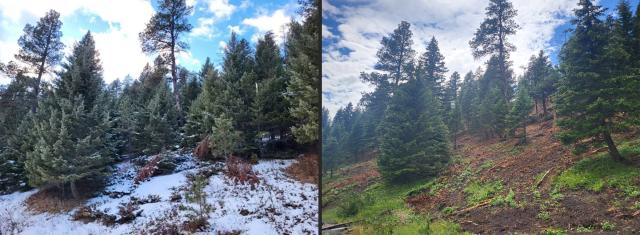
Although SMDC is no longer administering a Community Assistance Agreement, the BLM expressed gratitude for the organization’s leadership and stewardship of the program. The impact of the treated acres – and the strengthened relationships – will continue well beyond the life of the contract.
Looking ahead, the effort is gaining new momentum. The Fergus Conservation District has been awarded a new cooperative agreement to continue fuels reduction projects in the region, ensuring that wildfire mitigation remains a priority for local communities.
Landowners interested in participating in future fuel reduction projects are encouraged to contact Dona Stafford, Fergus Conservation District administrator, ferguscd@macdnet.org, for more information.
As fire seasons grow longer and more complex across the West, proactive partnerships like this one offer a clear reminder: community safety starts long before smoke fills the sky.
Related Stories
- From Open Rangeland to Historic Battlefields
- National Public Lands Day Volunteers Revitalize Dean S. Reservoir in Montana
- Nails and Tires Don’t Mix
- Pipestone Roars to Life as Community Comes Together for National Public Lands Day
- Healing Hooves: How a Once‑Wild Burro is Bringing Joy Across Pennsylvania and Competing Nationally