


Preserving the past across the Plains: BLM Montana-Dakotas Cultural Resources staff safeguard America’s storied history
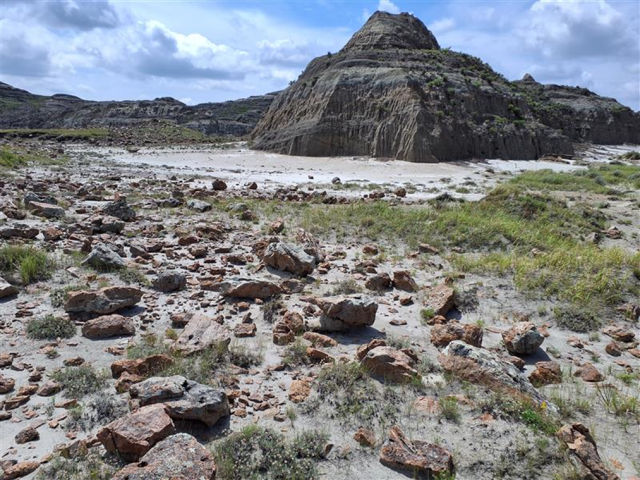
Across the sweeping prairies of eastern Montana and the rugged badlands of the Dakotas, history lies just beneath the surface – in stone circles and tools, in fossil beds and historic homesteads.
During fiscal year 2025 (FY25), the Bureau of Land Management’s Montana-Dakotas (BLM-MT/DKs) cultural and heritage resource staff worked diligently to ensure those stories endure.
As part of its annual reporting responsibilities, the BLM-MT/DKs State Office produced a summary of accomplishments to the Montana and North Dakota State Historic Preservation Offices (SHPOs). The numbers tell a compelling story of stewardship, collaboration, and dedication.
Over the course of the year, BLM archaeologists surveyed 41,993 acres of public land to Class III standards – a systematic, detailed field inspection and intensive inventory done by, or under the direction of professional architectural historians, historians, archeologists, and/or other appropriate specialists.
Those surveys resulted in documentation of 407 cultural sites, each one a tangible link to the region’s deep and layered history.
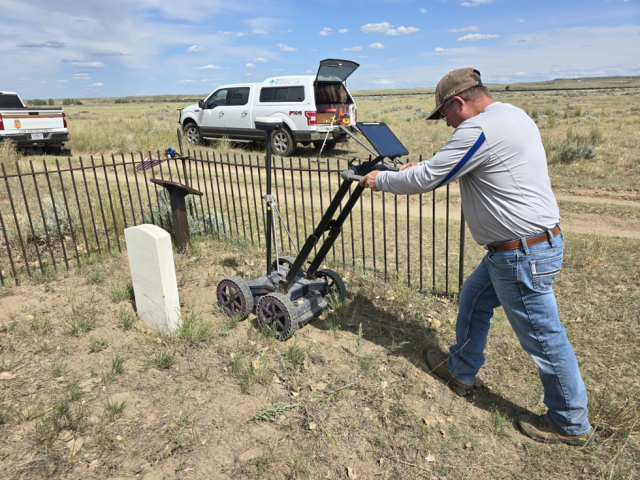
Of those, 63 sites were fully documented and assessed as eligible for inclusion on the National Register of Historic Places, affirming their national significance. Meanwhile, 207 cultural sites were actively protected and preserved, ensuring that irreplaceable resources remain intact for future generations.
But the work extended far beyond archaeology alone.
BLM teams recorded 50 new paleontological sites in FY25, underscoring the paleontological richness of Montana and the Dakotas. The Billings Curation Center safeguarded an extraordinary 811,354 objects – artifacts and specimens carefully cataloged and preserved under professional museum standards.
Public engagement remained a priority. Staff members reached 618 people through presentations and educational outreach, helping communities better understand the importance of cultural and paleontological stewardship. Equally critical was government-to-government consultation: BLM coordinated with 30 tribal nations and communities, reinforcing longstanding commitments to collaboration, respect, and shared heritage.
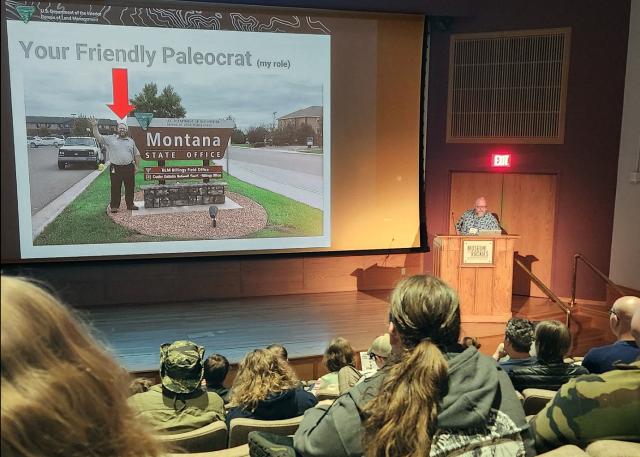
Behind those figures stands a relatively small but highly dedicated team – field office archaeologists, the Billings Curation Center staff, the tribal liaison, and the Montana State Office paleontologist and paleo coordinators (collectively, about 15 people) – each balancing daily compliance responsibilities with proactive preservation efforts.
“For a small staff that is deeply involved in all aspects of the work we do as an agency, what they accomplished this year is nothing short of remarkable,” said Josh Chase, BLM-MT/DKs state archeologist and deputy preservation officer. “Beyond the technical achievements, it’s the camaraderie and shared sense of purpose that truly made the difference. Everyone understands that we are protecting stories that belong to all of us.”
That shared commitment proved especially meaningful in what Chase described as an ever-changing and often challenging landscape for public lands management. Regulatory demands, development pressures, and evolving public expectations require both innovation and resilience.
Yet, the FY25 accomplishments demonstrate that even amid complexity, progress is possible.
The BLM-MT/DKs’ cultural and heritage resource staff’s success is rooted not only in professional expertise but also in collaboration – with tribal nations, with State Historic Preservation Offices, and the public. Their work highlights the transformative power of dedication and innovation in stewardship.
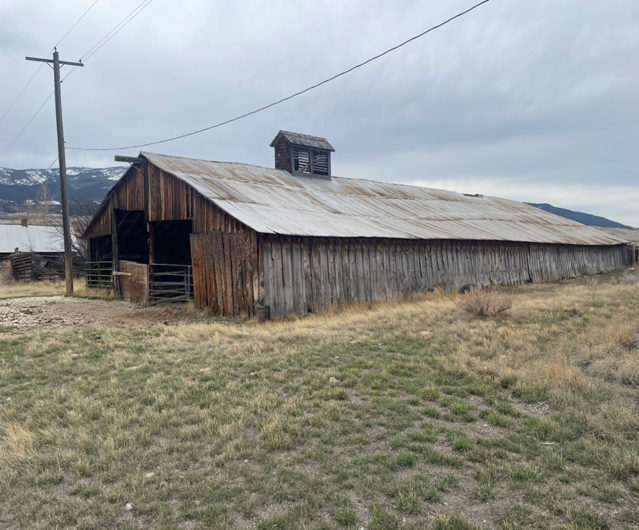
From newly recorded fossil beds to safeguarded historic sites, the results of FY25 ensure that pieces of the past remain protected across nearly 8.3 million acres of public lands.
The past year’s achievements serve as a reminder that preservation is not simply about cataloging artifacts or completing surveys. It is about safeguarding identity, honoring tribal connections, informing scientific discovery, and deepening public understanding of the American story.
And as the BLM-MT/DKs team moves into the next fiscal year, one thing is clear: when driven by a common purpose, no challenge is insurmountable – and no preservation goal is beyond reach.
-BLM-
Related Stories
Office
5001 Southgate Drive
Billings, MT 59101
United States