

Sage-grouse

Sage-grouse in Balance: Risks & rewards

Healthy habitat can shield sage-grouse from predators like badgers, coyotes and raptors, but grouse are not fully adapted to foxes, skunks and ravens which follow human activity into sagebrush areas.

HELP WANTED : Seeking public comment on sage-grouse management

Expressing your thoughts in your own way helps the BLM understand various perspectives on the issues in the draft environmental analysis. The comment period is open through June 13, 2024.

Greater sage-grouse | Proposed special management

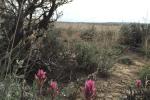
The draft environmental impact statement (EIS) for greater sage-grouse habitat management evaluates proposals to designate some sagebrush lands as areas of critical environmental concern (ACECs).

Full nesters: Sage-grouse in Season

Greater sage-grouse move from leks to more densely vegetated areas during nesting season. Migratory birds also use sagebrush lands for nesting.

Habitat for food, security and connectivity

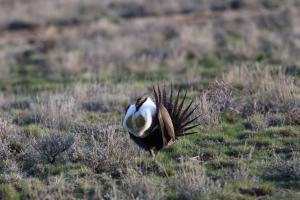
Greater sage-grouse rely completely on sagebrush lands for all aspects of their life cycle.