


Wyoming Threatened and Endangered Species Program
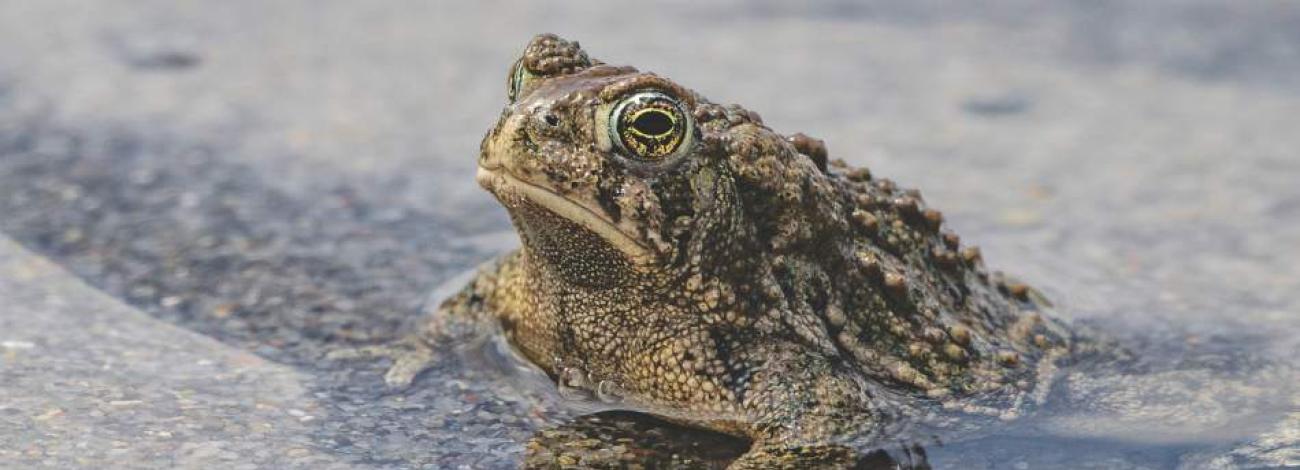
BLM Wyoming manages public lands that support habitats used by federally listed and proposed species, including prairie grasslands and prairie dog colonies; sagebrush and desert shrublands; riparian areas, wetlands, and alkaline meadows; caves, mines, and rock outcrops; montane and subalpine forests; alpine areas; and spring and river systems. Species currently listed as endangered include the black-footed ferret (populations designated as nonessential experimental), blowout penstemon, Kendall Warm Springs dace, northern long-eared bat, and Wyoming toad. Threatened species include Canada lynx (and critical habitat), desert yellowhead (and critical habitat), grizzly bear, North American wolverine, Preble's meadow jumping mouse, Ute ladies'-tresses, western glacier stonefly, whitebark pine, and the western distinct population segment of the yellow-billed cuckoo. Ute ladies'-tresses remains listed while a proposal to delist the species is under review. The monarch butterfly and western regal fritillary are proposed as threatened; Suckley's cuckoo bumble bee and tricolored bat are proposed as endangered.
BLM also evaluates the effects of water depletions in Wyoming on eight listed species in downstream portions of the Colorado and Platte River systems: bonytail, Colorado pikeminnow, humpback chub, razorback sucker, pallid sturgeon, piping plover, whooping crane, and western prairie fringed orchid. Because ranges, critical habitat, and legal status change, project-specific official species lists should be requested through the U.S. Fish and Wildlife Service's Information for Planning and Consultation (IPaC) system before project review.
The Wyoming Bureau Sensitive Species List identifies species that warrant special management consideration on BLM-administered lands in Wyoming. Bureau Sensitive Species are designated under BLM policy and managed proactively to maintain viable populations and reduce the need for future protection under the Endangered Species Act. The BLM list is distinct from Wyoming's Species of Greatest Conservation Need (SGCN) list, although the two programs overlap substantially. On and near BLM-managed lands, representative non-federally listed priorities include greater sage-grouse, pinyon jay, pygmy rabbit, plains spotted skunk, swift fox, burrowing owl, black-tailed and white-tailed prairie dogs, little brown myotis, and rare plants such as small (Fremont County) rockcress, thickleaf bladderpod, and Colorado butterfly plant. BLM uses inventories, long-term monitoring, habitat and distribution mapping, restoration, invasive-species treatment, and project-specific avoidance and minimization measures to maintain habitat function and inform land-use decisions. Work spans sagebrush, prairie, desert shrubland, riparian and wetland, cave and rock, forest, alpine, and aquatic systems.
BLM Wyoming works most effectively through partnerships, especially with the Wyoming Game and Fish Department (WGFD) and the Wyoming Natural Diversity Database (WYNDD). BLM participated in the interagency team that prepared the draft 2027 State Wildlife Action Plan and coordinates with WGFD, the U.S. Fish and Wildlife Service, WYNDD, tribal fish and wildlife programs, universities, conservation districts, recovery programs, and private landowners to align conservation across ownerships. Partnership examples include multi-agency black-footed ferret recovery using scent-detection dog surveys, prairie dog colony mapping, captive-bred releases, and sylvatic plague management; statewide bat and white-nose syndrome monitoring; rare-plant inventory, seed collection, and habitat management; and coordinated conservation through the Upper Colorado River Endangered Fish Recovery Program and Platte River Recovery Implementation Program. By combining BLM field data and land-management expertise with state leadership, federal recovery planning, research, and voluntary landowner stewardship, these efforts support both species conservation and working landscapes.