


Billings Field Office completes abandoned uranium mine closure work in the Pryor Mountains
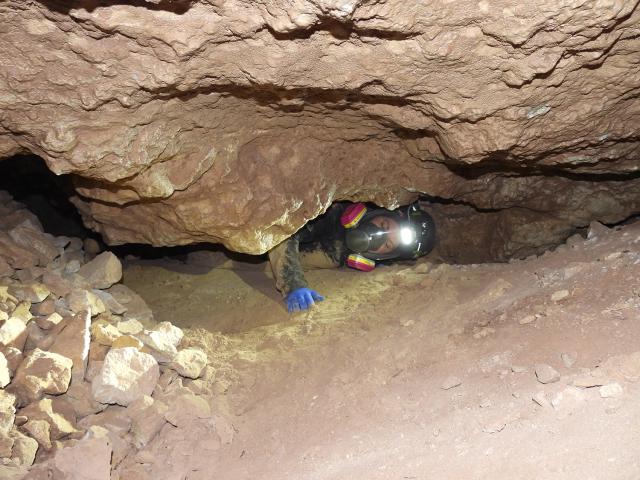
Entering abandoned mine sites on public lands is dangerous—and can be fatal—to visitors. These sites are inherently unstable since the unmaintained mine structures weaken over time, making collapse and injury a serious risk. In order to protect the visiting public, staff from the BLM’s abandoned mine lands program work diligently to reduce these hazards at abandoned mine sites across our public lands.
A recent example took place on BLM-managed lands in the Pryor Mountains of south-central Montana. Here the Department of Energy’s Defense Related Uranium Mine (DRUM) program and BLM staff completed work to identify and successfully address public safety hazards at several abandoned uranium mine sites. In addition to the other hazards, some abandoned uranium mines in the Pryor Mountains have elevated metals and radiation levels in their underground workings due to remaining mineralization—another critical reason to ensure closure to public entry.
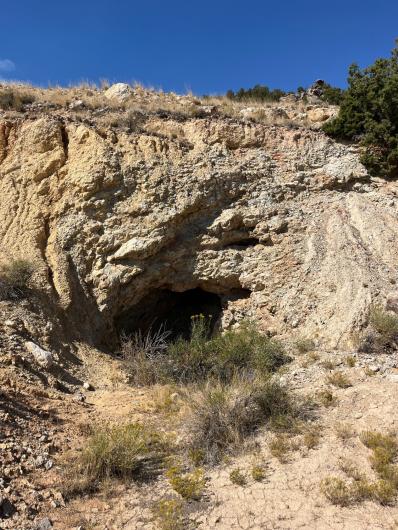
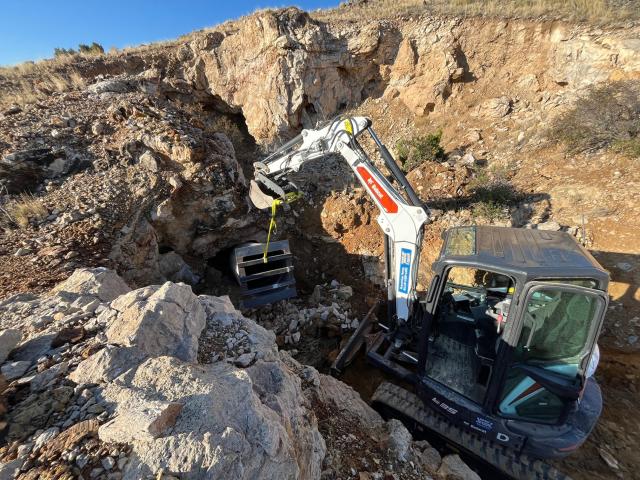
In September 2025, Department of Energy subcontractors from the Mountain States Restoration, LLC completed abandoned uranium mine mitigation work at five historic sites in the Pryor Mountains. This included the closure of 20 mine features by backfilling mine openings, installing bat-friendly closure gates, fencing dangerous highwalls, plugging drill holes, and removing solid waste.
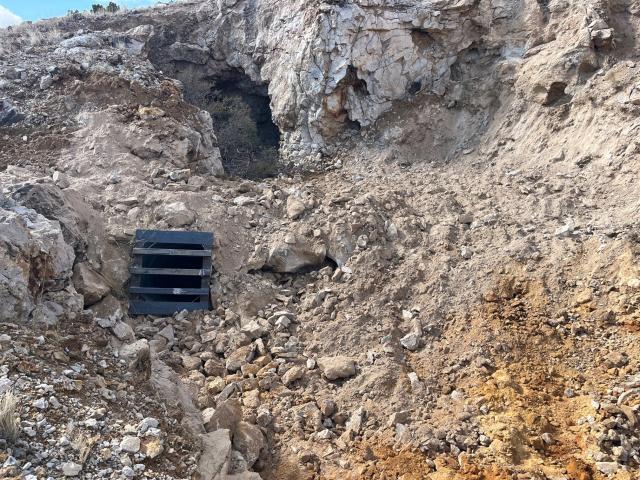
Background
Today, federal and state laws require mine operators to ensure mine sites are safe before they abandon them. But prior to BLM’s 3809 regulations, first enacted in the early 1980’s, mine operators often walked away from a mine without addressing safety or environmental hazards.
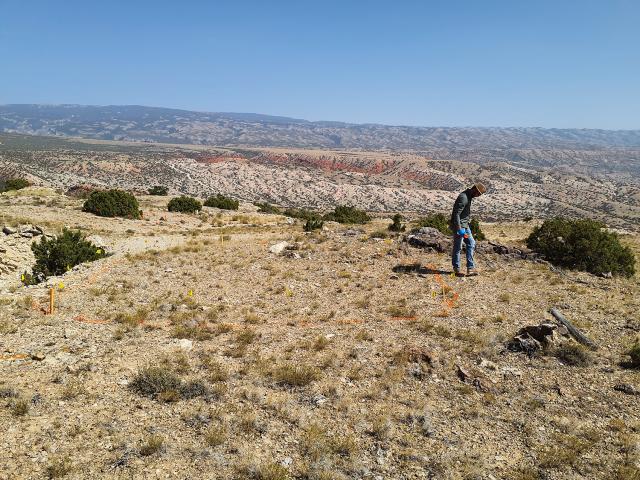
The DRUM program is a partnership between Department of Energy, federal land management agencies, and state and Tribal abandoned mine lands programs to verify and validate the condition of more than 4,000 uranium mine sites across the nation. These mine sites provided uranium ore to the U.S. Atomic Energy Commission for defense-related activities that occurred between 1947 and 1970. The DRUM program is tasked with mitigating safety hazards at these mine sites.
Project History
In 2020, DRUM contractors began assessing abandoned uranium mine sites in the Pryor Mountains for physical hazards, radiation levels and chemical contamination. These assessments identified safety risks and related reclamation and closure needs.
Then in 2024, Bat Conservation International (BCI) completed additional survey work, to assess biologic and cultural resources focused on identifying bat habitat, rare plants and cultural resources in need of protection during abandoned mine project implementation.
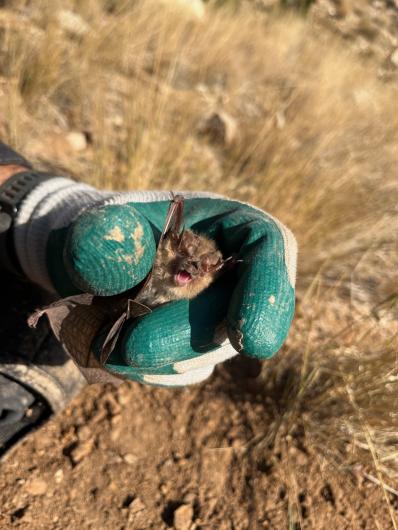
BCI staff then worked with an interdisciplinary team of resource specialists to complete required environmental analysis and identify resource protection needs. BLM contacted mining claimants at the sites to ensure that mineral resources remained accessible. In August 2025, the BLM issued a decision to implement abandoned mine work at multiple sites in the Pryor Mountains, prior to the September 2025 mitigation work.
Monitoring
Dan Seifert, BLM Montana/Dakotas Abandoned Mine Lands (AML)/Hazmat program lead, noted that it is important to monitor AML sites to ensure closures remain effective. "We need to acknowledge that we can't just walk away from these sites after closure work – gravity and erosion continue to occur and mine grates are often vandalized and broken into."
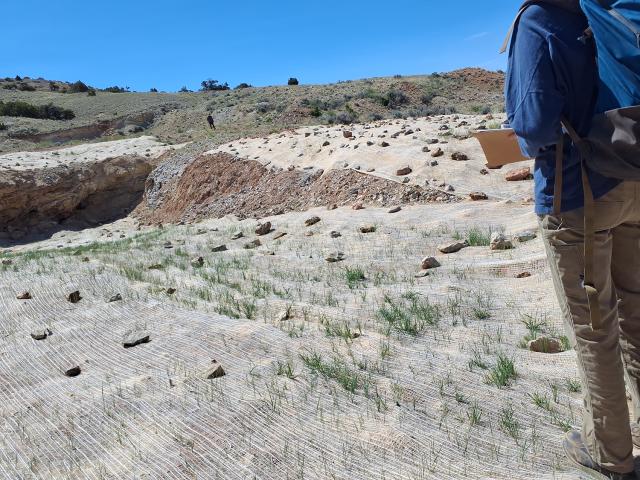
"Overall, this project went smoothly through multiple phases due to successful collaboration between DRUM, BLM and project contractors. Thank you to all of the BLM staff and partners who continue to work hard to address abandoned mine site hazards across our public lands, ensuring the safety of visitors now and into the future,” noted Seifert.
Related Stories
- National Public Lands Day Volunteers Revitalize Dean S. Reservoir in Montana
- Nails and Tires Don’t Mix
- Pipestone Roars to Life as Community Comes Together for National Public Lands Day
- Healing Hooves: How a Once‑Wild Burro is Bringing Joy Across Pennsylvania and Competing Nationally
- Power and Fiberoptic Line Burial Project Brings Conservation and Connectivity to South Valley County
Office
5001 Southgate Drive
Billings, MT 59101
United States