


Meet Kyle Voyles, BLM National Cave and Karst Program Lead
What is your name and job title, office location and length of service with the BLM?
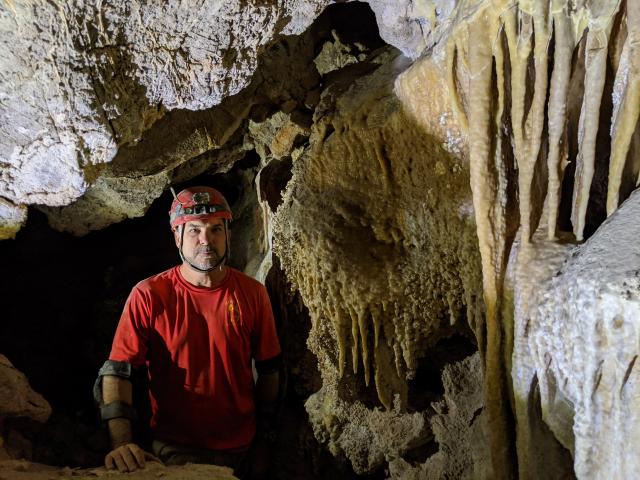
My name is Kyle Voyles, and I am the Bureau of Land Management Headquarters Senior Cave Specialist. However, my tenure with the BLM goes back much farther than that. After a 10-year stint with the National Park Service as a physical science tech/cave specialist, I transferred to the BLM in 2010. For the last 15 years with BLM, I have been based out of the St. George Field Office in St. George, Utah.
What primary duties and activities does your current job entail?
The BLM Senior Cave Specialist is the subject matter expert for the management of cave and karst resources on BLM-administered lands, including cave-dependent activities or uses. As part of the job, I help to promote and advance guidance for the effective management of cave resources on BLM-managed lands. Part of that is to provide funding opportunities for cave-related projects and research; work with partners such as the National Park Service, USDA Forest Service, and U.S. Fish and Wildlife Service on directing the national cave programs and providing interagency trainings; work with the state cave coordinators and other leads on cave-related issues; and to provide assistance and guidance when needed.
One of the best aspects of the position is the networking and collaboration with the many different specialties across the BLM and other agencies and getting to see what amazing projects they are working on in their states and field offices. It’s great to see so many highly intelligent people in the agency doing such great work!
And that work and collaboration continues outside the U.S. In 2024, I was selected to be a member of the Department of Interior’s International Technical Assistance Program (ITAP). We were sent to Belize for two weeks to assist the local government and NGOs in cave and karst management, cave survey and inventory. A large part of this venture was to teach these techniques to the locals so they can carry on the work themselves. I have returned to Belize to continue this work on my own every year since.
What previous experience/education prepared you for your job?
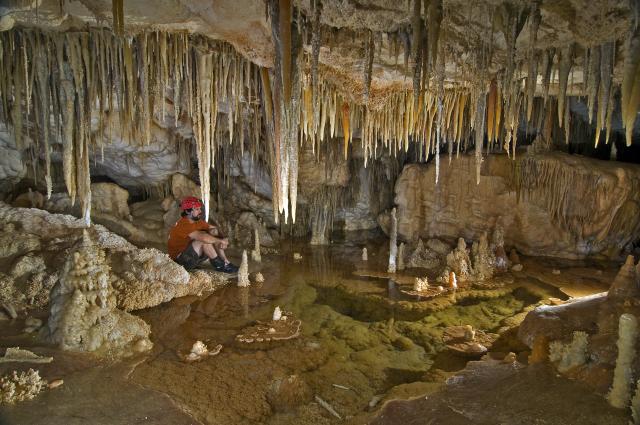
I have been involved with caving or cave-related activities for more than 30 years. I had a natural (or perhaps you would call it an unnatural!) interest in caves as a youngster. I was always fascinated by them, although I had only been through a few commercial caves at the time. As a young teen, I moved to Texas and started caving in the Ozarks and what is known as the TAG (Tennessee, Alabama, Georgia) area. That is where my true interest in caving began.
I have more than 20 years of experience with the BLM Recreation and Visitor Services program. I have served as the BLM Arizona Cave Coordinator from 2001 to 2010 and the BLM Utah Cave Coordinator from 2010 to present. During that time, I have studied karst hydrology, trained in cave rescue, assisted with many cave management plans and research projects, served as an instructor for numerous cave management courses, and conducted cave ecological inventories across the U.S and numerous foreign countries.
What brought you to the BLM and how does your job help fulfill the BLM mission?
After graduating college, I moved to southern Utah and started volunteering with BLM to assist them with their cave program. From that day on, I knew that I wanted to remain in a position that allowed me to better manage caves on public lands.
As a volunteer for the BLM, I was offered the opportunity to work with the cave specialist as well as the biologist and archaeologist in cave-related projects. Working with these different disciplines opened my eyes to the multifaceted management issues and opportunities that caves provide. During this tenure, caving became much more than just a neat hobby and a fun place to recreate. It became a portal to the clear understanding of the limitless potential and possibilities for exploration, research and new discoveries.
Since then, I have committed my career and passion to the better management and understanding of caves, working to better the relationship between federal agencies and the private sector, and educating people on the significance of caves and karst resources at any possible opportunity.
My job fulfills the BLM mission by ensuring that all of the state and field offices manage their cave resources in accordance with the Federal Cave Resource Protection Act, the guiding law—along with Federal Land Policy and Management Act (FLPMA)—that grants authority for the BLM’s cave and karst program.
What is the best thing about your job?
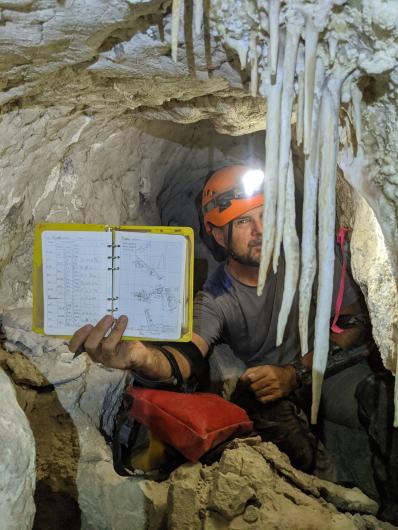
There are many aspects about my job that I like, but what I am truly passionate about is making a positive difference in the management of our natural resources and providing a service to the general public and sister agencies that we work with. It's a great feeling to work with our partners and be able to protect our sensitive resources or successfully complete a project.
What is the most challenging part of your job?
That’s a tough question! One of the most difficult aspects of the job is balancing the workload and project priorities and feeling that I have given enough time and attention to the resources. As with anyone passionate about their job, it is easy to feel like you are never doing enough.
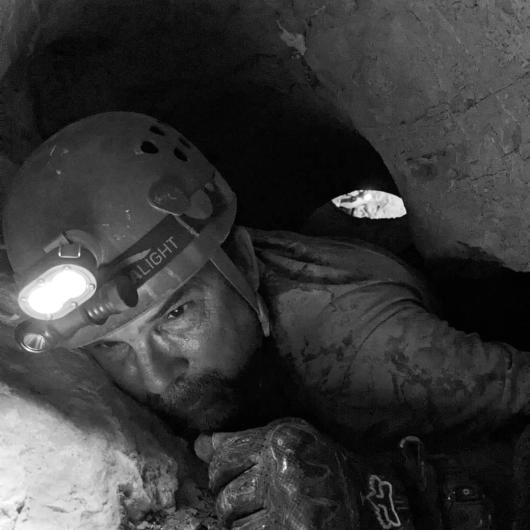
What is an interesting or fun fact about you?
Well...there are a few weird facts about me, but I think the most esoteric fact about me would be that during my years of conducting ecological inventories in caves, I discovered a new genus of cave cricket as well as a new species of millipede which was named after me—Pratherodesmus voylesi. I’ve been told we look alike!
What is one thing you want the public to know about the BLM?
Currently, BLM manages thousands of caves on public lands. Caves are a very unique resource. In many cases, caves are poorly understood but contain a wide variety of significant resources and influence secondary resources inside and outside of the cave. Not only can these caves be astonishing time capsules, but they often contain micro ecosystems that occur nowhere else.
Related Stories
- National Public Lands Day Paddles, Plants and Caves: BLM Connects Milwaukee Youth with the Outdoors
- K2-Play Completes Final Phase of North Fruita Desert Trails Master Plan
- BLM Fishing Derby brings Americans Outside for recreation and stewardship in Imperial Valley, California
- One Mile Closer
- Celebrating National Public Lands Day across the High Desert District in Wyoming