


BLM California uses targeted grazing to manage invasive weeds in the Sacramento River Bend area
In early February, 750 goats arrived in the Sacramento River Bend Area in California for a targeted grazing project to manage invasive weeds and other problem vegetation while improving access.
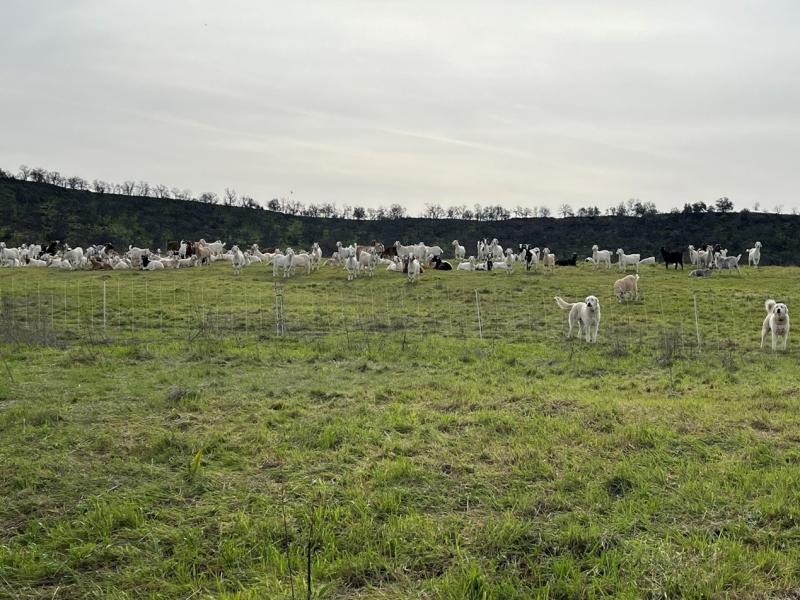
Over about six weeks, crews moved the herd through the Oak Slough and Jelly’s Ferry area in small sections using temporary fencing. The goats grazed invasive thistles, annual weeds, blackberry, medusahead, and other problem vegetation while avoiding sensitive locations. To reduce conflict with recreational activities, the herd was also moved away from the trail as the project progressed.
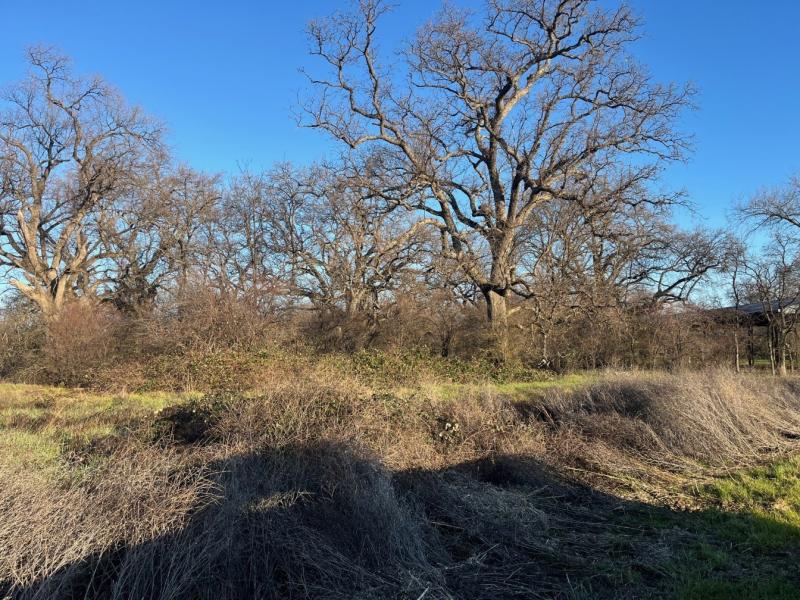
Goats are an important part of managing invasive vegetation while balancing recreation, restoration, and other uses across the area. By the end of the first season, staff saw encouraging early results, including fewer thistles and annual weeds in key parts of the site.
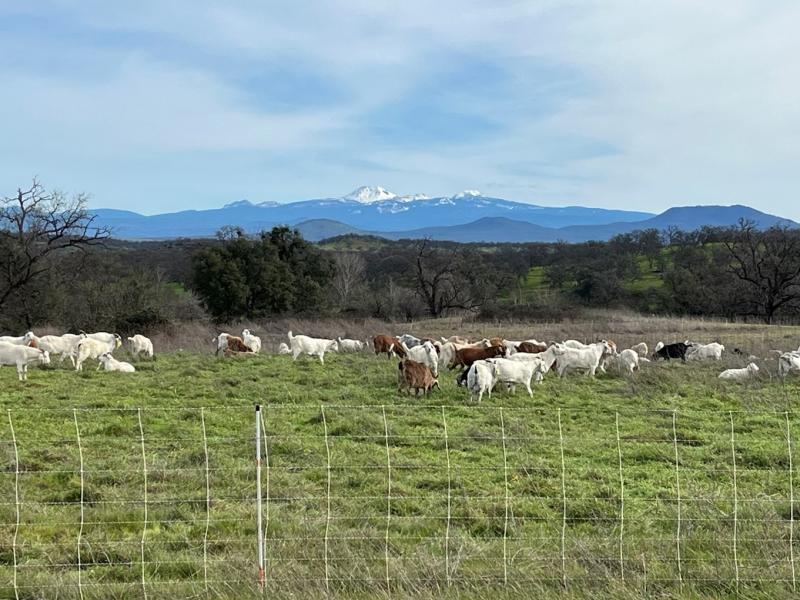
The reduction in invasive thistles and other problem vegetation opens up more of the Sacramento River Bend Area for visitors to explore and enjoy. With clearer terrain across the Oak Slough and Jelly's Ferry areas, hikers, horseback riders, mountain bikers, and wildlife viewers can move more freely along the area's trails — and without the discomfort of sharp thistle.
Visitors may find it easier to spot the river otters, beavers, osprey, bald eagles, deer, and turtles that make the Sacramento River Bend a destination worth returning to. The Sacramento River Bend Area offers a wide range of recreational opportunities, including hunting, camping, hiking, horseback riding, cycling, boating, picnicking, and wildlife viewing — and targeted grazing helps ensure those experiences remain accessible and enjoyable across BLM-managed lands for years to come.
Related Stories
- BLM Fishing Derby brings Americans Outside for recreation and stewardship in Imperial Valley, California
- One Mile Closer
- BLM Arizona and Arizona Association of Conservation Districts: A Model Partnership for Landscape Conservation
- BLM Wyoming Celebrates Day of the American West at Cheyenne Frontier Days
- BLM and Partners Celebrate America's 250th at the King Range National Conservation Area