


BLM Officers Stand Alone in Grueling U.S. Customs and Border Protection Horseback Course
When the dust settled on one of the most demanding wilderness horsemanship courses in federal law enforcement, only three riders remained—all of them Bureau of Land Management officers.
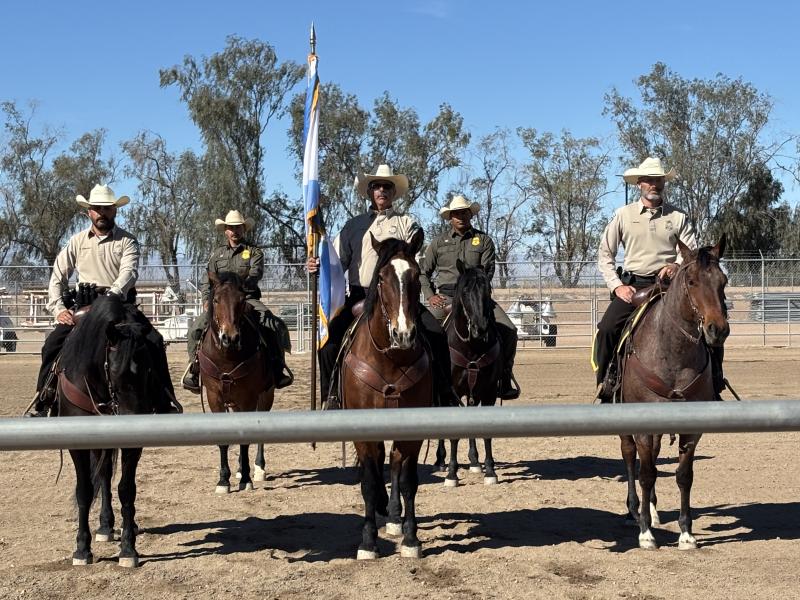
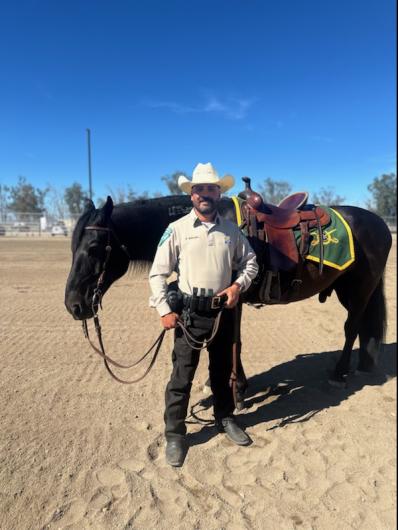
The intensive National Horse Patrol Program run by U.S. Customs and Border Protection is known for its high standards and significant attrition rate. BLM Special Agent Al Pena, Ranger Timothy Brown, and Ranger Nelson Benavidez completed the arduous course, with Benavidez named honor graduate on March 13, 2026, in El Centro, California.
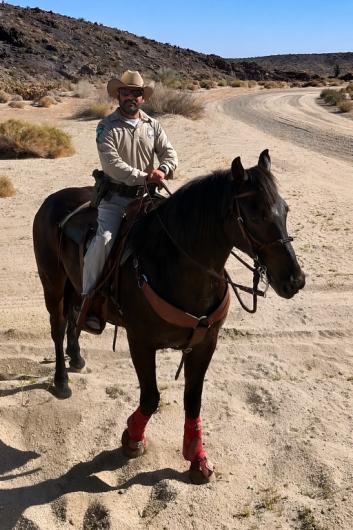
The CBP led course trains officers to operate on horseback in rugged, remote areas where vehicles often can’t go. It emphasizes advanced horsemanship and backcountry skills, requiring riders to work safely with their mounts across steep, unforgiving terrain. Long days in the saddle test both rider and horse as students navigate difficult ground and respond to scenarios they may encounter far from roads or immediate assistance.
As riders quickly learn, horses are powerful partners with minds of their own, and building trust and control in challenging environments is part of the training. The course teaches equine psychology and health, helping riders understand how a horse thinks and performs under pressure. Many of the horses used by CBP in the mounted patrol unit are BLM-managed mustangs, valued for their toughness and ability to handle harsh landscapes. During the course, Rangers Benavidez and Brown rode mustangs gathered from BLM lands.
The course is known for its rigorous standards and demanding pace. Participants must first pass a challenging tryout that includes timed tasks such as carrying heavy feed sacks, repeatedly mounting and dismounting, and demonstrating riding skills. Those selected face fatigue, sore muscles, and bruises as common reminders of the course’s physical demands.
Early in the class, students ride bareback to develop balance and become familiar with their horse’s movement and responsiveness. They also refine essential horsemanship skills such as saddling, grooming, and safely handling and tying a lead rope. As training progresses, they transition to saddles and, in the final weeks, earn their spurs—an indication of the control and precision required to work effectively in demanding conditions. During the intense training in the saddle, all three BLM officers accumulated their share of injuries—and more than a few unplanned dismounts—before climbing back up each day.
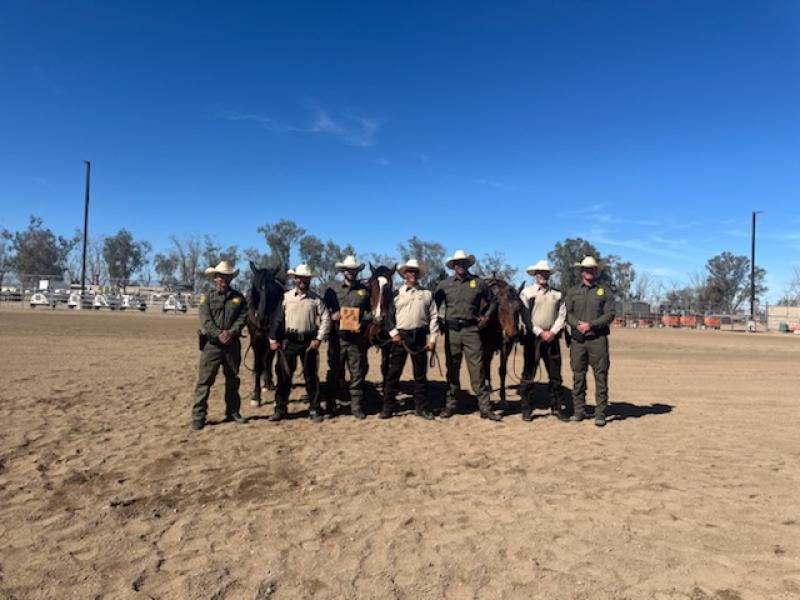
Historically, more than half of those who attempt the program do not complete it, and this year proved no exception. In what became a milestone class—the first time the host agency opened the training to outside officers—the three BLM participants not only accepted the challenge but ultimately stood alone as the only participants to reach graduation.
Their achievement reflects sustained teamwork, resilience, and mastery of advanced horsemanship in an environment designed to push riders to their limits. The three BLM officers demonstrated the skill, grit, and commitment required to operate in some of the toughest terrain on BLM-managed public lands.
Related Stories
- Swainson’s Hawks: a remarkable return to California’s Central Valley
- BLM Fishing Derby brings Americans Outside for recreation and stewardship in Imperial Valley, California
- Nails and Tires Don’t Mix
- Healing Hooves: How a Once‑Wild Burro is Bringing Joy Across Pennsylvania and Competing Nationally
- Gallant: A BLM mustang with a bright future