


Equestrian and Pack Stock Use on BLM Lands
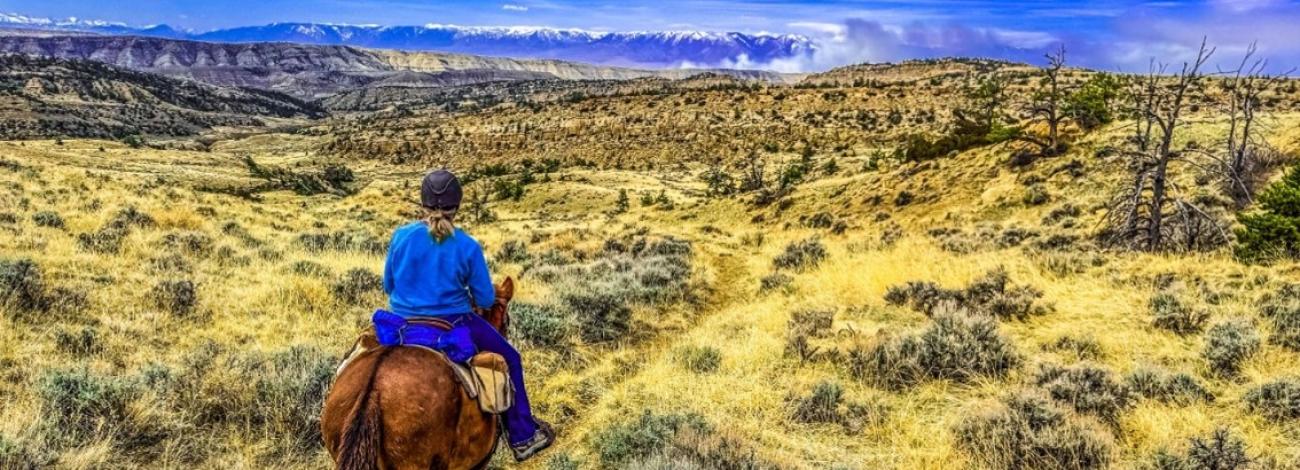
The Bureau of Land Management (BLM) offers a variety of opportunities for horseback riding and pack stock trips across America’s public lands. Whether you’re planning a scenic day ride or a multi-day wilderness adventure, BLM lands provide something for everyone.
Where You Can Ride
Explore BLM-managed trails, Wilderness and Wilderness Study Areas, and other BLM lands open to equestrian use. Tip: Always check local trail conditions and regulations before your trip.
Camping with Stock
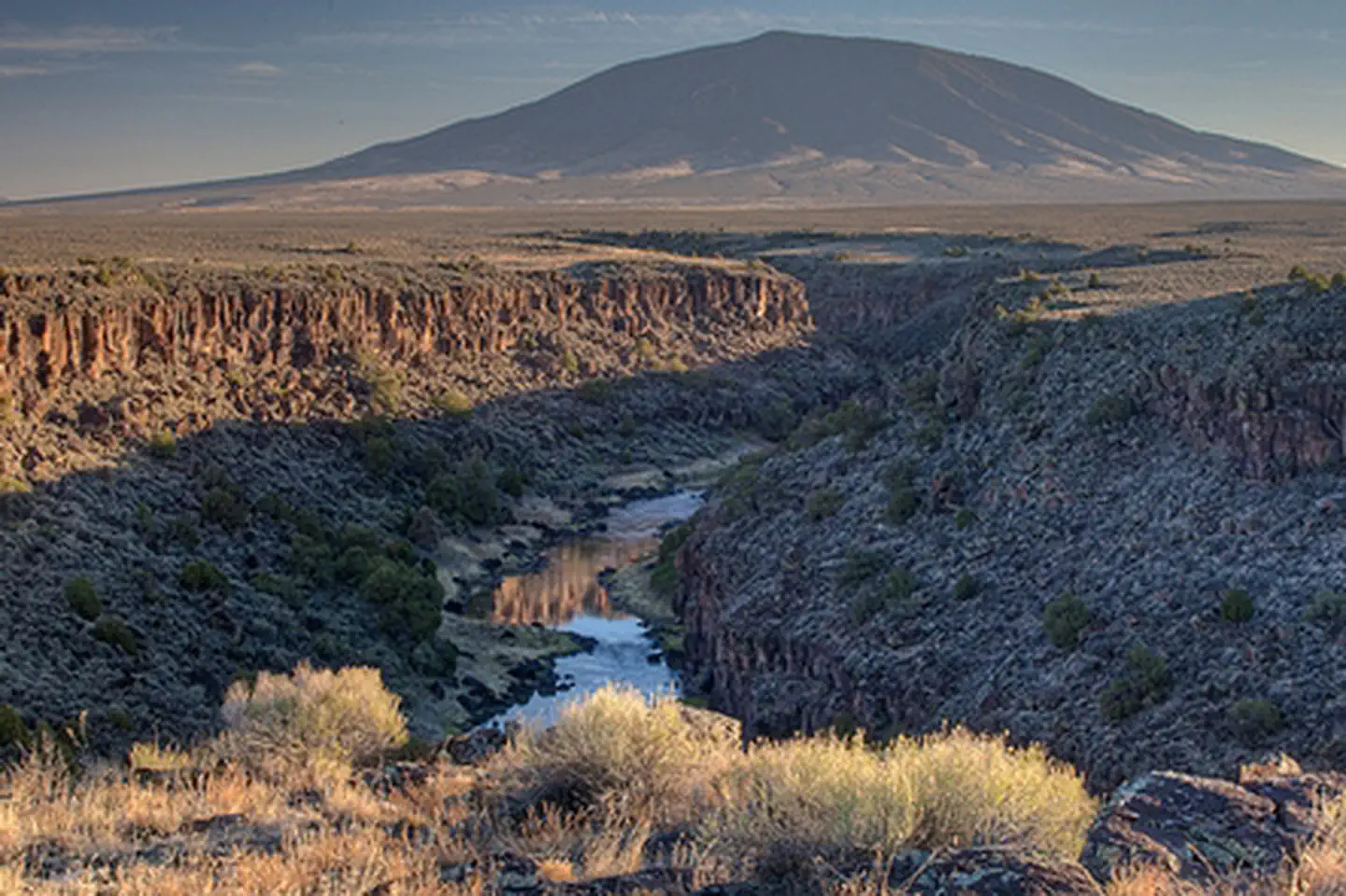
BLM lands offer dispersed camping options for equines and llamas. Dogs are welcome on most trails—verify leash policies on the trail’s webpage or contact your local BLM field office.
Responsible Recreation
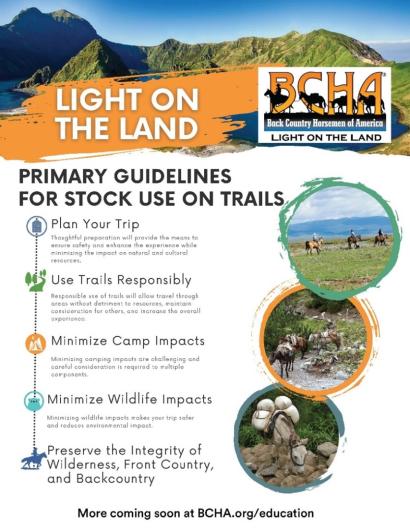
Follow the principles of the Backcountry Horsemen of America utilizing Light on the Land to ensure a safe and enjoyable experience for all visitors.
Trip Planning Tips
- Condition your stock for the terrain and distance.
- Pack essential gear for humans and animals, including first-aid supplies.
- Bring insect repellent for you and your stock.
Prevent the Spread of Invasive Plants
Help protect public lands by following these steps:
- Clean vehicles and gear: Wash trailers and equipment before arrival; remove plant material.
- Use certified weed-free feed: Transport only certified hay, pellets, cubes, or grain. Cover hay during transport.
- Clean your stock: Brush animals and clean hooves before travel.