


BLM Announces Management Actions to Protect Wild Horse, Burro Herds Amid Severe Overpopulation, Widespread Drought
Organization:
Media Contact:
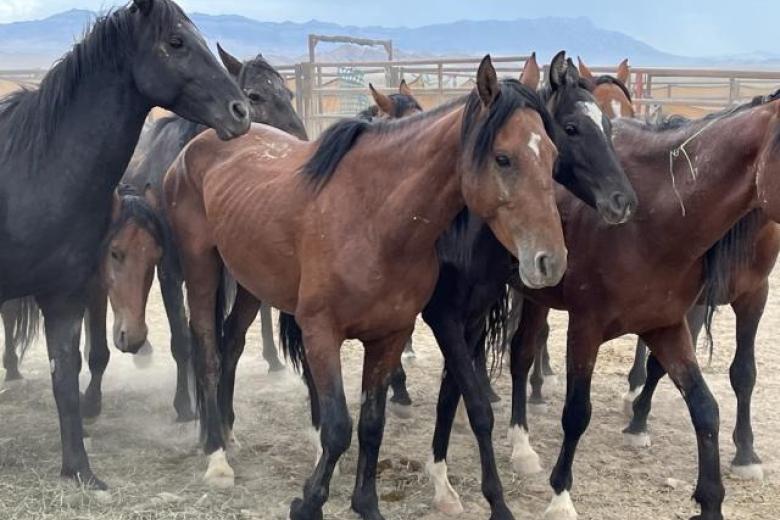
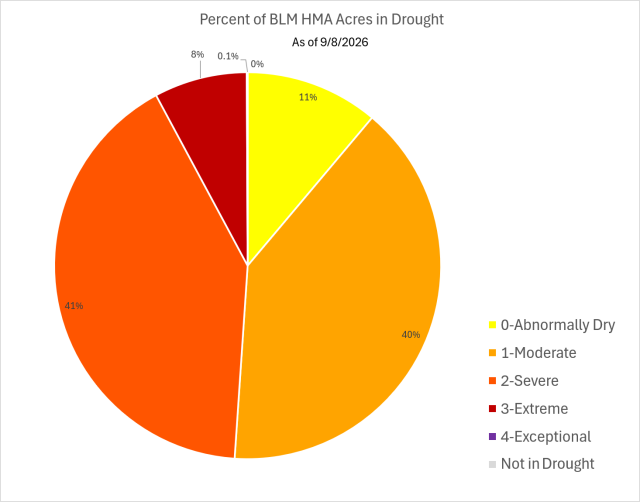
WASHINGTON — The Bureau of Land Management is taking urgent action to protect wild horses and burros from increasingly harsh on-range conditions caused by extreme overpopulation and severe, widespread drought. Today, more than 85,000 wild horses and burros live on public lands in the West, even though the landscape can sustainably support only about 25,500. This level of overpopulation is more than three times what the available resources can support, which means herds in every state are experiencing reduced forage availability, limited water, and escalating risks as they head into fall and winter.
To prevent suffering and stabilize herd health, the BLM will conduct wild horse and burro gathers across the West throughout fiscal year 2027. These operations are designed to rescue animals from deteriorating range conditions, protect remaining horses and burros from resource shortages, and restore balance on drought stricken landscapes.
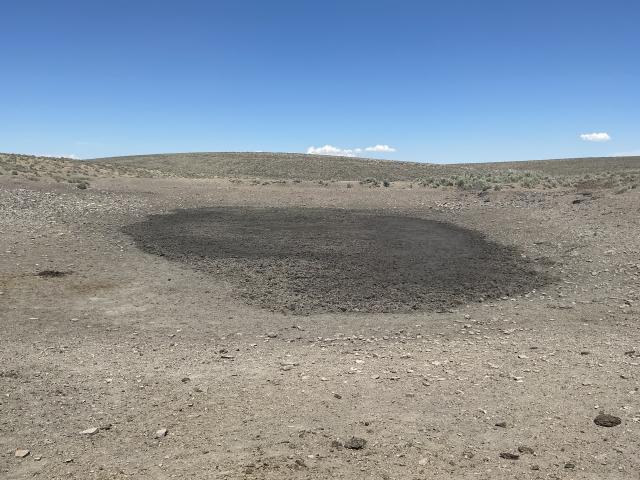
“Many herds are now far beyond what these drought strained rangelands can support,” said BLM Director Steve Pearce. “Without intervention, wild horses and burros face increasing risks of starvation, dehydration, and injury. Gathers help us manage these living legends when conditions on the range are out of balance.”
Wild horses and burros have few natural predators, allowing herds to double in size every four to five years. When herd numbers climb this quickly, animals consume forage faster than it can grow back, forcing animals to travel long distances in search of food and water. These movements may increase risks of vehicle collisions, property damage, and injuries. Gathers are a critical tool to prevent these outcomes and ensure the animals have access to the resources they need to stay healthy.
All fiscal year 2027 gather operations will follow the BLM’s Comprehensive Animal Welfare Program, which outlines strict humane care standards. Veterinarians are present or on call, gather crews monitor animal condition closely, and special precautions are taken for foals and older horses. Drive trap operations are conducted at a controlled pace to keep horses safe.
Management Actions to Protect Wild Horse and Burro Health Through March 2027:
| Herd Management Area or Herd Area | State | Dates |
|---|---|---|
| Sulphur | Utah | Oct. 1–14, 2026 |
| Pryor Mountains Wild Horse Range | Montana | Oct. 1–Nov. 15, 2026 |
| Red Desert Complex | Wyoming | Oct. 15–Nov. 20, 2026 |
| Flanigan, Dogskin Mountains and Granite Peak | Nevada | Oct. 16–31, 2026 |
| Cedar Mountain | Utah | Nov. 1–25, 2026 |
| Antelope and Antelope Valley Complex | Nevada | Nov. 16–Dec. 12, 2026 |
| Muddy Creek | Utah | Dec. 1–10, 2026 |
| Clan Alpine | Nevada | Dec. 1–20, 2026 |
| Seaman and White River | Nevada | Jan. 4–14, 2027 |
| East Pershing Complex | Nevada | Jan. 5–Feb. 15, 2026 |
| Slate Range | California | Jan. 12–19, 2027 |
| Lake Pleasant | Arizona | Jan. 15–Feb. 28, 2027 |
| Eagle Complex | Nevada | Jan. 15–Feb. 28, 2027 |
| Caliente Complex | Nevada | Mar. 1–Jun. 30, 2027 |
The BLM continues to expand private care placements, adoption events, and partnerships with organizations nationwide, each of which reduces long term holding costs and improves animal outcomes. Every successful placement saves taxpayers an average of $15,000 per horse or burro. For more information about how you can adopt a wild horse or burro, visit the BLM’s Adoptions and Sales Program page.
The BLM recently updated its Bill of Sale to better protect wild horses and burros placed into private care via sale. While most adopters and buyers act responsibly, any case of mistreatment puts animals at risk and erodes public trust. Federal law prohibits the sale or transfer of wild horses or burros for slaughter. The updated bill of sale now clearly requires buyers to certify they will not knowingly, carelessly, or negligently sell or transfer a BLM animal to anyone who may turn the animal or its remains into commercial products. This stronger, clearer language gives the BLM and law enforcement improved ability to act when violations occur. Anyone who sees a wild horse or burro being mistreated or in an unsafe or unauthorized location should contact local law enforcement immediately.
Under the Wild Free Roaming Horses and Burros Act of 1971, the BLM is required to protect wild horses and burros and manage herd sizes to ensure the animals remain healthy on the range. For more information, visit the BLM’s Wild Horse and Burro Gather and Fertility Control Operations website.
The BLM manages about 245 million acres of public land located primarily in 12 western states, including Alaska, on behalf of the American people. The BLM also administers 700 million acres of sub-surface mineral estate throughout the nation. Our mission is to sustain the health, diversity, and productivity of America’s public lands for the use and enjoyment of present and future generations.