


California News Bytes 1061

Top Stories from California’s Public Lands
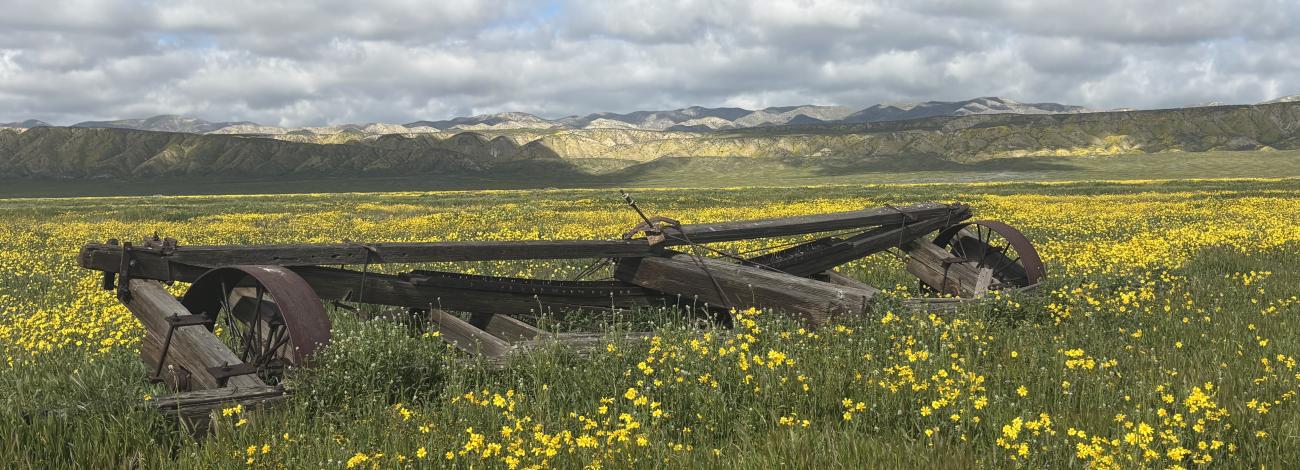
Wildflower Bloom Continues at Carrizo Plain
Wildflowers continue to bloom across Carrizo Plain National Monument following early winter rains. Visitors are encouraged to plan ahead, stay on designated routes, and enjoy the blooms responsibly. Learn more.
Fee Free Days Return in 2026
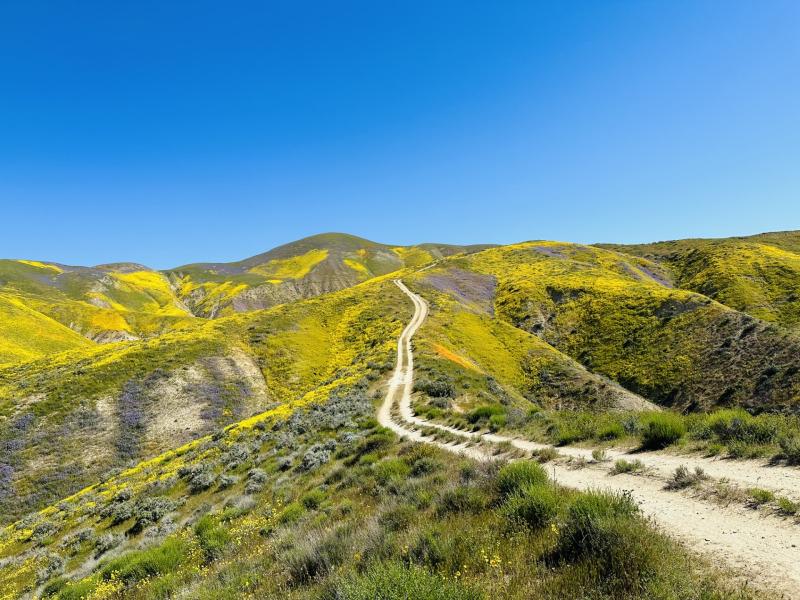
Fee Free Days are back for 2026, offering opportunities to visit BLM California public lands without entrance fees on select dates throughout the year. Mark your calendar and enjoy the diverse landscapes we manage, from deserts, coastlines, and mountains. Learn more.
From the Field
Honoring Women of BLM California
From leading wildfire crews to caring for cultural sites and wildlife habitat, women across BLM California play a vital role in stewarding public lands. On International Women’s Day, we recognize their dedication, expertise, and the impact they make every day. See more on our facebook page.
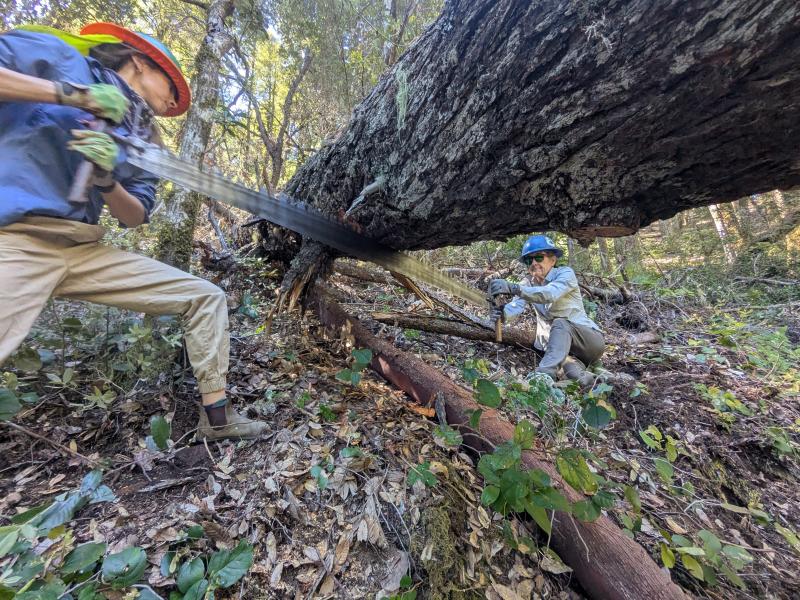
Wild Horse and Burro Adoption Event at Ridgecrest Corrals
A wild horse and burro adoption event at the Ridgecrest Regional Wild Horse and Burro Corrals will begin with public viewing on March 20, followed by first-come, first-served adoptions starting at 8 a.m. on March 21. Approved adopters can complete applications on-site or bring a completed application to help streamline the process. Learn more.
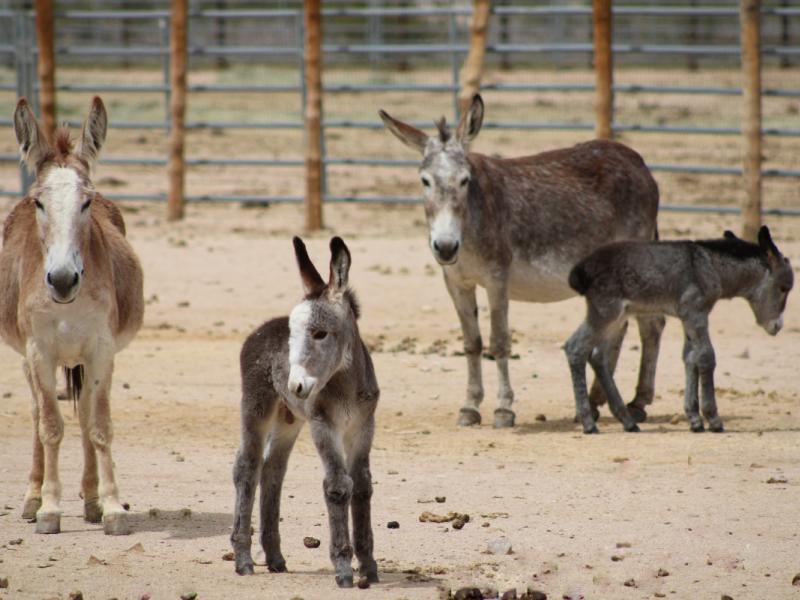
Seymour's Question of the Week
BLM’s mascot, Seymour the Antelope, challenges you to learn more about the life and ecology of your public lands. Check out this week’s question and see if you know the answer.
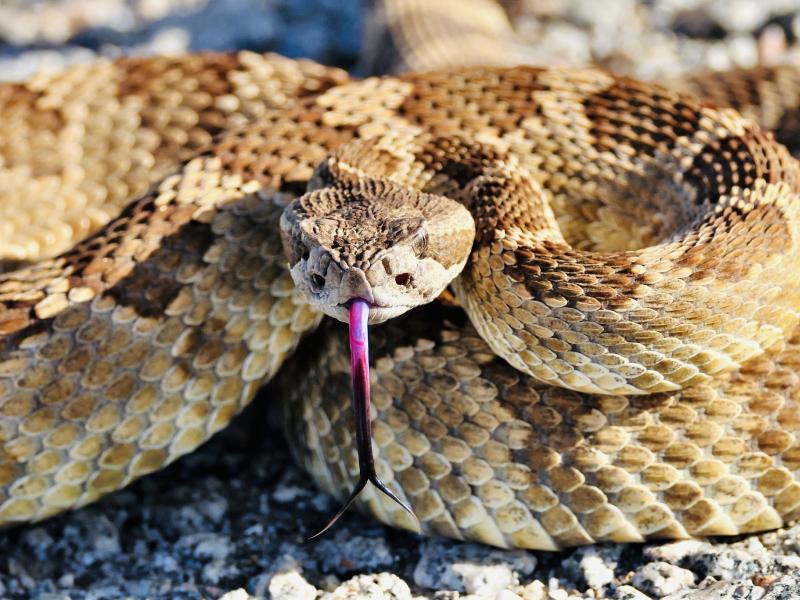
- A To inject venom into prey during a strike
- B To sense heat from warm-blooded animals nearby
- C To collect scent particles from the air and detect prey, predators, and mates
- D To intimidate predators by mimicking the appearance of two separate snakes
Scroll down for the answer!
Ways to Get Involved
Volunteer Camp Hosts Needed for 2026 Season
The BLM is seeking volunteer camp hosts for the 2026 recreation season at North Eagle Lake Campground near Susanville and Pit River Campground near Fall River Mills. Camp hosts live on site, welcome visitors, share local knowledge, and help keep these popular Northern California campgrounds running smoothly. Learn more.
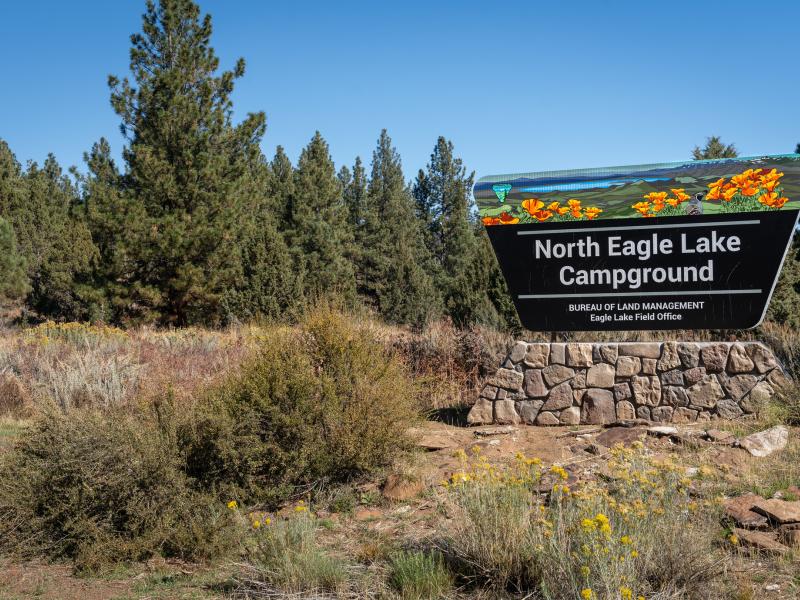
OMSP Refresher Training Opens for EMS Professionals
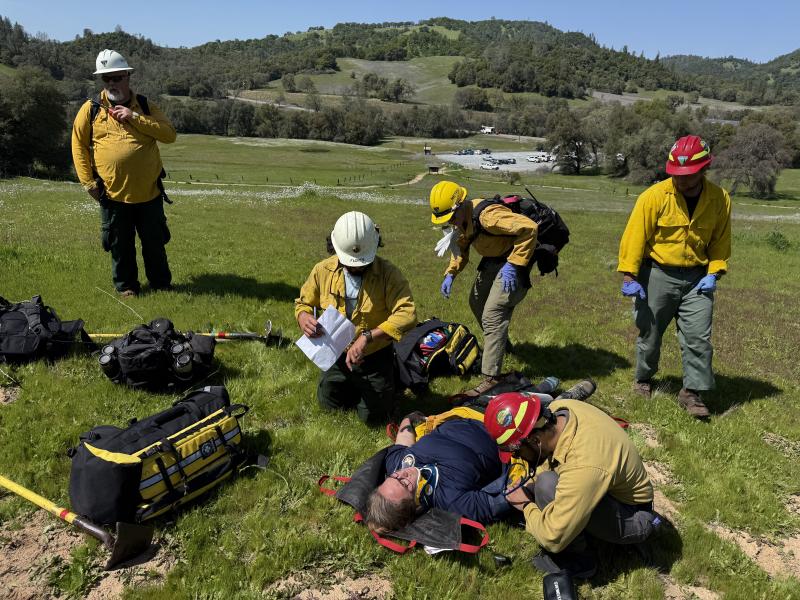
BLM California is hosting an Operational Medical Support Program refresher training April 21–23, 2026, in El Dorado Hills, welcoming both returning providers and new EMS professionals. The training prepares EMRs and EMTs to deliver essential medical support to operational teams working in remote field environments across California. Learn more.
Current USAJOBS Postings for BLM CA:
- USWFS in California: Many Vacancies
- Park Ranger (Temporary): 5 Vacancies
Inside Interior
Explore the latest videos from the U.S. Department of the Interior, featuring stories from across public lands, American energy, conservation efforts, and the people who support them.

Answer to Seymour's Question of the Week
The forked tongue of a Western Rattlesnake has nothing to do with venom or heat — it's actually a highly sophisticated scent-collection tool. Each fork samples the air independently, delivering chemical particles to the Jacobson's organ on the roof of the mouth. The two-pronged reading gives the snake a directional sense of smell, allowing it to track prey and navigate its territory across California's BLM-managed desert scrub and chaparral. Venom is delivered through the fangs, and heat sensing happens through special pit organs located between the eye and nostril — not the tongue. Read more here.
Did you know? A rattlesnake adds a new rattle segment every time it sheds its skin — which can happen 2 to 4 times per year. Rattlesnakes are a vital part of California's BLM ecosystems, keeping rodent populations in check across millions of acres of public land.
Stay Connected with U.S. Department of Interior Bureau of Land Management:
Bureau of Land Management | California State Office
2800 Cottage Way, Suite W1623 Sacramento, CA 95825
916-978-4400


