


BLM issues temporary closure for Grandstaff Campground
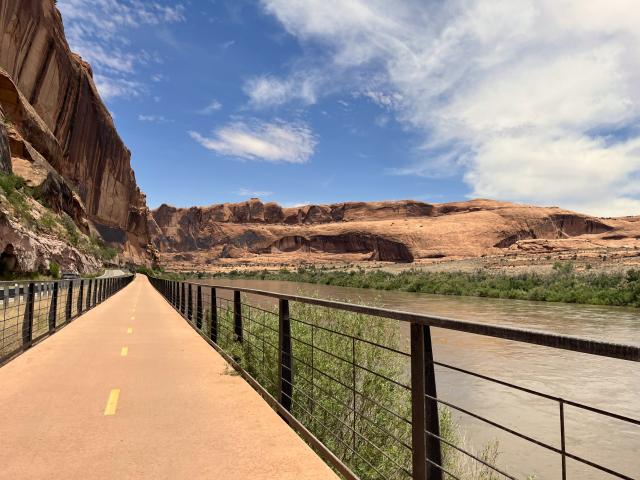
MOAB, Utah — The Moab Field Office will close part of Grandstaff Campground, along State Route 128, or River Road, from March 9 to October 31. Sites one through 10 will remain open. The BLM has partnered with Utah Department of Transportation and Grand County, who was issued an easement by Forestry, Fire and State Lands, to extend the public bike path along SR128, commonly called the River Road. This project involves many partners and is funded through UDOT’s Utah Trails Program and the Outdoor Recreation Initiative.
Access to Grandstaff Canyon Trailhead and the Porcupine Rim parking area will remain open, as will access to the vault toilet nearby. Visitors should consider and plan for time delays during construction. The project will reduce SR128 to one lane, with traffic control beginning March 9, through the end of October. The BLM is closing Grandstaff Campground to visitors to provide a safe and critical area for UDOT and their contractor to stage equipment.
This multi-million-dollar project will not only provide an additional half mile of paved trail, which will extend all the way to Grandstaff Canyon, but will also create a much safer exit for bikers completing the popular mountain bike trail, The Whole Enchilada.
The BLM and our partners remind recreators to be careful of workers in the area while traveling SR 128, which provides access to many recreation opportunities on public lands. Additionally, the BLM understands that this popular campground will be missed by campers however, the improvements to access for public lands via the bike trail will be a welcome asset come fall.
We are excited for the results of this project, which began in 2004, and we appreciate visitors’ patience during construction.
The BLM manages about 245 million acres of public land located primarily in 12 western states, including Alaska, on behalf of the American people. The BLM also administers 700 million acres of sub-surface mineral estate throughout the nation. Our mission is to sustain the health, diversity, and productivity of America’s public lands for the use and enjoyment of present and future generations.