


Interior Boosts Forest Resilience Through Accelerated Timber Salvage and Thinning Projects
Organization:
Media Contact:
WASHINGTON — With extreme wildfire activity exhausting all available federal firefighting resources and the national wildfire system operating at its highest level of readiness, the Department of the Interior has finalized two categorical exclusions under the National Environmental Policy Act to expedite Bureau of Land Management timber salvage and forest thinning projects. These new administrative authorities are designed to bypass bureaucratic delays and immediately expedite critical timber salvage and forest thinning projects.
"The Trump administration is committed to giving our land managers the tools they need to reduce wildfire risk before the next fire starts," said Department of the Interior Deputy Secretary Kate MacGregor. "These categorical exclusions remove unnecessary delays so we can accelerate common-sense forest management projects that reduce hazardous fuels, strengthen forest health and resilience, and better protect firefighters, communities and our public lands from catastrophic wildfire."
Categorical exclusions are categories of actions that have been determined to not typically have significant environmental impacts, eliminating the need to do a full environmental review. Streamlining National Environmental Policy Act compliance through categorical exclusions removes regulatory burdens and speeds up the process, saving time and resources.
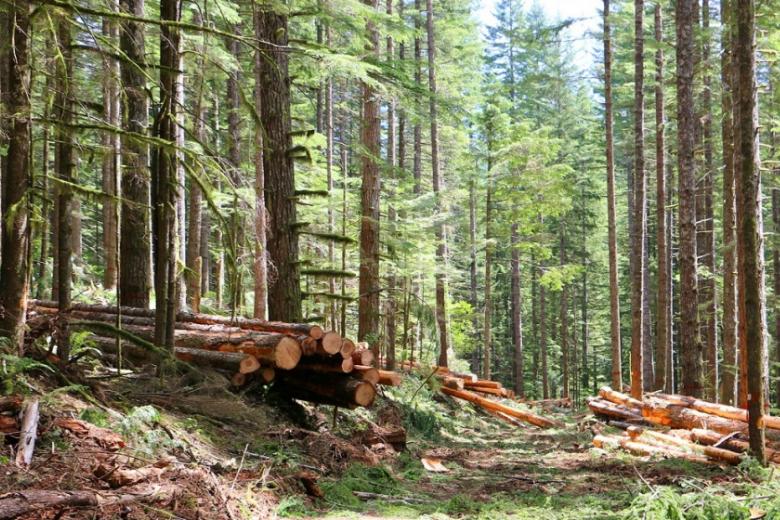
The new exclusions allow the Bureau of Land Management to remove dead, dying and excess trees more quickly and reduce wildfire risk, improve forest health, support landscape rehabilitation post-fire, while strengthening rural economies. They apply to routine salvage and thinning projects of up to 5,000 acres.
Forests across the West have been heavily impacted by years of mismanagement that has led to more destructive wildfires, exacerbated by drought, insects, and disease, leaving millions of acres vulnerable to future wildfires. The previous administration inexplicably stripped timber harvest authorities from the BLM late in 2024. Since 2000, wildfires have burned an average of 7.3 million acres annually, with BLM lands seeing an average of 236,530 acres affected each year. This year alone, wildfires have devastated over 2.7 million acres of BLM-managed lands, and more than 7.4 million acres of all jurisdictions nationwide, underscoring the urgent need for effective forest management and fuels reduction strategies.
The categorical exclusions for timber salvage and forest thinning projects will publish in Federal Register.
The BLM manages about 245 million acres of public land located primarily in 12 western states, including Alaska, on behalf of the American people. The BLM also administers 700 million acres of sub-surface mineral estate throughout the nation. Our mission is to sustain the health, diversity, and productivity of America’s public lands for the use and enjoyment of present and future generations.