


Interior Advances Revisions to Oil and Gas Leasing and Waste Prevention Rules to Support American Energy Dominance
Organization:
Media Contact:
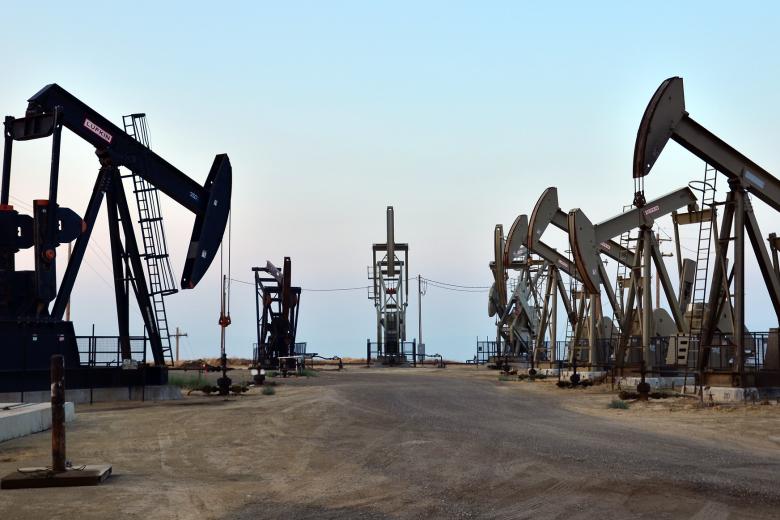
The Department of the Interior today announced two coordinated regulatory actions aimed at modernizing federal onshore oil and gas policy, eliminating unnecessary administrative barriers, and strengthening the nation’s long-term energy leadership. The proposals revise both the Bureau of Land Management’s oil and gas leasing rule and the waste prevention rule, reinforcing the Trump administration’s commitment to responsible development, lower energy costs for families, and the continued expansion of American Energy Dominance.
These rules will advance two key changes for oil and gas development. First, the Department is ending the Biden-era state-wide bonding requirement that raised costs to $500,000 and replacing it with the previous $25,000 standard while gathering public input on a fair long-term approach. Making it so this rule is no longer being weaponized to penalize energy development. Second, updates to the waste prevention rule are expected to cut compliance costs by nearly $17 million annually, reduce red tape, and bring greater transparency for taxpayers.
"Energy Dominance requires regulatory clarity,” said Secretary of the Interior Doug Burgum. “These targeted updates cut through the red tape that has historically deterred investment, ensuring our public lands remain a reliable engine for economic growth and innovation."
The proposed revisions to the oil and gas leasing rule streamline outdated procedures that have slowed development and deterred investment. They update processes in line with Executive Order 14154, “Unleashing American Energy,” and Secretary’s Order 3418, helping improve predictability for operators while maintaining responsible resource management. The rule would:
Authorize noncompetitive leases after competitive auctions.
Remove the expression of interest leasing preference review.
Shorten public participation time frames from 90 days to 10 days
Seek input on current bond amounts.
Modernize filing fees.
Provide replacement lease sales when previous offerings are canceled or delayed.
Limit lease suspension approvals to one year with improved timing requirements.
The revisions to BLM’s waste prevention rule are designed to remove litigation risk, reduce operational uncertainty, and offer clear, objective standards. The proposed rule would:
Eliminate requirements for waste minimization plans and self‑certification statements with applications for permit to drill.
Replace subjective sundry-notice evaluations with defined royalty standards.
Establish firm definitions for avoidable and unavoidable losses, authorized venting and flaring, emergencies, and measurement standards.
Consolidating updates into a single rulemaking provides greater clarity for operators and supports the Administration’s goal of efficient, responsible energy production. The rule will be renamed “Royalty for Oil and Gas Lost from Onshore Federal and Indian Leases.”
Together, these regulatory steps reflect a broader strategy, supported by the Working Families Tax Cuts Act, Secretary’s Order 3418, and Executive Order 14154, to eliminate unnecessary obstacles to domestic energy production, modernize resource management, and strengthen the nation’s long-term energy resilience. These reforms will further accelerate development, enhance clarity for operators, expand economic opportunity, and reinforce the nation’s enduring commitment to responsible stewardship and American energy leadership.
The publication of Federal Register notices for each proposed rule will open a 60‑day public comment period.
The BLM manages about 245 million acres of public land located primarily in 12 western states, including Alaska, on behalf of the American people. The BLM also administers 700 million acres of sub-surface mineral estate throughout the nation. Our mission is to sustain the health, diversity, and productivity of America’s public lands for the use and enjoyment of present and future generations.