


BLM Timber Sales Generate Nearly $30 Million, Support American Jobs in Third Quarter
Organization:
Media Contact:
WASHINGTON – The Bureau of Land Management generated $29.8 million in revenue from timber sales during the third quarter of 2026, supporting American jobs and increasing domestic timber supply.
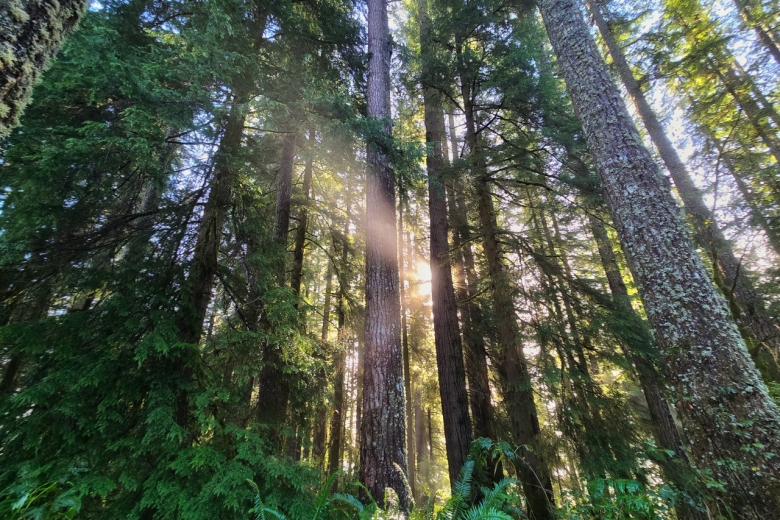
During July, August, and September, the BLM sold about 121 million board feet of timber across 5,300 acres in Oregon, Washington, Wyoming, and Idaho. That amount of lumber is enough to build about 7,600 homes. The sales support local economies with well-paying jobs in logging, milling, and construction.
“I’ve met the people whose livelihoods depend on this work, from foresters in the woods to employees at local mills,” said BLM Director Steve Pearce. “These timber sales have a real impact in rural communities, and that’s something that goes well beyond the numbers in a quarterly report.”
The BLM plans to hold nine timber sales in October 2026 to offer about 46 million board feet of timber across more than 1,200 acres.
More information about BLM’s timber plans and results can be found at the BLM Timber Sale Page.
The BLM manages 58 million acres of forests—including 2.4 million acres in western Oregon. The bureau is committed to supplying a reliable, secure, and resilient domestic supply of timber. BLM forestry supports economic security, reduces risks from wildfire, conserves fish and wildlife habitat, and decreases costs of energy production. Local communities rely on jobs that come from BLM forests, and timber from public land feeds local industry.
More than 20% of BLM-managed lands are forest and woodland ecosystems. The BLM ensures the health and resilience of these public forest lands as well as the availability of traditional forest products, such as timber.
The BLM manages about 245 million acres of public land located primarily in 12 western states, including Alaska, on behalf of the American people. The BLM also administers 700 million acres of sub-surface mineral estate throughout the nation. Our mission is to sustain the health, diversity, and productivity of America’s public lands for the use and enjoyment of present and future generations.