


BLM Streamlines Winter Exploration in Alaska’s National Petroleum Reserve
Organization:
Media Contact:
ANCHORAGE, Alaska — Today, the Bureau of Land Management established a categorical exclusion to improve predictability and reduce burdens for companies seeking permits for wintertime oil and gas exploration in the National Petroleum Reserve in Alaska. This action enables important winter exploration projects—such as exploratory seismic surveys, exploration wells, and plugging and abandonment— to move forward efficiently, advancing American Energy Dominance and national security.
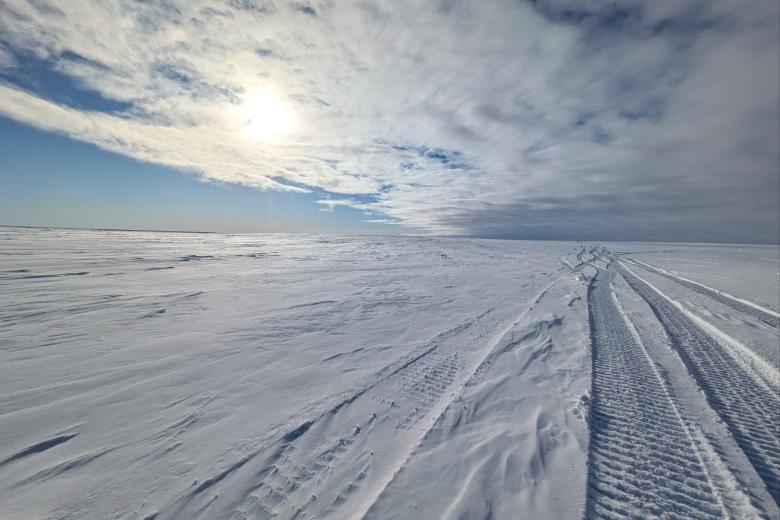
The BLM developed this categorical exclusion after analyzing the dozens of previous environmental assessments the agency has conducted for wintertime exploration in the Petroleum Reserve. Those analyses show that those exploration activities result in no significant impacts on human health or the environment when conducted under established operating procedures and mitigation measures. Wintertime exploration relies on temporary ice roads, ice pads, and snow routes where the only potential sign of exploration after the snow melts is generally the well-head, if drilled.
“The BLM has decades of experience analyzing the effects of exploration in the Petroleum Reserve and permitting responsible exploration,” said BLM Alaska State Director Kevin Pendergast. “This categorical exclusion builds on that record to allow developers to more nimbly locate energy resources in the Petroleum Reserve, ultimately increasing domestic energy supply, leading to stable energy costs and more revenue for Alaskan communities and the American public.”
Categorical exclusions are categories of actions that have been determined to not typically result in significant environmental impacts, eliminating the need conduct a full environmental review. Streamlining National Environmental Policy Act compliance through categorical exclusions removes regulatory burdens and speeds up the process, saving time, and resources.
Before relying on a categorical exclusion for a proposed project, an agency must verify that there are no extraordinary circumstances, such as potential impacts to endangered species or cultural resources, that may result in the project having any significant environmental effects.
This new categorical exclusion supports the goals of Executive Order 14153, “Unleashing Alaska’s Extraordinary Resource Potential,” Executive Order 14154, “Unleashing American Energy,” and the Working Families Tax Cuts Act. The action builds on the BLM’s extensive work to improve regulatory certainty in the Petroleum Reserve, including rescission of the 2024 rule that restricted leasing and development in the Petroleum Reserve and reopening nearly 82% of the area to oil and gas leasing through an updated Integrated Activity Plan. It also complements BLM’s ongoing work to streamline permitting for qualifying production sites in the area.
About 3.5 million acres are currently leased in the Petroleum Reserve following the historic lease sale held in March 2026. That sale resulted in 187 tracts receiving bids and $163,696,722 in total receipts, generating the most revenue ever, the most tracts receiving bids and the second most acreage sold in a single sale for the area.
The BLM manages about 245 million acres of public land located primarily in 12 western states, including Alaska, on behalf of the American people. The BLM also administers 700 million acres of sub-surface mineral estate throughout the nation. Our mission is to sustain the health, diversity, and productivity of America’s public lands for the use and enjoyment of present and future generations.