


BLM reminds public lands visitors to be Bear Aware as spring and summer bear activity increases
Organization:
Media Contact:
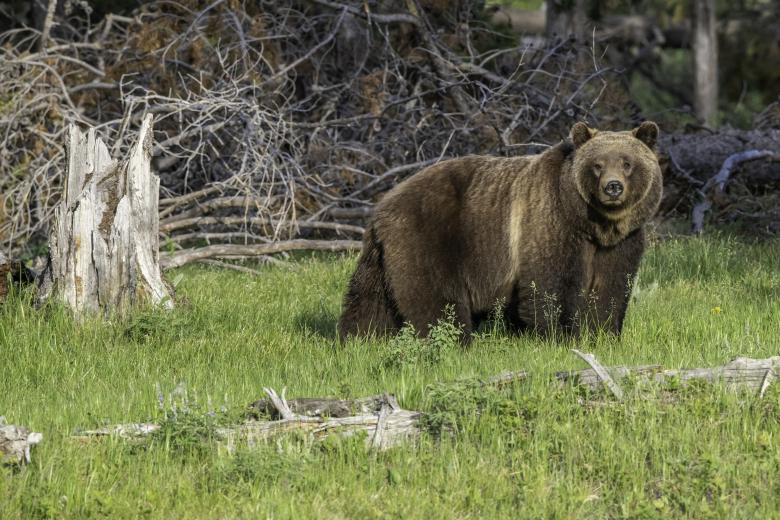
WASHINGTON — The Bureau of Land Management is reminding visitors to take extra precautions in bear country after recent bear incidents in several national parks.
Spring and early summer are periods of increased bear activity. Bears may be moving through habitat, searching for food or protecting cubs. Public lands visitors can reduce the chance of a dangerous encounter by staying alert, hiking in groups, making noise in low-visibility areas, storing food and trash properly and never approaching bears.
“Public lands managed by the BLM are wild places, and wildlife safety is visitor safety,” said BLM Acting Director Bill Groffy. “Simple actions, like giving bears space, securing food and knowing what to do before you enter bear country, can protect visitors and bears.”
Core safety reminders include:
- Never approach a bear
- Stay alert and avoid headphones on trails
- Hike in groups when possible
- Make noise near streams, dense vegetation and blind corners
- Store food, trash and scented items properly
- Carry bear spray where recommended and allowed
- Never run from a bear
- Remember: Bear deterrents like spray and firearms are tools, not substitutes for common sense
If you encounter a bear, stay calm, speak in a steady voice, back away slowly and do not make sudden movements. Visitors should report bear encounters to BLM field offices as soon as it is safe to do so.
The BLM manages about 245 million acres of public land located primarily in 12 western states, including Alaska, on behalf of the American people. The BLM also administers 700 million acres of sub-surface mineral estate throughout the nation. Our mission is to sustain the health, diversity, and productivity of America’s public lands for the use and enjoyment of present and future generations.