


Western snowy plover nesting season begins
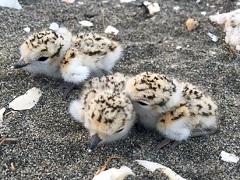
NORTH BEND, Ore.—The nesting season for the western snowy plover begins on southern Oregon beaches Sunday. In accordance with government regulations, the Bureau of Land Management is initiating seasonal access restrictions through September 15 on known habitat areas to protect this federally threatened species.
The western snowy plover is a small shorebird that lays its eggs and raises its young in the open, dry sand. During the seasonal restrictions, only the wet sand on beaches within designated areas on the North Spit of Coos Bay and the New River/Floras Lake area, south of Bandon, are open to visitors. The BLM closes the dry sand so the plovers can nest undisturbed.
The U.S. Fish and Wildlife Service listed the Pacific coast population of the western snowy plover as threatened in 1993. The primary threats to snowy plover survival are habitat loss, urban development, European beachgrass growth, and predators, such as crows, ravens, foxes, and skunks. The population has increased dramatically in the last 30 years thanks to management efforts and the cooperation of the beach-going public.
For additional information visit blm.gov or call the Coos Bay District Office at 541-756-0100.
The BLM manages about 245 million acres of public land located primarily in 12 western states, including Alaska, on behalf of the American people. The BLM also administers 700 million acres of sub-surface mineral estate throughout the nation. Our mission is to sustain the health, diversity, and productivity of America’s public lands for the use and enjoyment of present and future generations.