


New off-grid kiosks bring modern payment options to Madison River campgrounds
DILLON, Mont. — The Bureau of Land Management is now accepting credit card payments at all six campgrounds along the Madison River corridor, improving convenience for visitors while modernizing and streamlining fee collection across the sites.
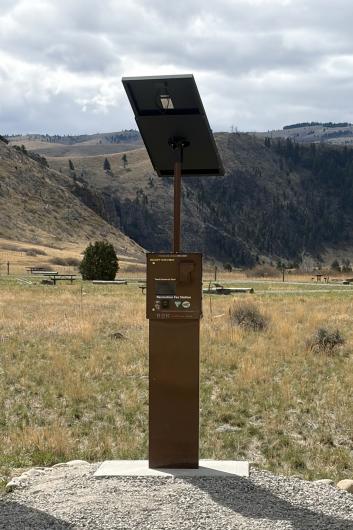
In addition to cash and check, the following campgrounds now feature remote kiosks that accept major credit cards for campsite and extra vehicle fees: Palisades, Ruby Creek, Trapper Springs, Bear Trap Road North, and Bear Trap Road South. Red Mountain Campground fees can be paid at one of three Remote Off-Grid Kiosks located along the lower Madison River.
“By offering credit card payments at these kiosks, we’re making it easier for visitors to access and enjoy public lands,” said Amanda James, Dillon Field Manager.
These upgrades support a more seamless visitor experience while maintaining the remote character of the Madison River corridor. Powered by solar energy and designed for off-grid use, the kiosks provide reliable service in remote locations and improve the overall efficiency and convenience of fee collection in the field.
The project is supported through a partnership with the Public Lands Foundation, which works closely with the BLM on issues and opportunities with the goal of keeping public lands open to responsible use. The fee revenue directly supports the future maintenance and operation of BLM recreation sites in the region.
For more information, contact the BLM’s Dillon Field Office at 406-683-8000
The BLM manages about 245 million acres of public land located primarily in 12 western states, including Alaska, on behalf of the American people. The BLM also administers 700 million acres of sub-surface mineral estate throughout the nation. Our mission is to sustain the health, diversity, and productivity of America’s public lands for the use and enjoyment of present and future generations.