


Celebrate Safely This Fourth of July on Wyoming's Public Lands
CHEYENNE, Wyo. — As Americans celebrate 250 years of freedom this Independence Day, the Bureau of Land Management and U.S. Wildland Fire Service encourage visitors to enjoy Wyoming's public lands safely and responsibly while helping prevent human-caused wildfires.
The Fourth of July is one of the busiest outdoor recreation weekends of the year, with families and friends gathering to camp, hike, fish, ride, and explore Wyoming's wide-open spaces. Visitors are encouraged to recreate responsibly and be aware of fire conditions before heading outdoors.
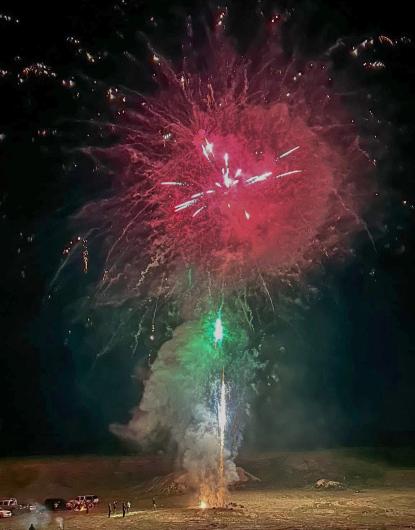
Before your trip, check for local fire restrictions, weather conditions, and public safety closures. While fireworks are prohibited on BLM-managed public lands statewide, the BLM Worland Field Office has announced a limited exception for a designated fireworks site northwest of Worland July 3–5 in partnership with local agencies. Learn more on our website.
Tips to help prevent wildfires this holiday weekend:
- Never leave a campfire unattended and ensure it is completely extinguished before leaving.
- Secure trailer safety chains to prevent sparks.
- Avoid parking or driving over dry grass and vegetation.
- Keep vehicles properly maintained and free of dragging parts.
- Carry a shovel, water, or fire extinguisher when recreating outdoors.
- Exploding targets and tracer ammunition are prohibited on all BLM-managed lands in Wyoming under year-round fire prevention restrictions.
- Fireworks are prohibited on public lands managed by the Bureau of Land Management in Wyoming.
For the most up to date fire conditions and restrictions, visit BLM Wyoming's web page at https://www.blm.gov/programs/public-safety-and-fire/wyoming/fire.
The BLM manages about 245 million acres of public land located primarily in 12 western states, including Alaska, on behalf of the American people. The BLM also administers 700 million acres of sub-surface mineral estate throughout the nation. Our mission is to sustain the health, diversity, and productivity of America’s public lands for the use and enjoyment of present and future generations.