


BLM Approves Project to Reduce Wildfire Risk Near Pit River XL Reservation
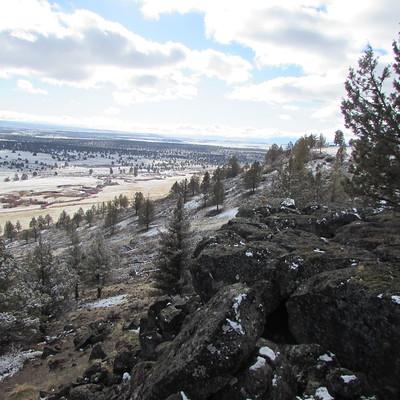
ALTURAS, Calif. – The Bureau of Land Management has approved a project to reduce wildfire risk near the Pit River XL Reservation in Modoc County, where approximately 150 Tribal members reside. The project will remove encroaching juniper trees from 104 acres of public land, reducing surface fuels and improving the landscape’s resilience while restoring habitat for pronghorn and mule deer.
The XL Pronghorn Habitat Improvement Project will be implemented by the BLM’s Applegate Field Office in partnership with the Pit River Tribe and the U.S. Department of Agriculture’s Natural Resources Conservation Service. In addition to improving wildlife habitat and migration connectivity for pronghorn, the project aims to reduce wildfire risk within the wildland-urban interface and adjacent to the reservation.
“By reducing juniper encroachment, we can help lower hazardous fuel loads, improve habitat for pronghorn and mule deer, and support a healthier, more resilient landscape. Working collaboratively with the Pit River Tribe is an important part of these efforts,” said Kevin Kunkel for the Applegate Field Office.
Juniper expansion can alter the ecological health of rangelands and increase the amount of woody fuel on the landscape. Under the project, crews will reduce juniper canopy cover by at least 75 percent and post-treatment surface fuels by at least 50 percent within designated treatment areas.
Work is scheduled to begin in fall 2026 and continue through fall 2029. Crews will use hand treatments, including cutting and piling juniper trees, as well as mechanical methods to reduce tree cover. BLM fire personnel will burn the resulting piles during fall or winter from 2027 through 2029. Designated archaeological sites will be excluded from treatment activities to avoid potential impacts.
The project is also designed to improve habitat for pronghorn and mule deer and support connectivity for pronghorn migrating through the area.
The BLM and the Pit River Tribe will coordinate to manage livestock grazing and monitor resource conditions throughout project implementation. Grazing management measures will be used as needed to support vegetation recovery and help achieve the BLM’s and Tribe’s shared habitat improvement goals.
The BLM plans to maintain treated areas within 10 years of the initial work by removing young juniper trees missed during the original treatment and addressing regrowth from stumps.
Designated treatment areas will provide opportunities for Tribal members to collect fuelwood, subject to applicable BLM requirements. The project reflects ongoing coordination with the Pit River Tribe and supports the BLM's commitment to maintaining strong government-to-government relationships with Tribal Nations.
The BLM’s Applegate Field Office approved the project under categorical exclusion DOI-BLM-CA-N020-2026-0032-CE. More information is available on the BLM’s XL Pronghorn Habitat Improvement Project page. Contact the BLM Applegate Field Office at 530-279-6101 for more information.
The BLM manages about 245 million acres of public land located primarily in 12 western states, including Alaska, on behalf of the American people. The BLM also administers 700 million acres of sub-surface mineral estate throughout the nation. Our mission is to sustain the health, diversity, and productivity of America’s public lands for the use and enjoyment of present and future generations.